Key takeaways
- A pointed dripstone with a lava source two blocks above it and a cauldron below slowly fills the cauldron with lava.
- The rate is roughly one cauldron every 20 minutes, which is slow but completely automatic and genuinely infinite.
- It is the only renewable lava source in the game, which makes it the answer to furnace fuel forever.
Lava is not renewable. You mine it from the Nether or from deep caves, you carry it home one bucket at a time, and when you run out you go back. That has been true since the beginning and almost every furnace array in Minecraft is ultimately limited by it.
Except it is not true anymore, and has not been since dripstone arrived. A pointed dripstone under a lava source drips lava into a cauldron, and the lava source is not consumed. It is slow enough that most players dismiss it, and infinite enough that dismissing it is a mistake.
The mechanic
The setup is three blocks tall and needs nothing else:
- A lava source block at the top.
- A dripstone block directly beneath it.
- A pointed dripstone hanging from that dripstone block, pointing down.
- A cauldron directly below the pointed dripstone, with air between them.
Lava drips from the tip and the cauldron slowly fills. Once full, a bucket collects it, and the process starts again. The lava source above is never consumed.
Three rules bound it:
- The cauldron must be directly below the tip, and the gap between can be up to about 10 blocks.
- The source block must be lava, not flowing lava.
- Only one pointed dripstone per cauldron matters – stacking more above does not speed it up.
The same mechanic works with water, which gives you a water source where placing one is awkward. Water is already infinite though, so the lava case is the one that matters.
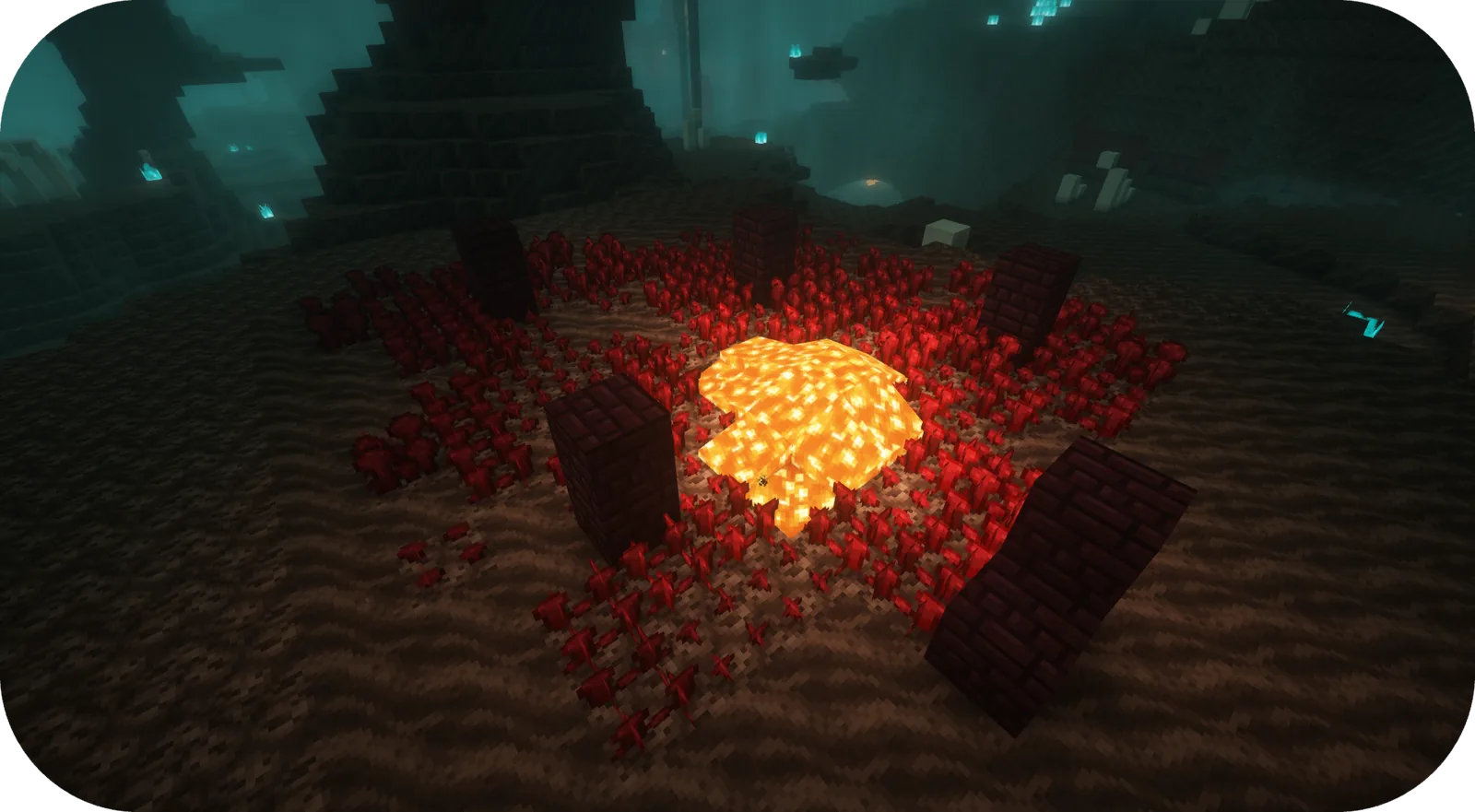
The rate, and why it is still worth it
Roughly one full cauldron per 20 real-world minutes per dripstone. That is one lava bucket every 20 minutes from each unit.
Stated like that it sounds useless. In practice it is not, for one reason: it runs while you are doing something else. A bank of ten dripstone units in the wall of your base produces ten buckets of lava every twenty minutes with zero attention, and lava is the best furnace fuel in the game at 100 items smelted per bucket.
Compare the alternatives:
- Coal: 8 items per piece.
- Charcoal: 8 items per piece, renewable via tree farm.
- Coal block: 80 items.
- Lava bucket: 100 items, and it returns the bucket.
- Dried kelp block: 20 items, renewable and automatable.
Our smelting fuel guide has the full table. The lava bucket is the most efficient single fuel item, and dripstone makes it the only one that is both the most efficient and infinite.
Building a bank
The design scales horizontally. Each unit is a 1×3 column, and they can sit directly beside each other.
A practical ten-unit bank:
- Dig a trench three blocks deep and ten long.
- Place ten cauldrons along the floor.
- Two blocks above each, a dripstone block with a pointed dripstone under it.
- Above each dripstone block, a lava source. Ten buckets of lava, placed once.
- Enclose the lava with a non-flammable block and leave access to the cauldrons.
Ten buckets of lava in gets you infinite lava out. That is the whole investment, and it is a one-time Nether trip. Our Nether base guide covers gathering it safely.
Two build notes. Use a non-flammable floor – the lava is contained but any accident near a wooden base is expensive. And leave a walkway, because emptying ten cauldrons means standing at each one.

Automating the collection
The manual version requires you to walk the row with an empty bucket. The automated version is more interesting and uses a mechanic most players do not know.
A dispenser containing an empty bucket, pointed at a full cauldron, will fill the bucket. A comparator reading the cauldron outputs a signal based on fill level, which can trigger the dispenser when the cauldron is full.
Chain that into a hopper line and you have a fully automatic lava farm that deposits filled buckets into a chest. It needs a bucket per cycle to be returned to the dispenser, which a second hopper handles.
This is a genuinely fiddly build and it is worth saying plainly that most players should not bother – walking the row takes thirty seconds. Our comparator guide covers the cauldron reading if you want to try it, and our item sorter guide covers the hopper side.
Finding dripstone
Dripstone caves are a biome and they are common. Pointed dripstone generates there in large quantities on both floor and ceiling, and dripstone blocks make up the surrounding stone.
Two collection notes:
- Pointed dripstone breaks if the block supporting it is removed, so mine the pointed stalactites themselves rather than the ceiling.
- Pointed dripstone can be grown – a dripstone block with water above it will slowly extend a stalactite – but it is far faster to just mine a cave.
Our cave mining guide covers finding the biome, and our ore distribution guide covers the depths where it generates.
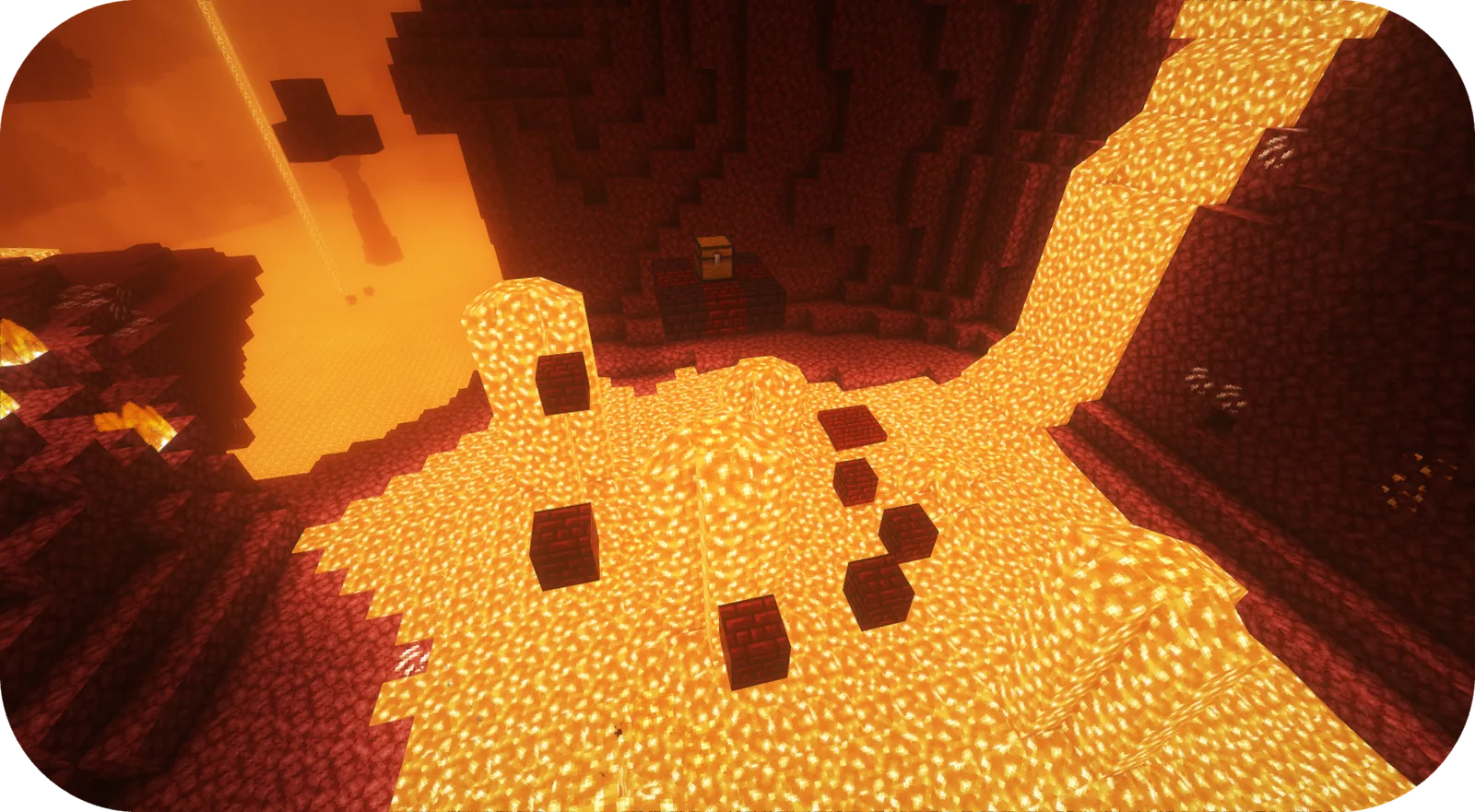
The other thing dripstone does
Worth knowing because it is the same block in a different configuration. A pointed dripstone with its tip facing down deals extra damage to anything that falls onto it, and a stalactite dropped from above by breaking its support deals damage to whatever is below.
That makes dripstone a mob damage source with no redstone and no fuel – a floor of upward-pointing dripstone under a mob drop is a kill chamber that costs nothing. Our iron farm guide covers where a passive damage floor beats the alternatives, and the fall damage multiplier means the drop height needed is lower than for a plain stone floor.
Images: Formations Nether project gallery.