Key takeaways
- Caves expose more stone surface than any tunnel you can dig, which is why they produce more ore per minute.
- Most cave deaths are navigation failures, not combat failures. Marking your route matters more than your armour.
- Light level rules changed with the addition of light-blocking behaviour for some blocks, so lighting a cave fully takes more torches than it used to.
Since the caves and cliffs generation arrived, the underground is enormous, vertical and genuinely disorienting. It is also where the ore is. Learning to work it systematically is the single biggest upgrade to a survival world’s resource income.
Why caves beat tunnels
Ore generates in stone. A one-by-two tunnel exposes two faces of stone per block travelled. A cave exposes its entire wall, ceiling and floor at once. Even accounting for the time spent navigating, a lit cave system yields more per hour than any branch mining pattern, and the deep ones intersect the diamond bands naturally.
The exception is when you want one specific resource and nothing else. Branch mining at a fixed depth gives predictable results, and predictability has value when you need exactly sixteen diamonds and nothing else.
The lighting routine
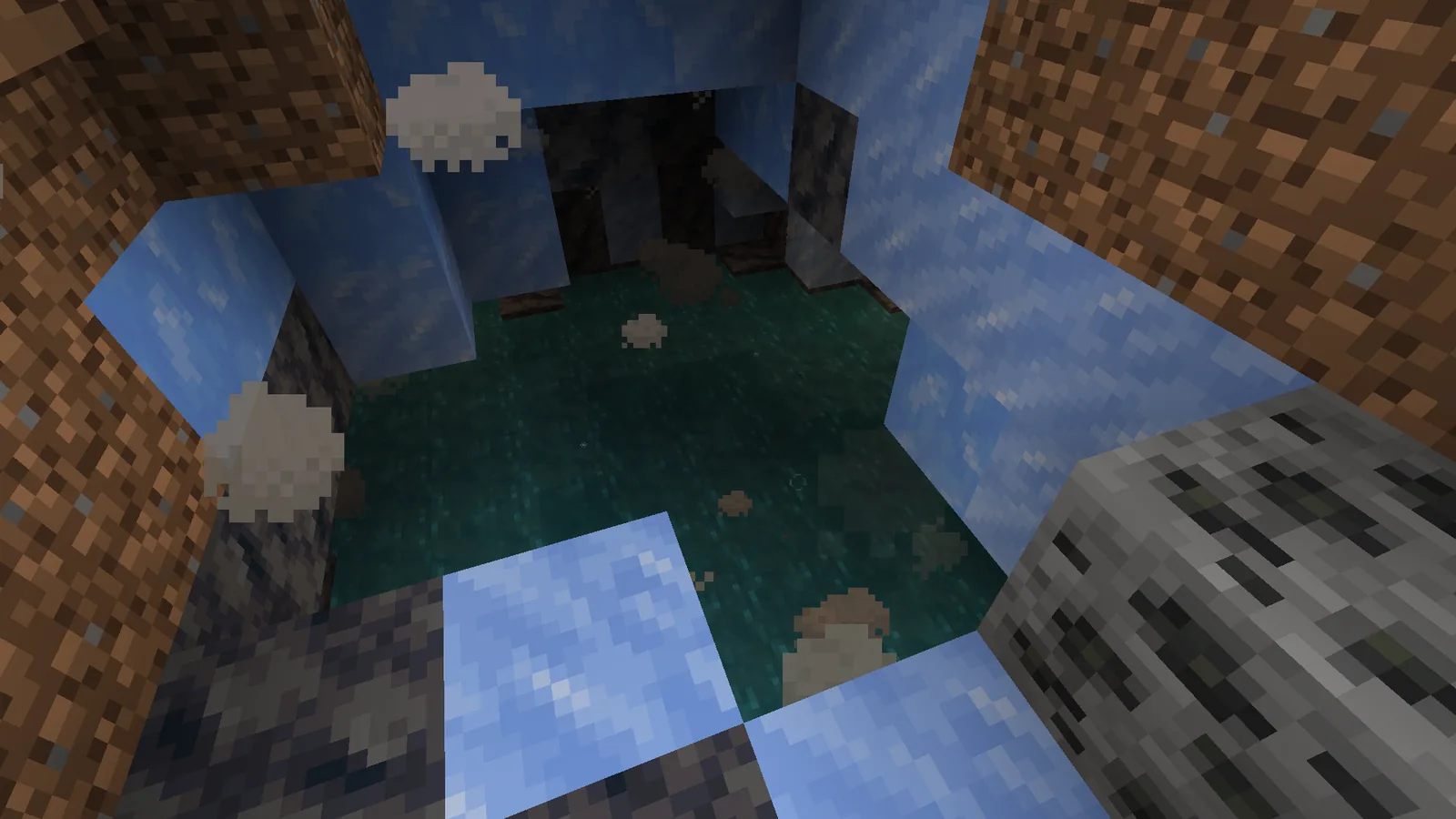
Light one wall, consistently. Pick the left wall and place every torch on it as you go in. On the way out, the torches are on your right. That single convention turns a maze into a marked trail and costs nothing.
Place torches at eye level rather than on the floor where possible. Floor torches vanish behind terrain as you look ahead, and the whole point is being able to see the trail from a distance.
Marking junctions
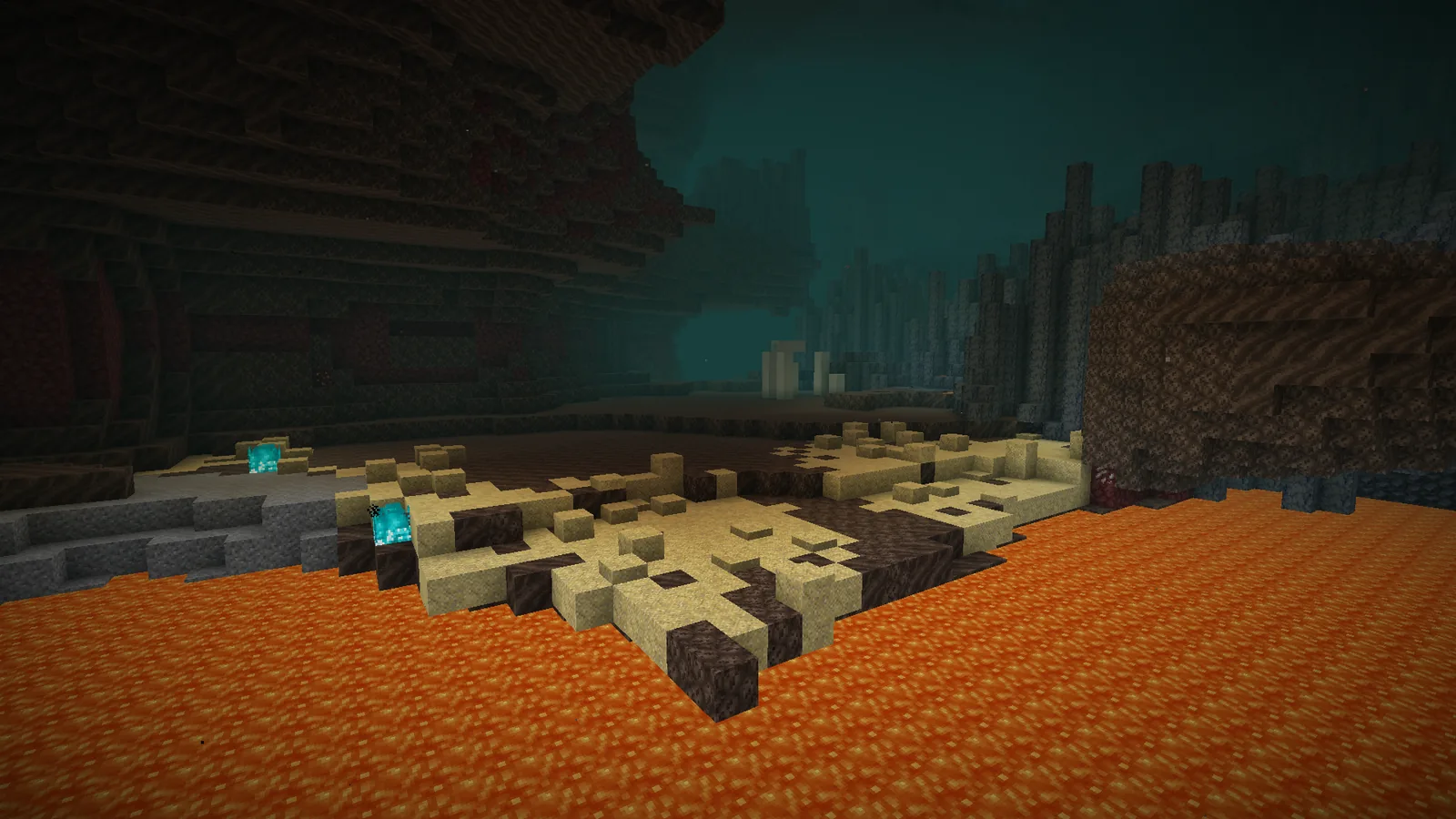
Torches mark the path. Junctions need something stronger. A block of a material that does not occur naturally down there – a stack of planks, a pillar of cobblestone in a deepslate cave – reads instantly as artificial. Some players use signs with arrows, which works and costs more time.
The simplest exit insurance is a water bucket and a stack of ladders. If you know roughly which direction is up, you can dig a shaft and climb out rather than retracing an hour of tunnels.
Combat in a cave is a lighting problem
Mobs spawn in dark blocks. A cave you have lit properly stops producing them almost entirely, which means the fight you are having is usually with mobs that wandered in from the unlit part. Pushing forward into darkness while fighting is how players get surrounded.
The disciplined version is boring and effective: clear, light, advance. Never fight in a space you have not lit. A creeper explosion in an unlit cave takes the floor out from under you and drops you somewhere worse.
Our view is that the biggest change since the generation overhaul is psychological rather than mechanical. The old caves were small enough to clear opportunistically. The new ones are large enough that they need to be treated as projects, and players who kept the old habits are the ones who keep dying in them.
Where the ore actually is
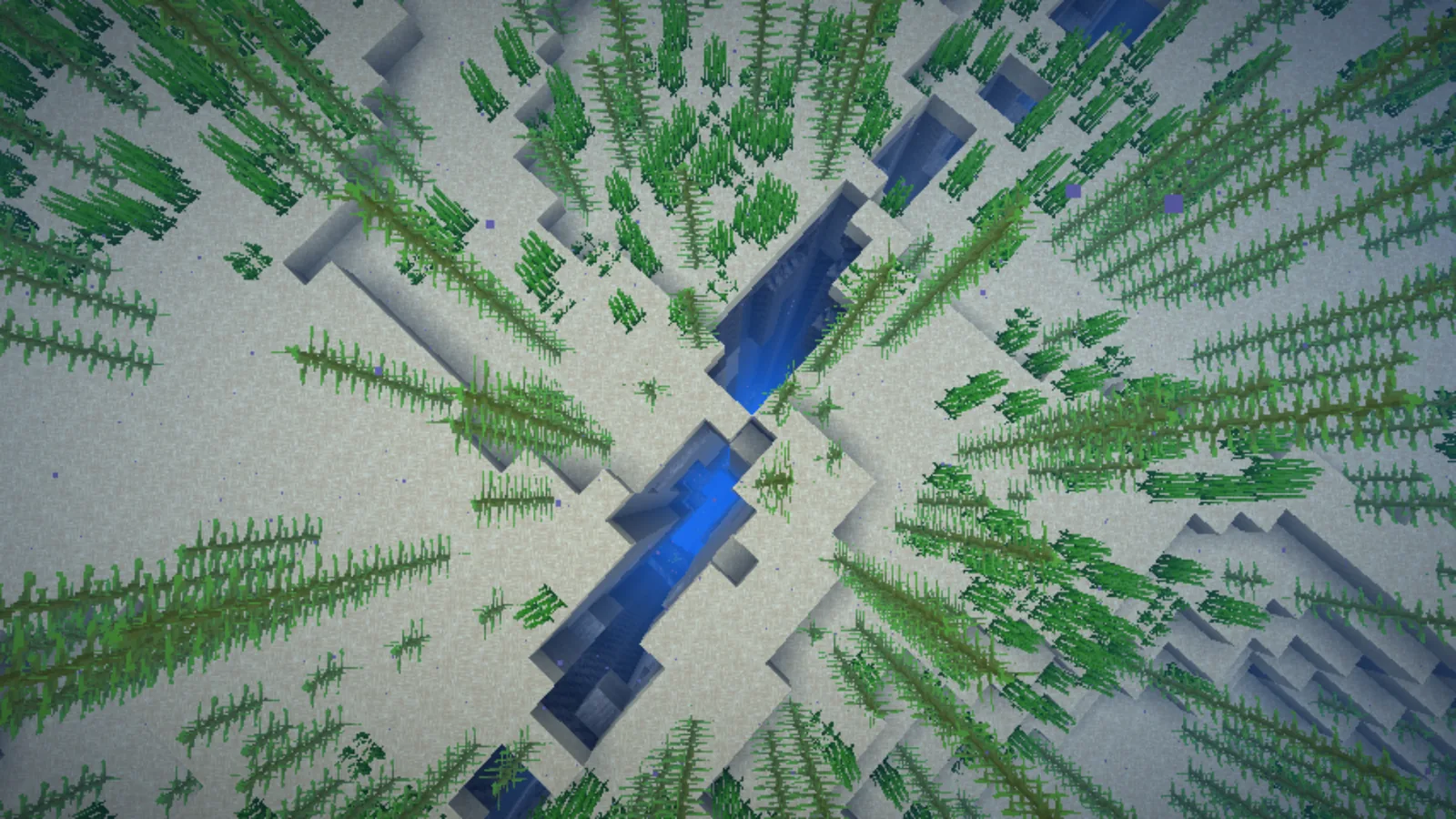
Ore distribution changed at the same time as cave size, and the depths that used to be correct no longer are. That is covered in detail in the ore distribution guide, which is the companion piece to this one.
Equipment for a long trip
Two pickaxes, a shovel, a sword, torches by the stack, food, a water bucket, blocks for bridging, and an ender chest if you have one. The water bucket is the most important item on that list – it handles lava, fall damage, and creates an escape route by pillaring down safely.
Leave the good armour at home for the first pass if you are exploring an unknown system. Come back with it once the route is lit.
Lava, and the rule that prevents most deaths
Never dig straight down and never dig straight into an unlit wall at low Y levels. Both lead to the same outcome. Mining at an angle, or in a two-block staircase, costs marginally more time and removes the single largest cause of lost inventories.
What to do with a large system
Treat it as a project across several sessions. Light the main artery first, mark the junctions, and clear side branches one at a time from the lit trunk. A fully lit cave system near a base becomes permanent infrastructure – a safe route through the underground that never spawns mobs again.
The payoff compounds. A lit system is also a safe travel corridor and a place to build a base extension, and neither of those is available from a branch mine.
Session structure
Treat a cave trip as ninety minutes: thirty to light the main route, forty to work the branches, twenty to get out with the loot. Setting an end point before you start is what prevents the classic failure – being deep, overloaded, out of torches and unwilling to leave.
Images: Spelunkery project gallery on Modrinth.