Key takeaways
- Jungle temples contain two chests, a tripwire trap, a lever puzzle and a dispenser full of arrows – the only structure with all four.
- They generate only in jungle biomes, which are themselves uncommon, making this one of the harder structures to find by exploration.
- The real value of a jungle spawn is not the temple but the biome – cocoa beans, melons, bamboo, parrots and ocelots exist almost nowhere else.
Jungle temples are the most elaborate small structure in Minecraft and one of the least rewarding. Two chests, a trap that kills you if you walk in carelessly, and a lever puzzle that opens a room most players just break into from the side. The loot is unremarkable.
That makes “jungle temple seeds” a slightly misleading thing to search for, because the temple is the landmark and the biome is the prize. This guide covers what the temple actually contains, why the jungle around it matters more, and how to judge a jungle spawn.
What is in a temple
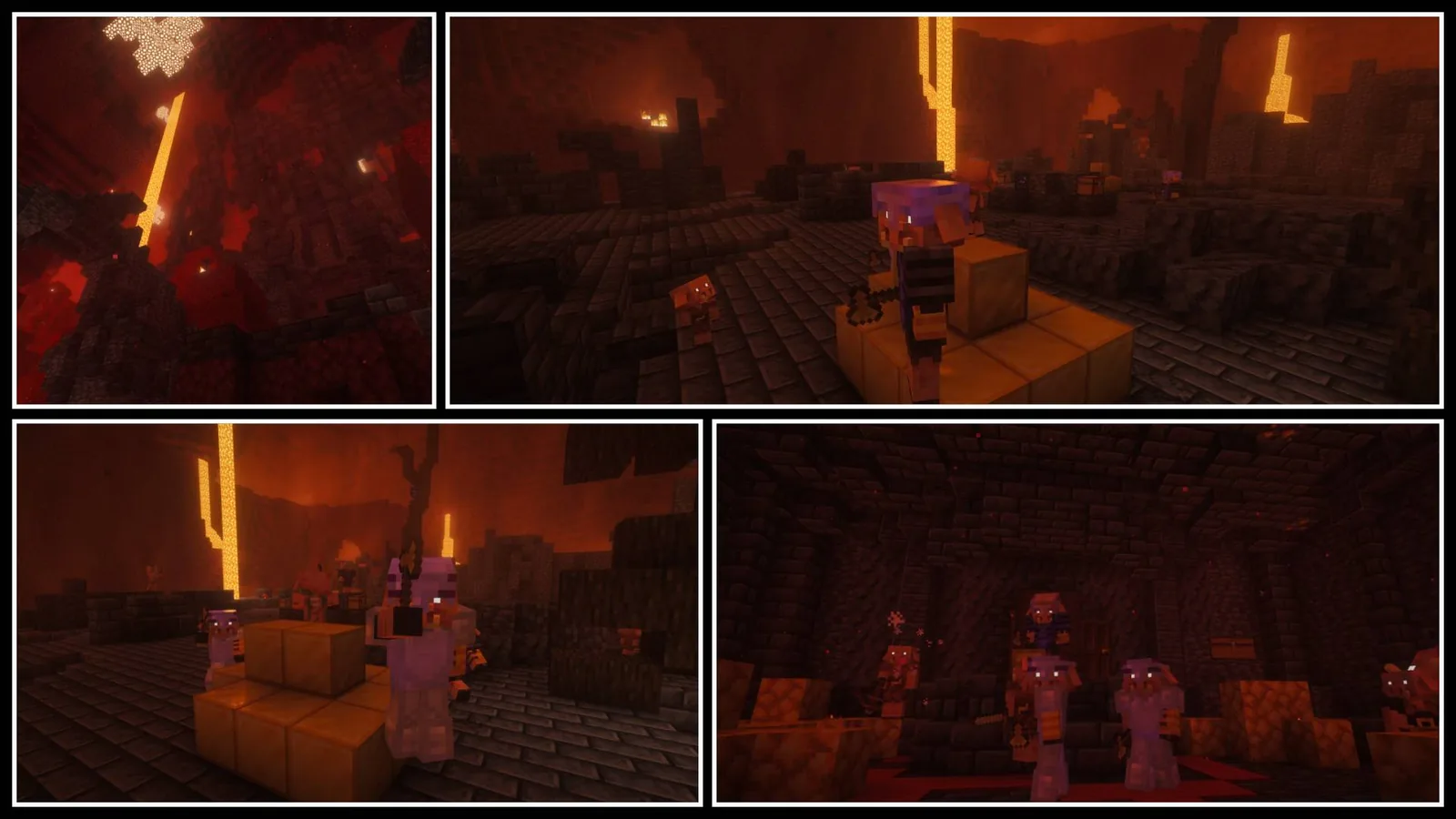
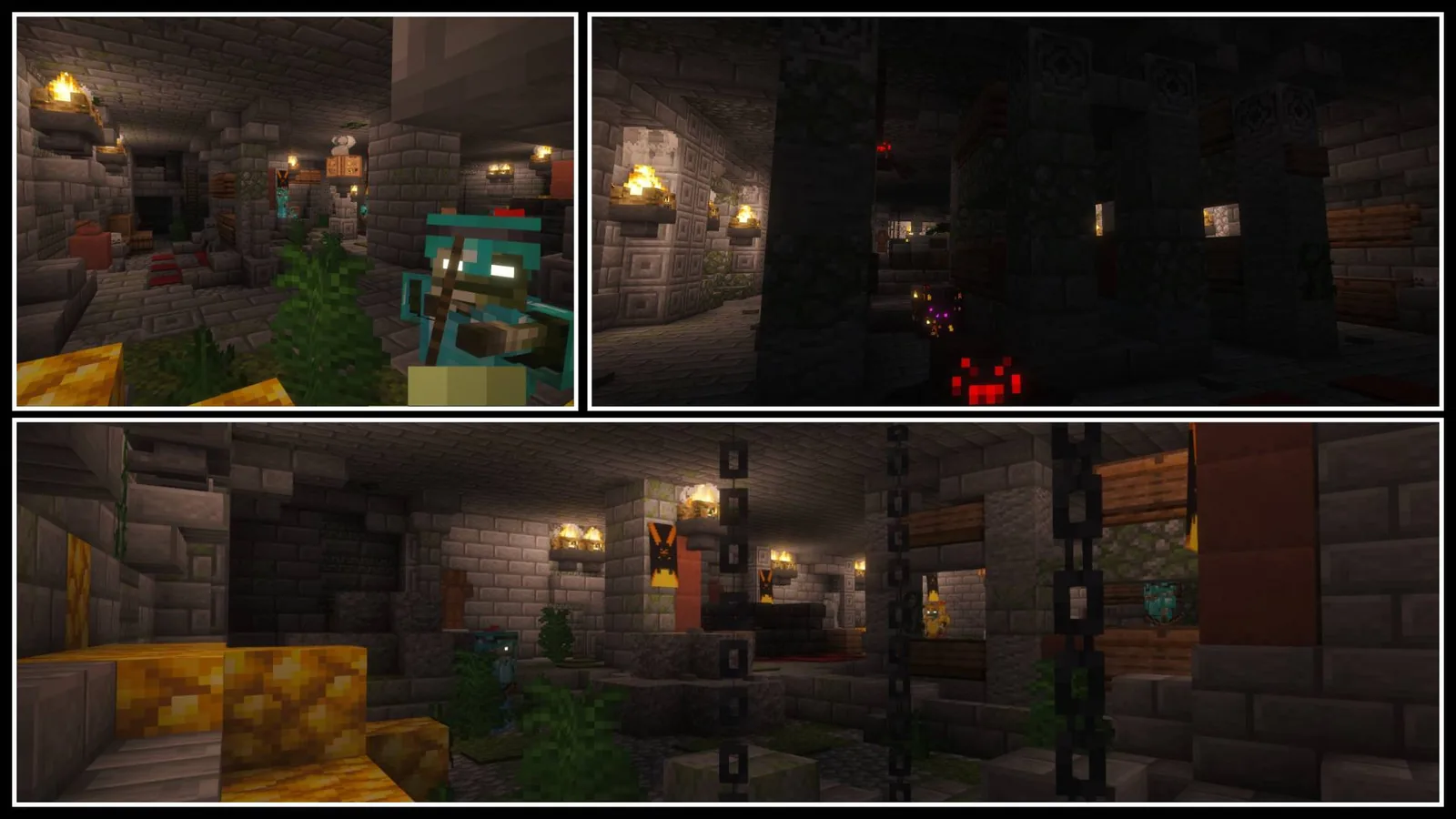
A jungle temple is three storeys of mossy cobblestone with a specific interior layout:
- Two chests. One behind the lever puzzle, one behind the tripwire corridor.
- A tripwire trap. Two tripwire hooks connected by string across a corridor, wired to a dispenser loaded with arrows.
- A lever puzzle. Three levers on a wall. Pulling them in the correct sequence opens a piston door to the lower chest.
- Redstone, repeaters and pistons, which are worth taking on their own in an early world.
The loot tables are modest – bones, rotten flesh, string, gold ingots, iron ingots, emeralds, diamonds at a low rate, and horse armour. Our structure loot guide ranks that against the rest, and the honest placement is mid-table.
Two practical notes. The dispenser is worth more than most of the chest contents in an early world – it is a dispenser, redstone dust and arrows, handed to you. And the lever puzzle has only a handful of valid sequences, so brute-forcing it takes under a minute if you want to do it properly rather than mining through the wall.
Why the biome is the real find
Jungle is a resource biome more than a scenic one. Five things generate there and effectively nowhere else:
Cocoa beans. Only source. Needed for brown dye and cookies, and the only renewable brown dye in the game. They grow on jungle logs and are trivially farmable once you have one pod.
Melons. Jungle is the primary natural source. Melon slices are the base for glistering melon, which is the healing potion ingredient. Our brewing guide covers that chain.
Bamboo. The fastest-growing plant in the game and the cheapest renewable fuel at scale. Also the only source of scaffolding, which is the best temporary building tool there is.
Parrots. Only source. Largely cosmetic, with the one real use that a parrot on your shoulder imitates nearby hostile mob sounds.
Ocelots. Only source. Cannot be tamed, but their presence scares creepers away from an area, which is a genuine defensive property.
Add jungle wood, which is one of the better dark building materials, and the biome is carrying far more than the temple inside it.
Why jungles are hard to find
Jungle sits at the hot and wet end of the climate parameters, which puts it in a narrow band. In practice that means jungles generate in large contiguous patches but those patches are far apart. You either spawn near one or you travel a long way.
Three search notes:
- Follow the heat. Jungle borders savanna and desert on the dry side and swamp on the wet side. If you are crossing savanna, a jungle is more likely than if you are crossing taiga.
- Look for the canopy from altitude. Jungle is the tallest tree biome in the game and reads as a dark green mass well above surrounding terrain. Our long-range rendering review covers making that visible at distance.
- Bamboo jungle is a separate variant and generates as a patch inside normal jungle. It has far more bamboo and fewer trees, and temples do not generate in the sparse variant as readily.
Our structure generation guide covers why structure searches work and terrain searches do not, which is the core difficulty here – you are looking for a biome, not a structure.
Judging a jungle spawn
Rank these:
A temple within a few hundred blocks. The free dispenser and redstone matter in hour one and matter very little afterwards, so proximity is worth more than the loot.
A bamboo jungle patch. Bamboo is the single most useful thing in the biome long term. A patch within walking distance means scaffolding and fuel forever.
A non-jungle biome adjacent. Jungles are hard to move through and hard to build in. Having plains, savanna or river on one edge gives you somewhere to live while you farm the jungle.
A river running through. Jungle is dense and disorienting at ground level. A river is a navigation line and a transport route, and it is the one thing that makes a jungle base practical.
Melons visible. Melon patches generate naturally in jungle and finding one saves you a trade.
Living in a jungle
Two problems, both solvable.
Visibility is terrible. The canopy blocks light, the undergrowth blocks movement, and mob spawns happen under the trees in daylight because the light level on the ground is low. Clearing a space is the first job, and our light levels guide covers how much you need to raise it to stop spawns.
Jungle trees are hard to harvest. The large variant is 2×2 and up to 30 blocks tall, with vines. The standard approach is to climb using the vines and work down, which is slower than it sounds. Our tree and landscaping guide covers shaping them if you want to keep some.
On the upside, jungle is the best biome in the game for a build that wants to look reclaimed by nature. Vines, moss, mossy cobblestone and leaf cover are all on site. Our decay techniques guide covers the style, and a build threaded between existing jungle trees reads far better than one in a cleared square.
What to bring
Shears, above everything. Jungle leaves and vines are everywhere and shears are the only way to collect them or clear them quickly. A stone axe for the wood, a water bucket for the drops between tree branches, and more torches than you think, because the ground is dark under the canopy even at noon.
If you are specifically after the temple, bring nothing special – the trap is survivable and the puzzle is optional. Our structures worth exploring guide covers where the temple ranks against everything else you could spend the trip on.
Images: MTR – Moog’s Temples Reimagined project gallery.