Key takeaways
- Most structures use a spacing and separation system: the world is divided into regions and one attempt is made per region.
- Large spacing plus strict biome requirements is why woodland mansions feel rare and villages do not.
- The locate command and explorer maps both read the same generation data, so neither is cheating the system – they are querying it.
“Random” is the wrong mental model for structure placement. The generator works on a grid, and once you know the grid exists, hunting becomes navigation rather than luck.
Spacing and separation
Each structure type has two numbers. Spacing is the size of the region the world is divided into, measured in chunks. Separation is the minimum distance between structures of that type. Inside each region, the generator picks a position and attempts to place the structure there.
If the chosen position fails a requirement – wrong biome, unsuitable terrain – nothing generates in that region at all. It does not retry elsewhere. That single rule explains most apparent rarity.
Why mansions are the hard case
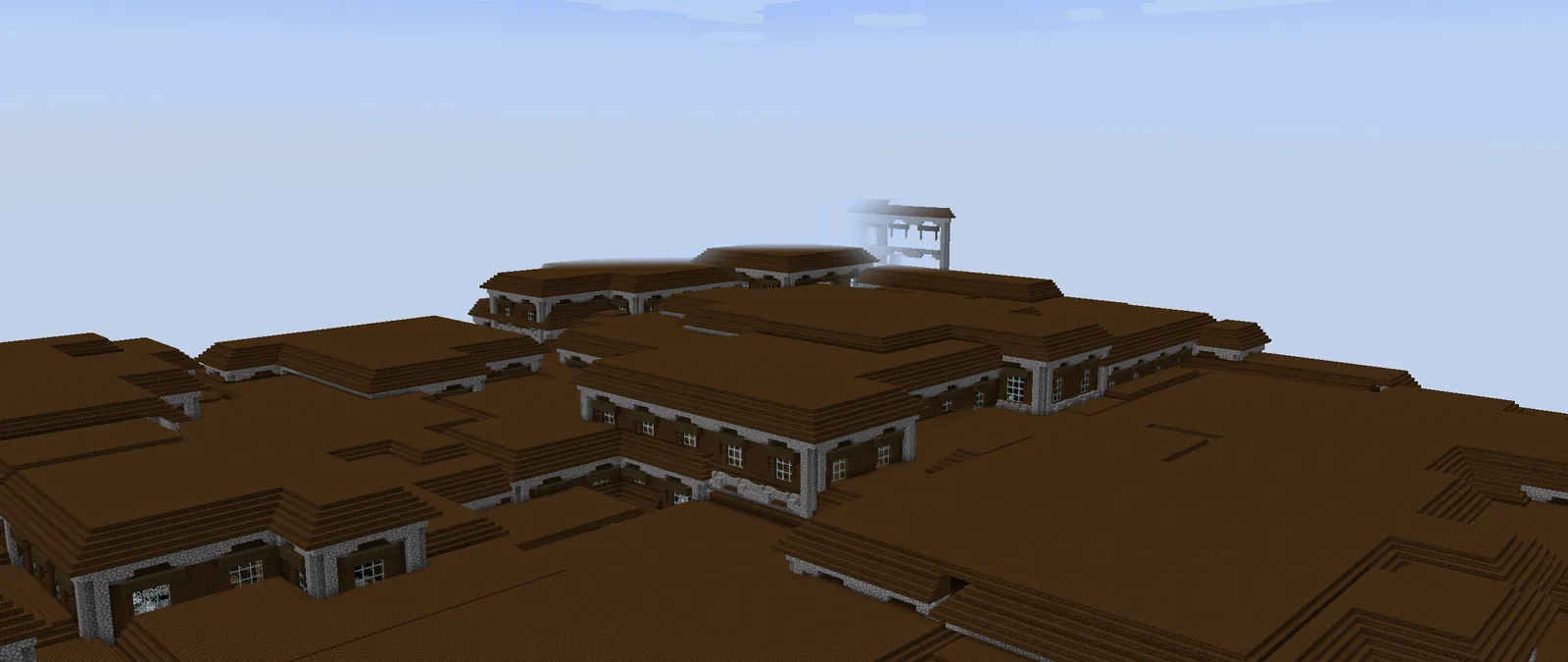
A woodland mansion has very large spacing and requires a dark forest biome. Dark forests are uncommon, and most regions will not contain one at all. The combination of a big grid and a rare biome requirement means thousands of blocks can pass with no valid placement.
Villages sit at the opposite end: small spacing and several qualifying biomes. The result is that you trip over them. Neither structure is “rarer” in a random sense – they are placed by the same system with different numbers.
Finding them without cheating
Cartographer villagers sell explorer maps for mansions and ocean monuments. That is the intended in-game solution, and the trade is usually cheap relative to the search time it saves.
On single player with cheats, the locate command returns the coordinates of the nearest matching structure. It is worth being clear about what it does: it queries the same generation algorithm the game uses, so it is not revealing secret data so much as skipping the walking.
Why mods change this so dramatically
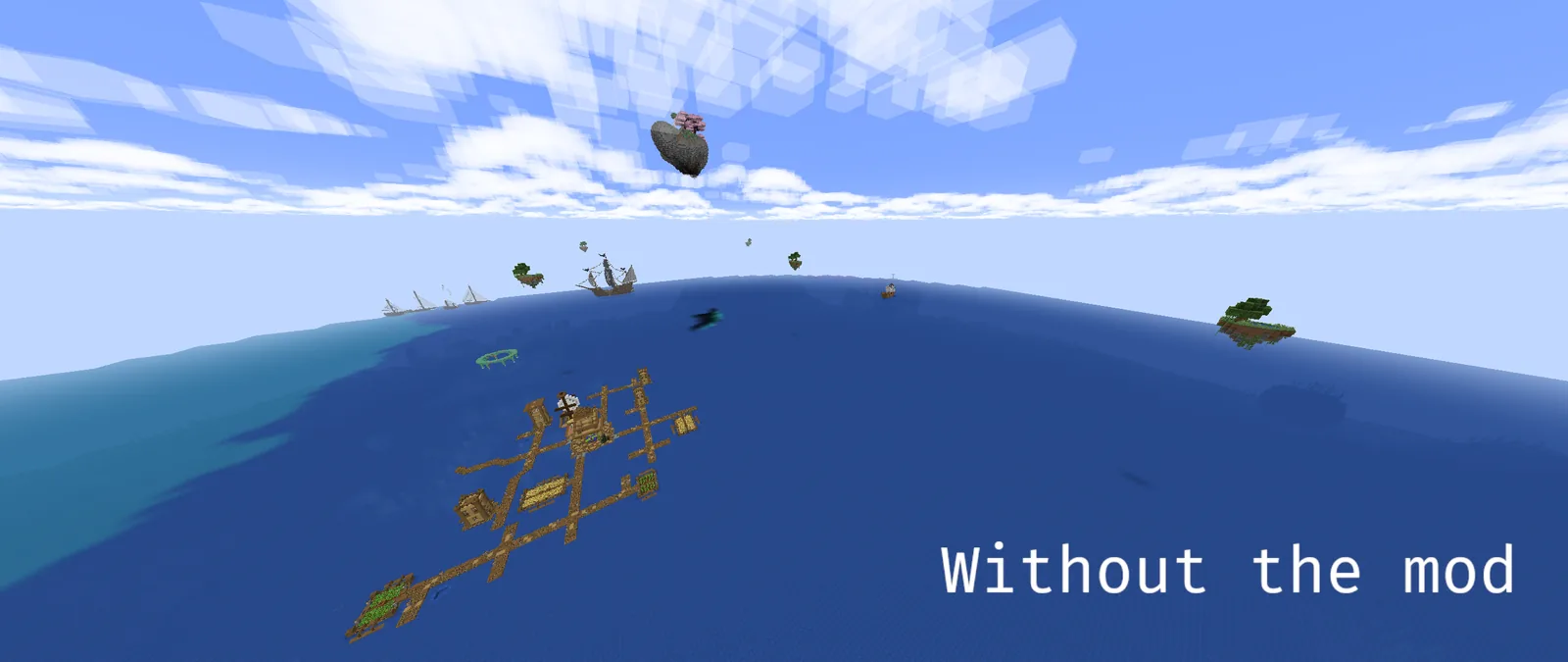
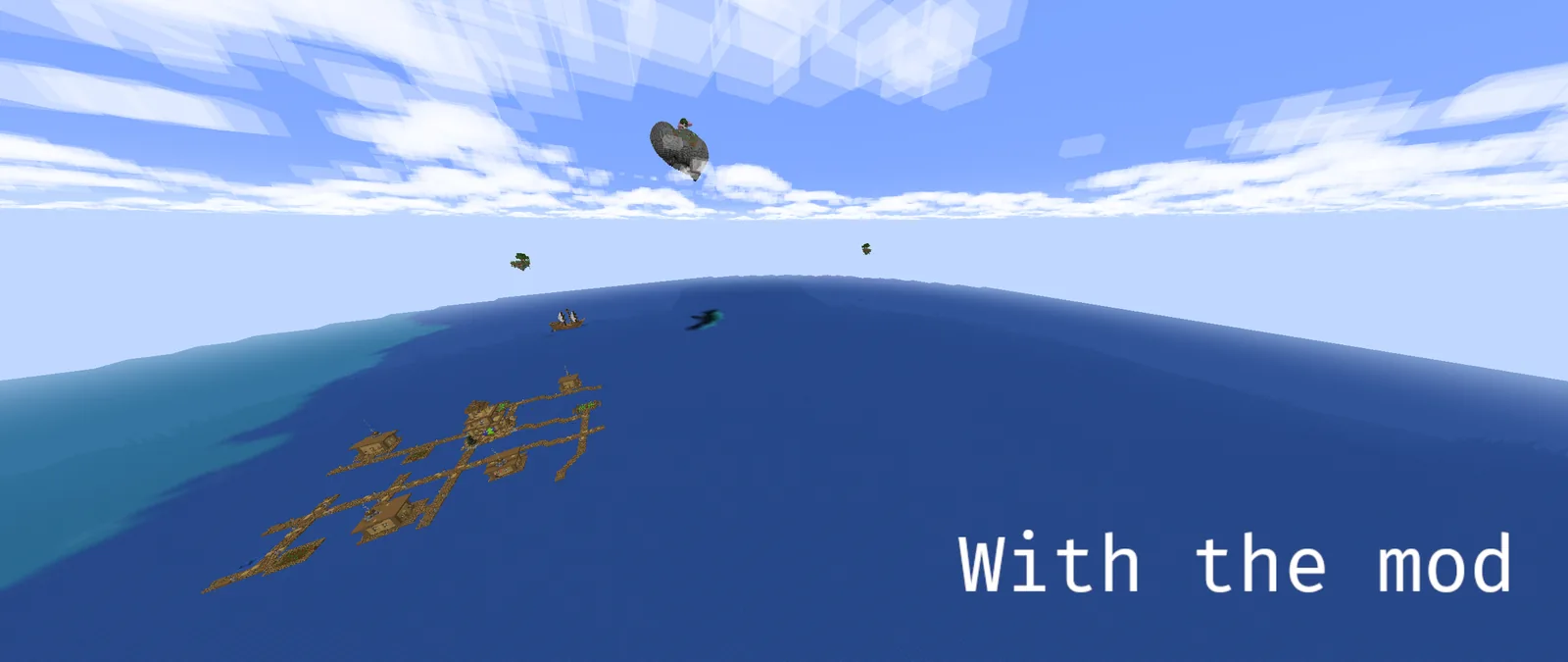
Structure mods add new types to the same grid system, each with its own spacing. Install several and the total density rises sharply, because each mod’s structures are placed independently of every other mod’s. This is why a heavily modded world can feel like a theme park, with a structure visible from almost any hilltop.
Mods exist specifically to thin that out by multiplying every structure’s spacing, which is a good indicator of how common the problem is.
Our view is that structure density is the most under-considered setting in modpack design. Adding six structure mods is exciting for the first hour and flattens exploration permanently, because nothing is rare and no journey is required to find anything.
Practical search advice
Search along a straight line rather than a spiral. Grid placement means a straight transect crosses regions at a predictable rate, while a wandering path re-covers the same regions. Fly at a height where the render distance covers the region width, and check the biome first – if you are not in a qualifying biome, the structure cannot be there.
For seed-driven approaches to the same problem, see the seeds hub, and the deep dark case is covered in the ancient city guide.
Biome tags and why they matter
Structures do not check for a specific biome, they check for a biome tag – a list that groups biomes together. A village checks the “has village” tags, and any biome carrying one qualifies. This is how mods add structures to vanilla biomes and how vanilla adds biomes to existing structures.
It also explains a common modded complaint. A biome pack that creates a new plains-like biome without adding it to the village tag will have no villages in it, and the player experiences that as the mod being broken when it is a single missing line.
Structure sets and mutual exclusion
Some structures belong to a set and compete for the same placement slot, which is how the game prevents a village and a pillager outpost from generating on top of each other. Mods that add structures to an existing set inherit that behaviour; mods that create their own set do not, and that is one reason density rises so quickly with mod count.
Practical searching
Fly at a height where your render distance covers the spacing width, in a straight line, checking the biome as you go. If you have a cartographer, buy the map instead – the emerald cost is almost always cheaper than the fuel and time of a manual search.
For structures with no map trade, the honest answer on a large world is that a systematic transect beats intuition every time. Wandering feels productive and covers far less ground than it appears to.
Images: Sparse Structures project gallery on Modrinth.