Key takeaways
- Traverse adds seven biomes designed to look like they could have shipped with the game, which is a deliberately narrow goal.
- It is Fabric and Quilt only, requires Fabric API, and its current support runs to 26.2 rather than 26.3.
- It is the right biome mod for players who found Terralith and Biomes O’ Plenty too loud, and the wrong one for players who want new terrain to be obvious.
Biome mods have a scale problem. The popular ones add dozens of biomes with new trees, new colours and new terrain shapes, and the result is a world that looks modded from the first screenshot. That is fine if it is what you wanted, but it means there is no middle option between vanilla’s biome list and a complete visual overhaul.
Traverse is that middle option, and it states the goal explicitly: expand on vanilla biomes without replacing or overshadowing them, so that Mojang could have added these and nobody would complain they felt out of place. Seven biomes, no new blocks worth mentioning, no terrain amplification. This review covers whether it achieves that and who should install it.
What this mod does
It adds seven overworld biomes to the generation pool:
- Autumnal Woods
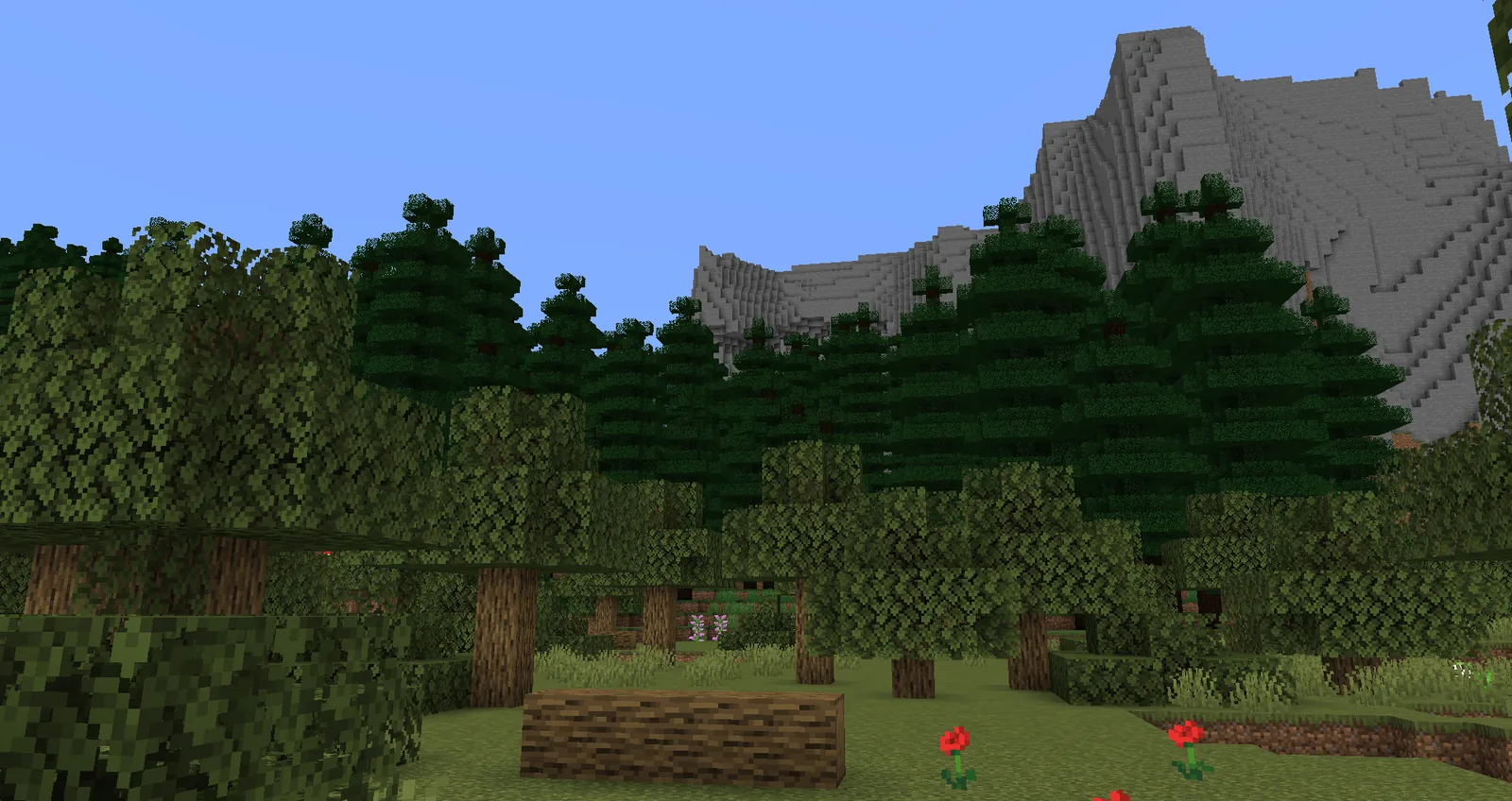
- Coniferous Forest
- Snowy Coniferous Forest
- Woodlands
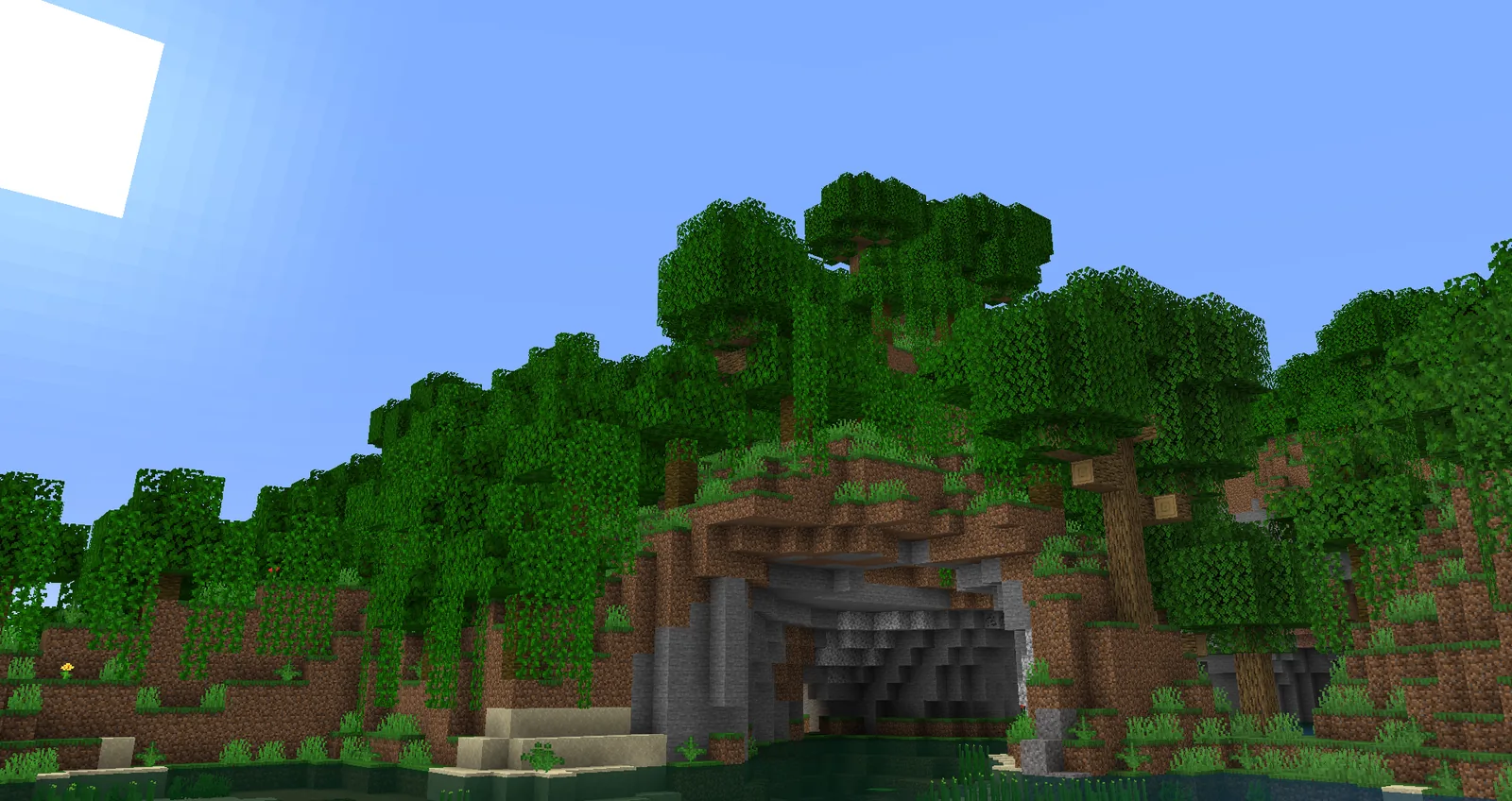
- Lush Swamp
- Desert Shrubland
- Flatlands
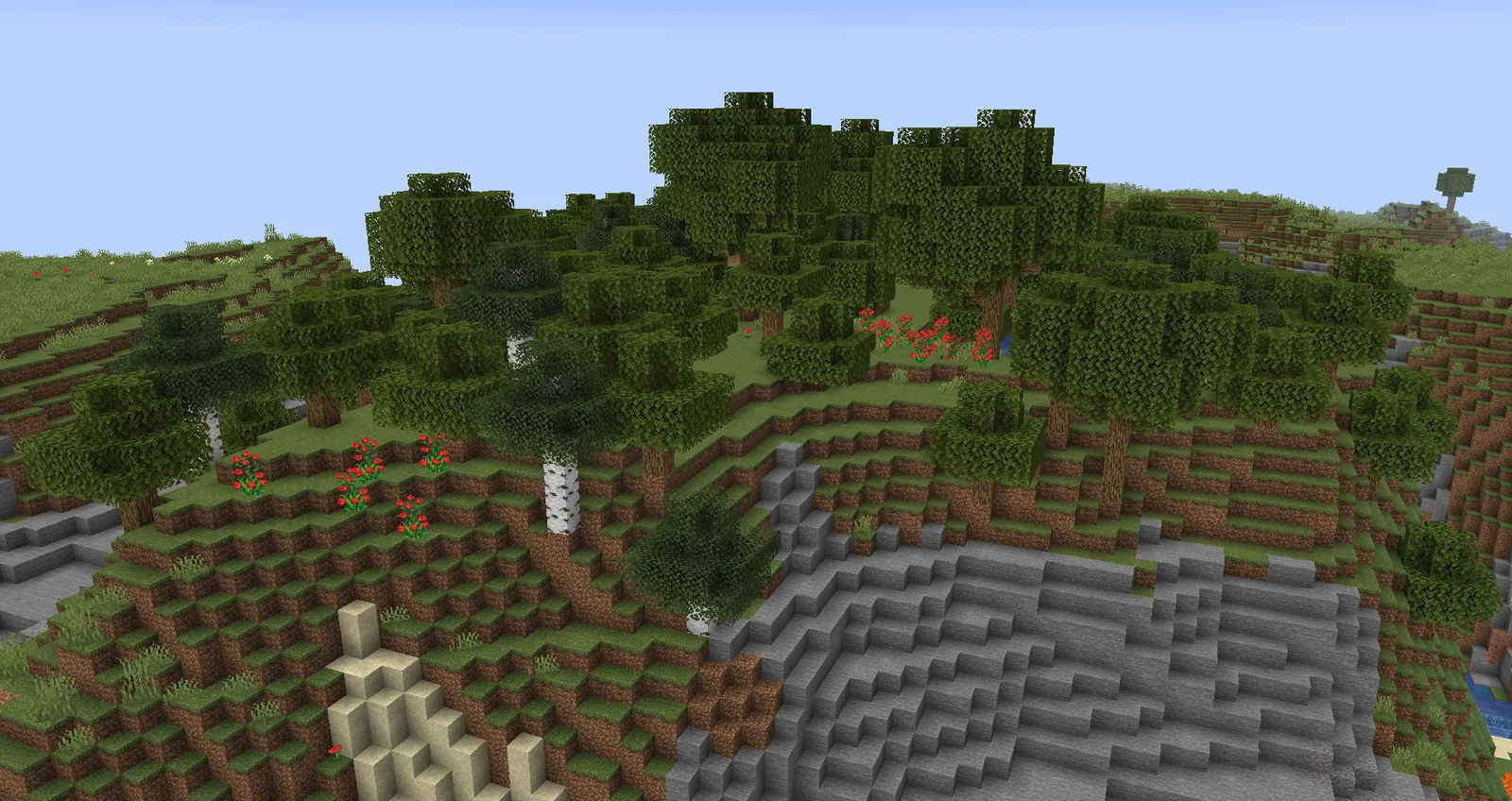
Read that list and notice what is not in it. There are no floating islands, no crystal forests, no alien colour palettes, no biomes with their own weather. Every entry is a variation on something vanilla already has, filling a gap rather than opening a new category. Autumnal Woods is the forest Minecraft never got. Flatlands is the plains variant that is actually flat. Desert Shrubland is the transition the generator has always lacked between desert and anything green.
That restraint is the entire product. Traverse is not trying to make your world more interesting than vanilla, it is trying to make vanilla’s biome transitions less abrupt.
Key features
Vanilla-consistent construction. The biomes use existing blocks and existing tree shapes with different parameters. Nothing in a Traverse biome will look wrong under a resource pack, and removing the mod from a world leaves terrain rather than holes.
Transition value. Several of the biomes exist specifically to sit between two vanilla ones. Desert Shrubland between desert and savanna, Woodlands between forest and plains. This is the part that is hardest to notice and most valuable – vanilla biome borders are frequently abrupt, and Traverse smooths a number of them.
Autumnal Woods. Worth naming individually because it is the biome most people install the mod for. Orange and red foliage in a temperate forest, which vanilla has never offered outside of a resource pack recolour.
Sister mods that stack cleanly. The same team maintains Terrestria for more distinctive overworld biomes and Cinderscapes for the Nether. They are designed to run alongside Traverse rather than instead of it, which means you can start restrained and add the louder content later if you want it.
No configuration needed. It works on install. There is no biome weight tuning to do before the generation looks right.
Compatibility
This is where the care is required.
- Fabric and Quilt only. No Forge or NeoForge build. If you are on a NeoForge pack, this mod is not an option.
- Fabric API required. Hard dependency, standard for the loader.
- Current support runs to 26.2. At the time of writing the version list does not include 26.3. For a 26.3 pack that is a blocker, and it is the main reason to check the project page before planning around it.
- Server-side. Biome generation happens on the server, so clients on a multiplayer server do not need it.
Biome mod conflicts are worth a paragraph of their own. Two biome mods both adding entries to the same climate ranges will reduce each other’s frequency, because they are competing for the same generation slots. Traverse is less affected than most because its biomes are narrow variants rather than broad new climates, but running it alongside a large overhaul will still thin both out. Our biome overhaul comparison covers which combinations work, and our Terralith versus Tectonic breakdown covers the two mods most likely to be in the same pack.
How to install
Three steps:
- Install Fabric Loader and Fabric API for your Minecraft version.
- Check the Traverse project page for a file matching that version – do not assume 26.3 support from the version list alone.
- Put the jar in the mods folder. On a server, the server’s mods folder only.
As with every worldgen mod, new biomes only appear in chunks generated after installation. An existing world keeps its explored terrain unchanged and starts producing Traverse biomes at the edge of what you have visited, which produces a visible seam. Our guide to adding worldgen mods to an existing world covers how to handle that, and our mod installation guide covers the basics.
How it compares
Against the obvious alternatives:
Versus Terralith. Terralith rebuilds the overworld with dozens of biomes and dramatic terrain. Traverse adds seven and changes no terrain shapes. They are not substitutes – if you want your world to feel new, Terralith is the answer, and Traverse will feel like nothing happened.
Versus Biomes O’ Plenty. Our Biomes O Plenty review covers a mod with a similar philosophy but a much larger biome count and its own blocks. Traverse is the smaller, quieter version of the same idea.
Versus a vanilla biome overhaul. Our Geophilic review covers mods that improve vanilla biomes without adding new ones. That is arguably a cleaner solution to the same complaint, and running Geophilic plus Traverse covers both halves – better vanilla biomes and a few well-matched new ones.
Is it worth installing
If you have tried a large biome mod and turned it off because the world stopped feeling like Minecraft, this is the mod you were looking for. It is the only well-maintained option that explicitly targets the vanilla-plus category and stays there, and Autumnal Woods alone justifies it for a lot of players.
If you want your next world to feel different, skip it. Seven subtle biomes in a pool of over sixty means you may go a thousand blocks without noticing one, and that is the design working as intended rather than a flaw.
The practical blocker is the version question. Check the project page for a build matching your Minecraft version before you commit to it in a pack, because a biome mod added halfway through a world is a much bigger decision than a client-side mod. Our review of a 26.3-current worldgen mod covers an alternative if you need something on the newest version today, and our seed reading guide covers how to tell what your generation actually produced once it is running.
Images: Traverse project gallery.