Key takeaways
- Terralith adds biomes and surface variety while keeping vanilla’s terrain shapes
- Tectonic rewrites terrain height and cave structure, producing genuinely different landforms
- They are designed to coexist, and running both is the common setup
There is a point in every long-running Minecraft world where seeds stop helping. You have looked for a good spawn, you have compared a dozen candidates, and the problem turns out not to be the seed at all – it is that vanilla’s generator only makes so many kinds of place. Once you have seen enough of them, a new seed is a reshuffle rather than a discovery.
That is where world generation mods come in, and Terralith and Tectonic are the two that matter. They get recommended interchangeably and they do completely different jobs. Understanding the difference is the difference between fixing your world and installing two mods that overlap.
What Terralith does
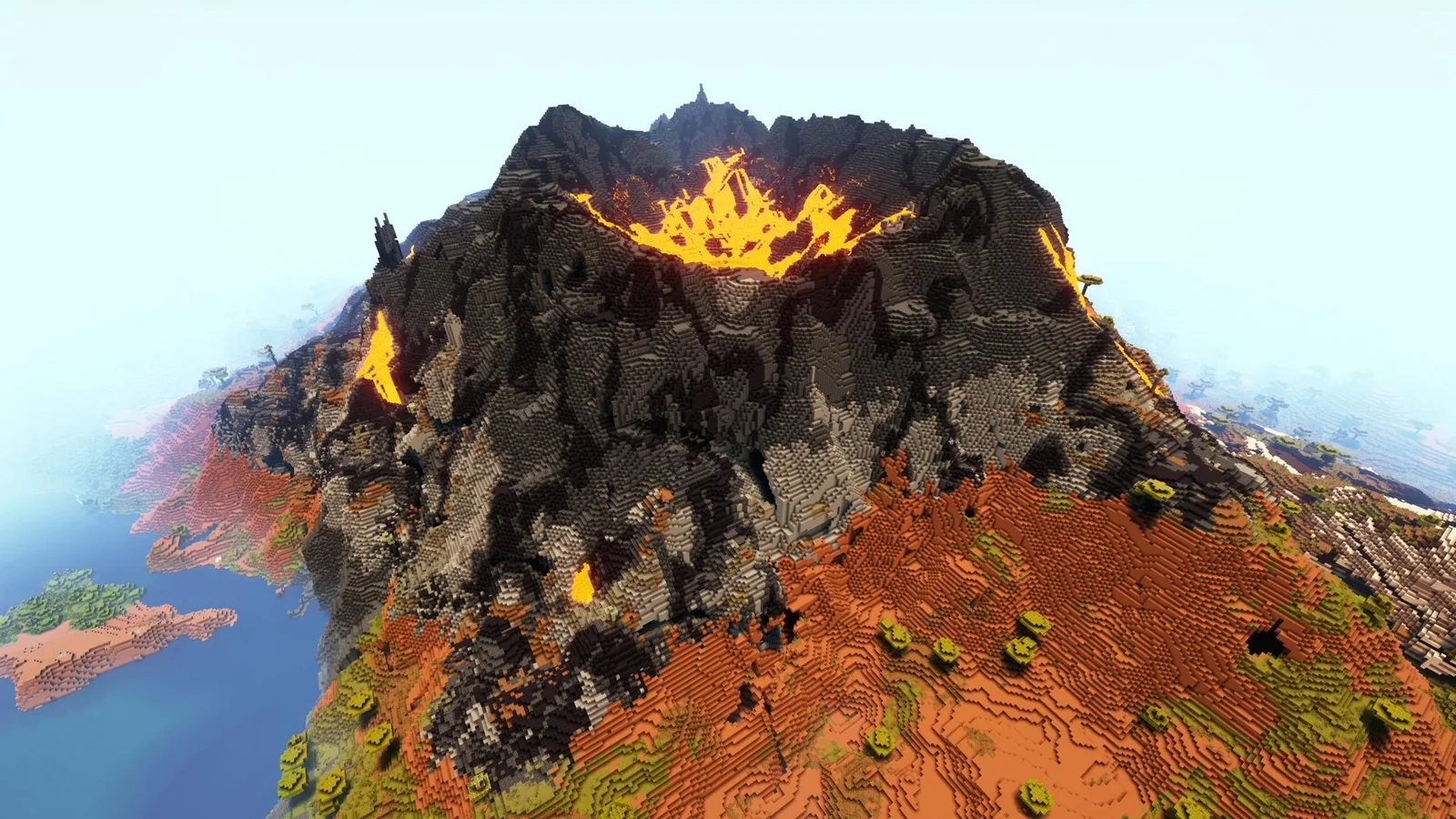
Terralith works on biomes. It adds a large set of new ones – alpine highlands, moorlands, volcanic regions, ice-carved valleys – and distributes them using vanilla’s existing terrain rules. The ground still rises and falls the way Minecraft normally makes it rise and fall; what changes is what is growing on it and what colour it is.
The practical effect is variety in what you find rather than variety in where you can stand. Walking a thousand blocks in a Terralith world produces more distinct places than walking the same distance in vanilla, and the transitions between them are handled well enough that you rarely get the hard biome edges that make modded worlds look stitched together.
What Tectonic does
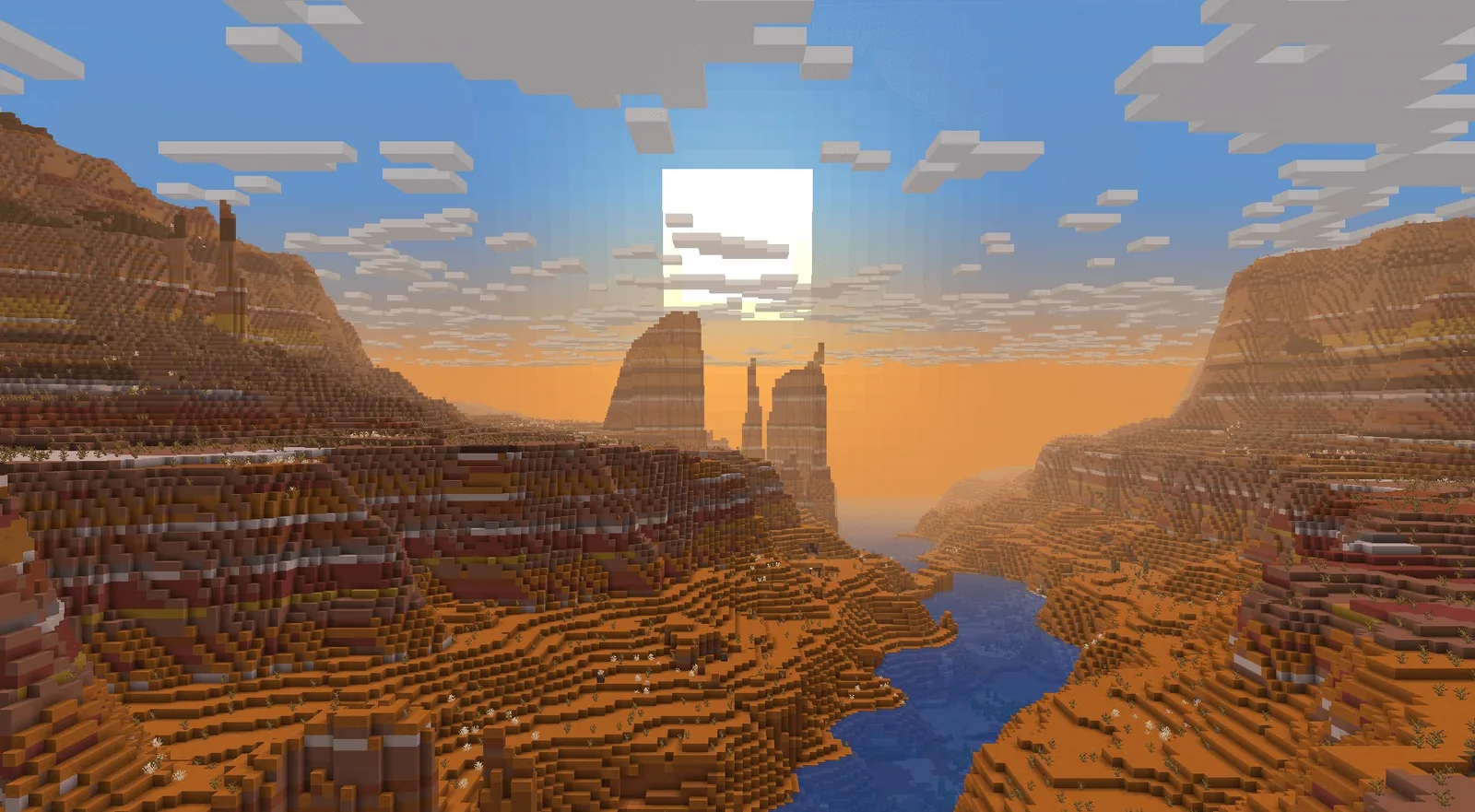
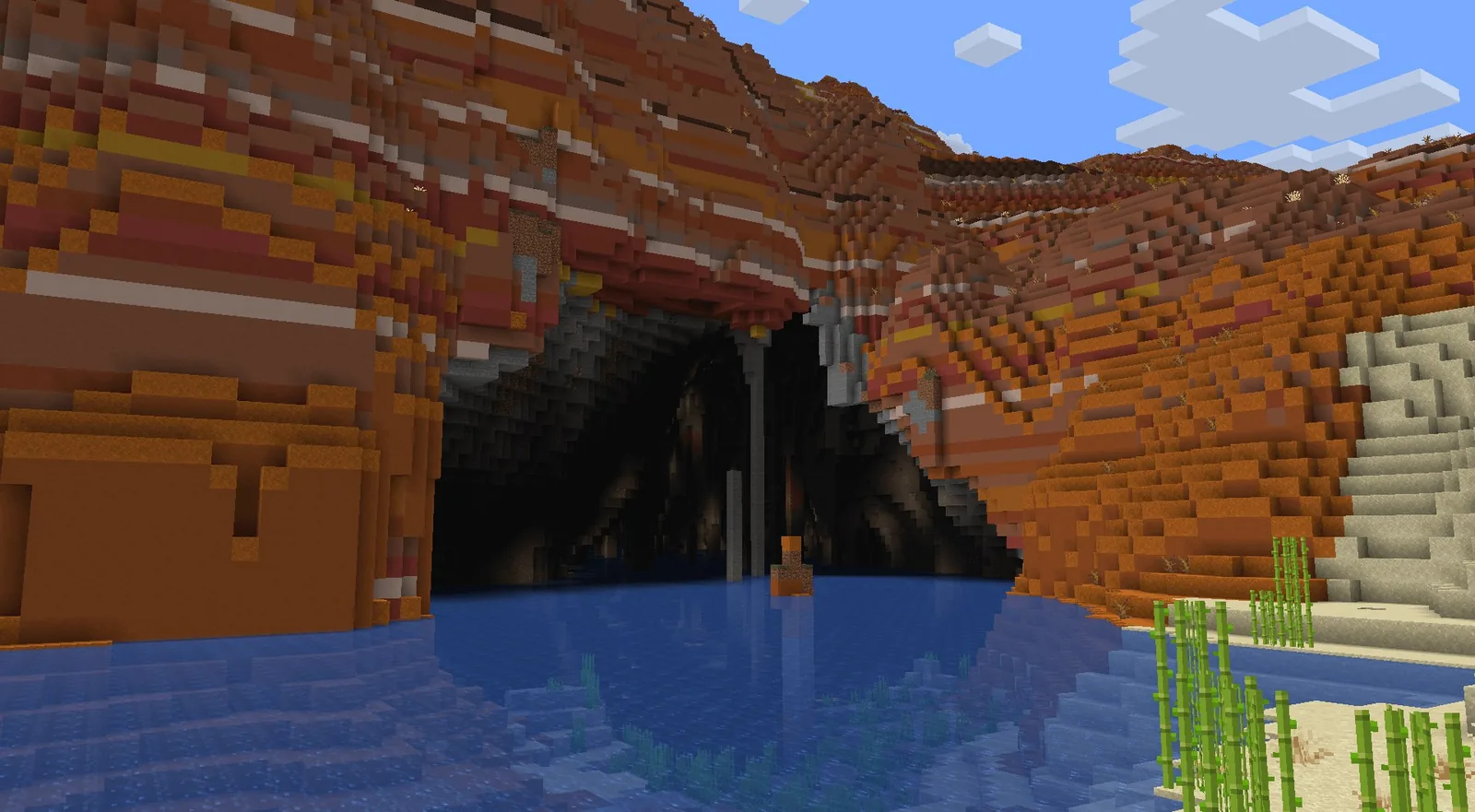
Tectonic works on shape. It rewrites the height and structure of terrain, which means mountains that are genuinely tall, canyons with depth, underground rivers, lava tunnels and cave systems that are large enough to get lost in. The biomes may be familiar; the land they sit on is not.
This is the more dramatic of the two and the one people notice first. A Tectonic mountain range is not a vanilla mountain with more snow – it is a different scale of object, and it changes what building a base on it means. The underground work is equally significant: vanilla caves since the cave update are good, and Tectonic’s are bigger.
Why the distinction matters
If your complaint is “every world looks the same,” you want Terralith. If your complaint is “the terrain is boring to look at and boring to build on,” you want Tectonic. Those are different complaints and people conflate them constantly.
Running both
This is the part that surprises people: they are compatible by design, and the combination is what most players actually want. Tectonic provides the landforms and Terralith fills them with varied biomes, so you get tall mountains that are also interesting mountains. Tectonic’s own gallery includes a Terralith volcano, which tells you how deliberate the pairing is.
Install order and version matching still apply – both need to be on the same Minecraft version and the same loader, and both need to be present before you generate the chunks you want them to affect.
The rule that catches everyone
Worldgen mods only affect chunks generated after they are installed. Adding either mod to an existing world does not retroactively change terrain you have already explored, and it produces a visible seam where old chunks meet new ones.
- Best case: start a new world with the mods already installed
- Acceptable: add them to a world you have barely explored
- Bad: add them to a world with a large explored area and expect it to blend
- If you must, walk several thousand blocks away before settling, so the seam is far from your base
This is the single most common support question for both mods and it has no good workaround. Plan for it rather than discovering it.
What this means for seeds
Worth being clear about: installing either mod changes what a seed produces. Seed lists you find online are generated in vanilla, so a seed famous for a particular village layout or a spawn next to an ancient city will not reproduce that once the generator has been replaced.
That is a real trade. If you rely on known seeds – our guides to finding a village seed worth starting on and survival island seeds both assume vanilla generation – then worldgen mods and seed hunting are alternatives rather than complements. Pick one approach.
Performance
Both cost something at world generation time, and Tectonic costs more because it is doing more geometric work. You feel it as slower chunk loading while exploring new terrain, not as a lower frame rate once you are standing still.
Larger caves and taller mountains also mean more blocks per chunk, so save files grow faster than vanilla. On a multiplayer server with several people exploring in different directions, that is worth budgeting for. If chunk loading is your bottleneck, the performance mods we recommend help with the rendering side but will not speed up generation itself.
Which to install
If you are starting a fresh world and you want it to feel new, install both. If you can only pick one, pick based on the complaint you actually have, using the test above. And if you are attached to vanilla seeds and known structure locations, install neither – that is a legitimate choice and the mods will actively work against it.
One editorial note after running both: the combination makes exploration slower in a way that is mostly good and occasionally annoying. Terrain that is genuinely tall takes time to cross, and a trip that would be five minutes in vanilla becomes fifteen. Whether that reads as immersive or tedious depends entirely on whether you were enjoying the walk.
Sources
Images and project details from Terralith and Tectonic on Modrinth.