Key takeaways
- Towns and Towers now ships a datapack build for 26.3 alongside the mod, so a vanilla server can run it with no loader at all.
- Version 1.13.13 fixes duped armour stands in sunflower plains villages and several missing loot tables and connectors.
- One fix removes chunk-wide grass spreading from village decorations, which was causing out-of-range worldgen reads and writes.
Towns and Towers is one of the most-installed worldgen mods in Minecraft, with over nineteen million downloads, and its pitch has always been simple: the 1.14 village update was good and unfinished, so here is the rest of it. More village styles, better pillager outposts, and ships that actually sail.
The 27 October release does two things at once. It publishes a datapack version for 26.3, and it ships a bug-fix release for the mod that includes one genuinely important worldgen correction.
The datapack build
This is the headline for anyone running a server they do not fully control.
A datapack is not a mod. It drops into the world’s datapacks folder, needs no mod loader, and works on a completely vanilla server. Nothing is installed on the client. For Towns and Towers – which adds structures built from vanilla blocks and no new items or entities – that is a natural fit, because there is nothing in it that requires code.
What that unlocks:
- Vanilla servers can run it. No Fabric, no NeoForge, no Paper required.
- Realms becomes possible. Realms accepts datapacks and does not accept mods.
- Players install nothing. Everyone connects with a stock client.
- Removal is clean. Take the datapack out and generated structures stay as ordinary blocks, because that is all they ever were.
The trade is that a datapack cannot do anything a mod can do with code – no config screen, no runtime behaviour, no compatibility shims. For a structure set that is a small loss. Our plugins versus mods guide covers where that line sits in general.
What 1.13.13 fixes
Four entries, and they are not cosmetic:
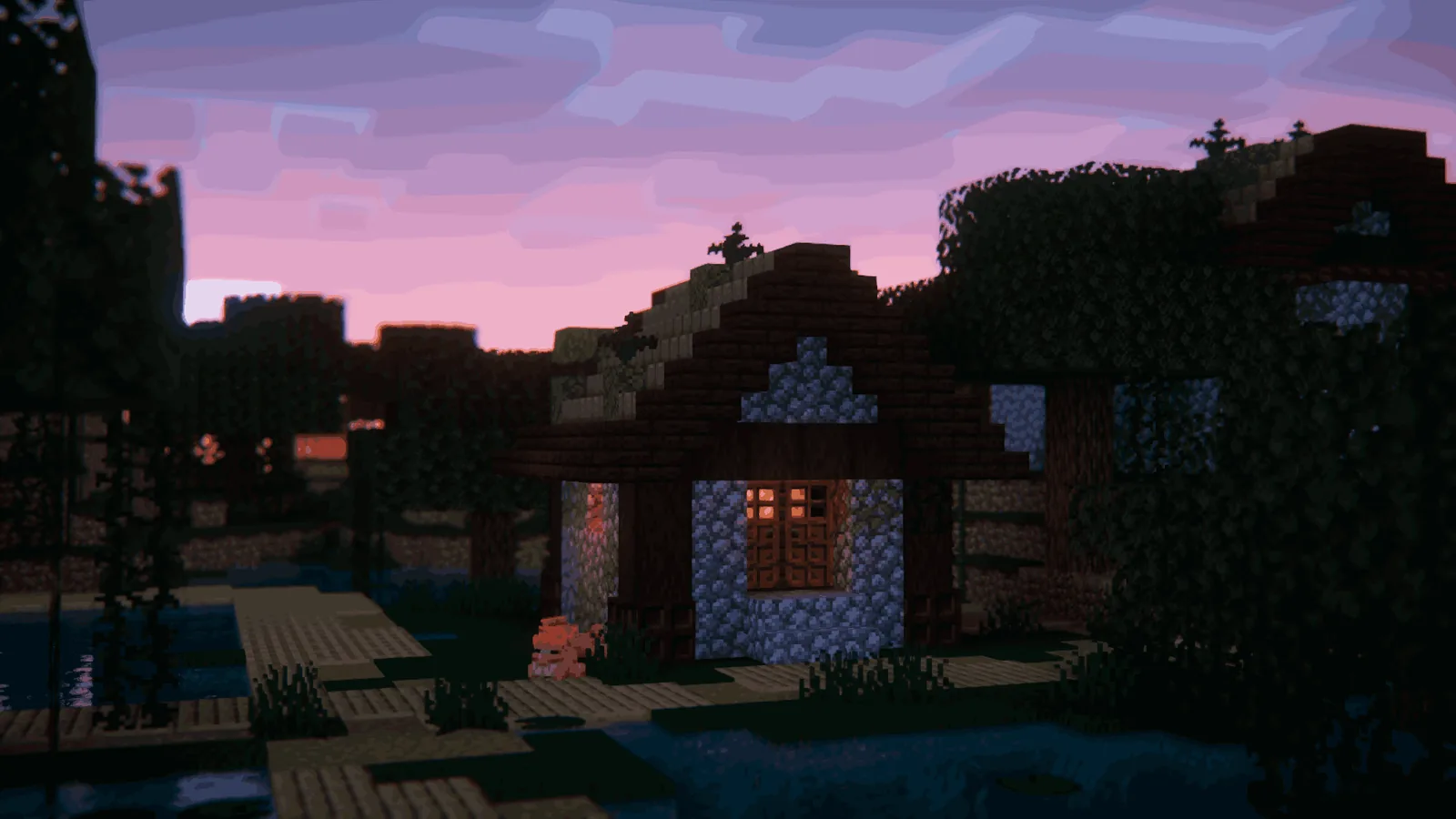
Duped armour stands in sunflower plains villages. A structure piece was placing armour stands more than once, which left duplicate entities stacked in the same spot. On a server that is a small but permanent entity-count cost in every affected village.
Missing loot tables in the Iberian and swamp leatherworkers and birch forest small house 6. Three structure pieces were generating chests with no loot table assigned, meaning empty chests where there should have been loot.
The Swiss shepherd house villager connector pointing to a missing pool. A structure reference that did not resolve. These usually show up as a building that generates without the piece that should attach to it.
Removed extra chunk-wide grass spreading from village decorations. This is the one that matters most. The decoration step was spreading grass across a whole chunk, which caused the generator to read and write outside the chunk it was working on.
Out-of-range worldgen reads and writes are a real class of problem rather than a tidiness issue. Chunk generation runs in parallel, and a feature that touches neighbouring chunks can force the generator to load them early, which cascades. On a server pregenerating a world it shows up as unexplained slowdown; in normal play it shows up as chunk loading stutter near villages. Our pregeneration guide covers why that matters at scale.
What the mod adds, briefly
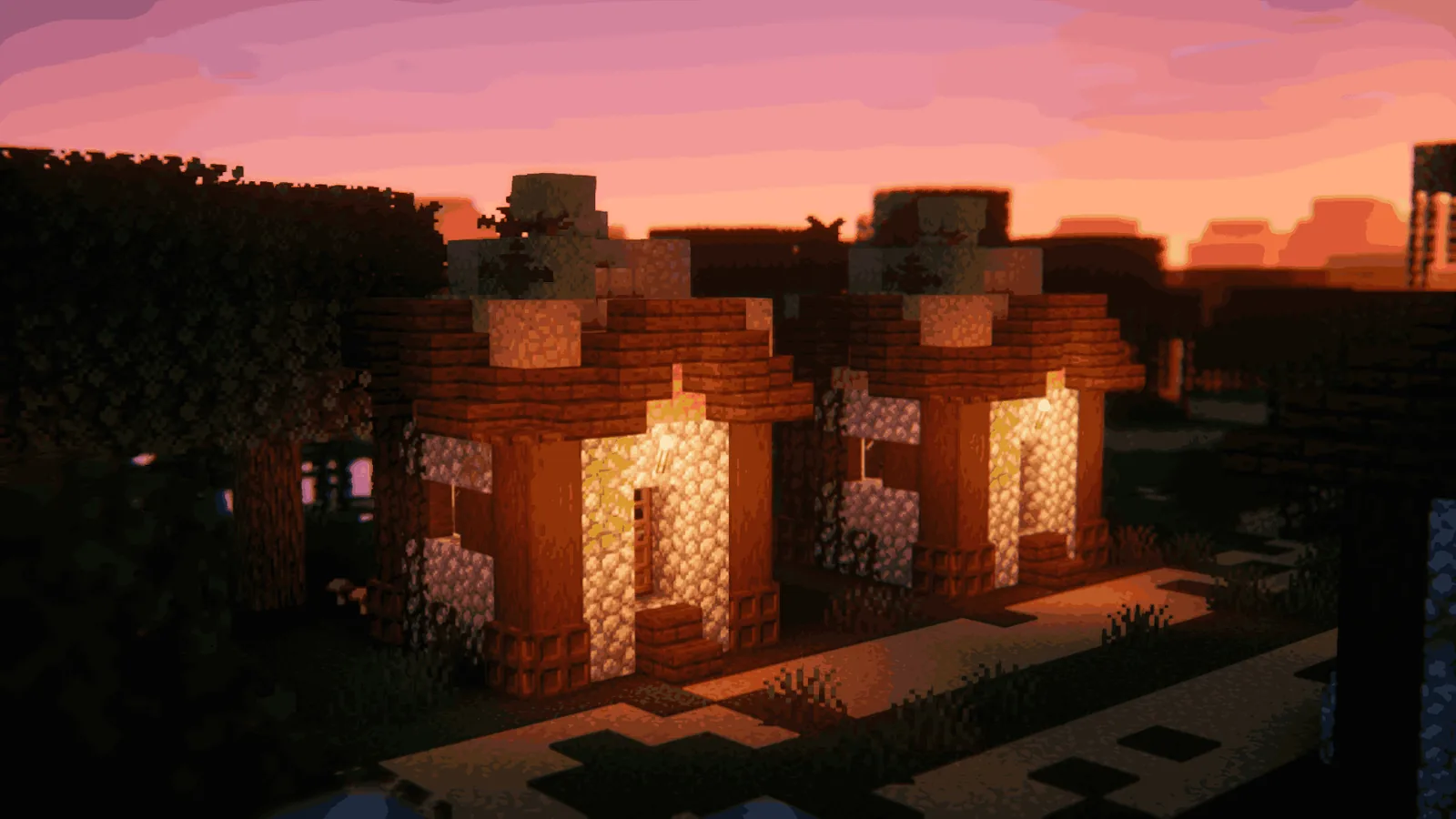
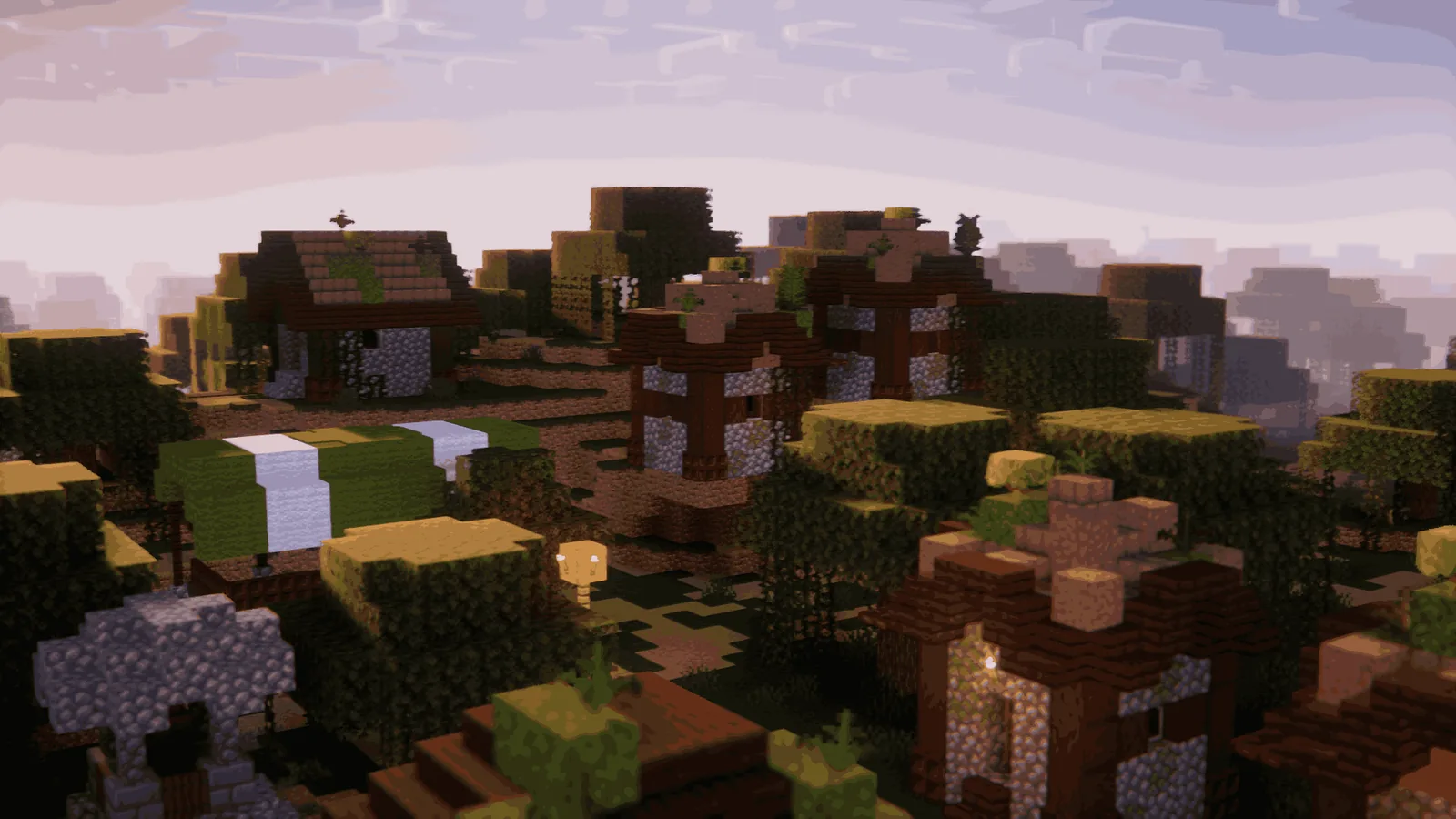
For anyone who has not run it: Towns and Towers expands the village system rather than replacing it. Villages get more building variety and regional styles, pillager outposts get rebuilt, and ships generate at sea and on shorelines.
The design constraint is the same one that makes the datapack possible – everything is built from vanilla blocks, so nothing looks imported. Our full review covers what generates and how it compares to the alternatives.
Which build to install
Datapack if you run a vanilla server, a Realms world, or a world you want to be able to hand to someone else without instructions. Drop it in the world’s datapacks folder.
Mod if you already run a loader. The mod build targets Fabric, NeoForge and Quilt and is the one that will keep getting compatibility work with other structure mods. It depends on a config library from 1.19.3 onwards.
Either way the structures only generate in chunks created after installation. Our guide to adding worldgen mods to an existing world covers the options, and this is one of the more forgiving cases – villages are scattered rather than terrain-wide, so a seam is less visible than with a terrain mod.
If you are running it alongside another structure set, watch density. Our Sparse Structures review covers the global control, and our Repurposed Structures review covers the other large village-adjacent set, which also runs server-side.
Our read
The datapack release is the more significant half and it is getting the less attention. Most worldgen content in Minecraft is gated behind a mod loader, which means it never reaches the players on Realms, on managed vanilla hosting, or on a friend’s laptop server. A structure mod that ships as a datapack crosses that line, and Towns and Towers is one of the few large sets that could, because it never needed code in the first place.
The grass spreading fix is the quieter lesson. A worldgen feature that reaches outside its own chunk is the kind of bug that produces complaints about server performance for years without anyone connecting it to the structure set that caused it. Finding and removing one is worth more than most feature additions.
Images: MMV – Moog’s Missing Villages project gallery.