On 29 September, ten Macaw’s mods updated within four minutes of each other. Roofs, Doors, Windows, Trapdoors, Stairs, Bridges, Fences and Walls, Paths and Pavings, Furniture and Paintings all went to 26.3, and most of them picked up poplar variants while they were at it.
Why this is one story and not ten
The Macaw’s suite is the de facto building block library for modded Minecraft. Between them the mods add several thousand block variants, and almost every building-focused modpack includes at least four of them.
That makes them a dependency in practice. A pack cannot move to a new game version until the Macaw’s mods it uses have moved, and because they are usually used together, a partial port is nearly as blocking as no port. Shipping the whole suite in one pass is the thing that actually unblocks packs.
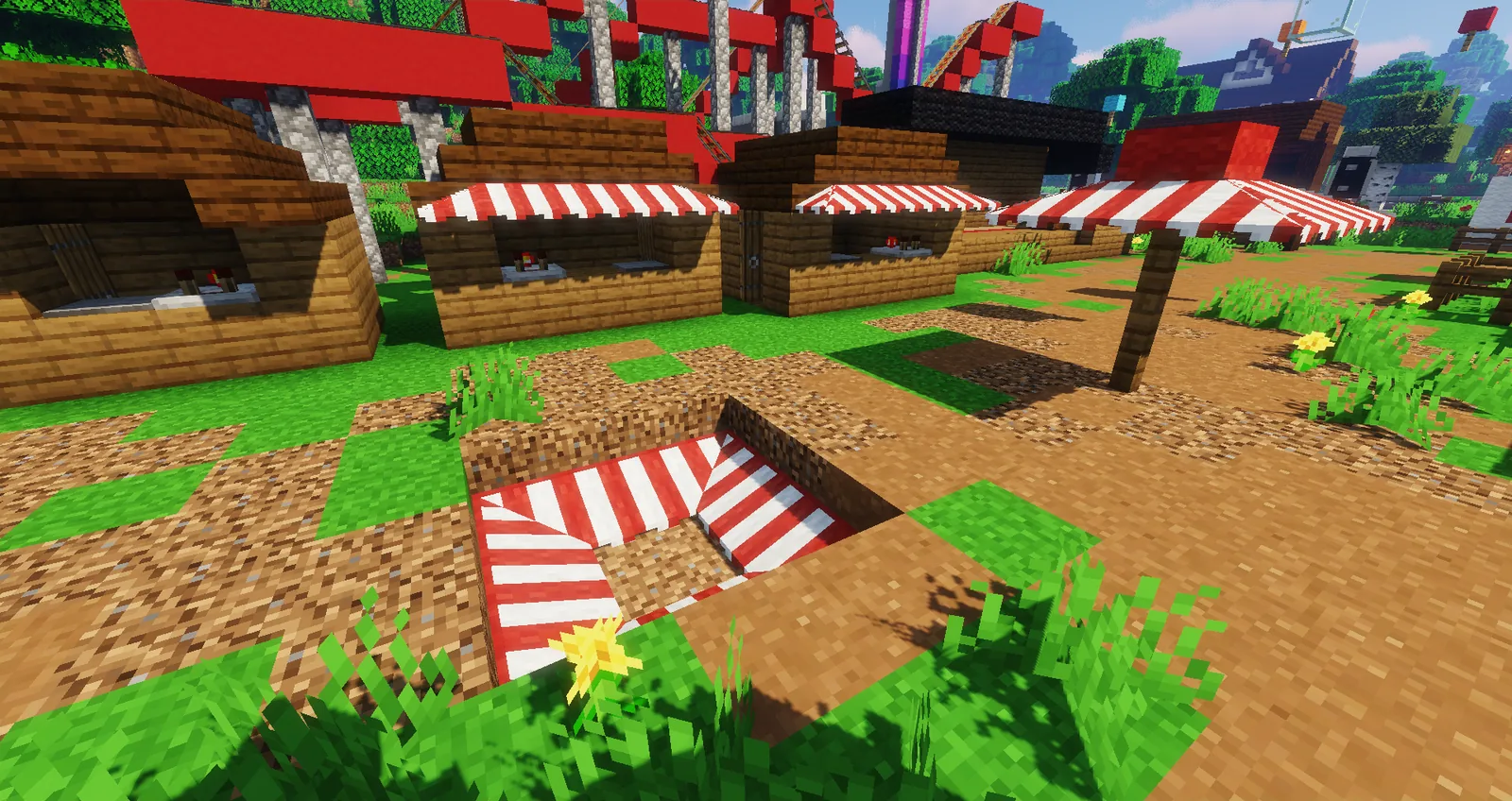
The poplar variants
The interesting half of the release. 26.3 added the dappled forest biome and the poplar wood set that comes with it, and a wood set in vanilla means every block mod now has a gap until it adds matching variants.
Poplar roofs, poplar doors, poplar windows, poplar trapdoors, poplar stairs, poplar fences. None of it is novel design work – it is the same shapes in a new material – but it is the work that keeps a block mod feeling complete rather than dated.
The alternative is worse than it sounds. A builder using poplar as their primary wood who then cannot find a poplar version of a Macaw’s block has a palette break in the middle of a build, which is the single most annoying thing a block mod can do to you. Anyone working through a coherent block palette will recognise the problem.
What each one covers
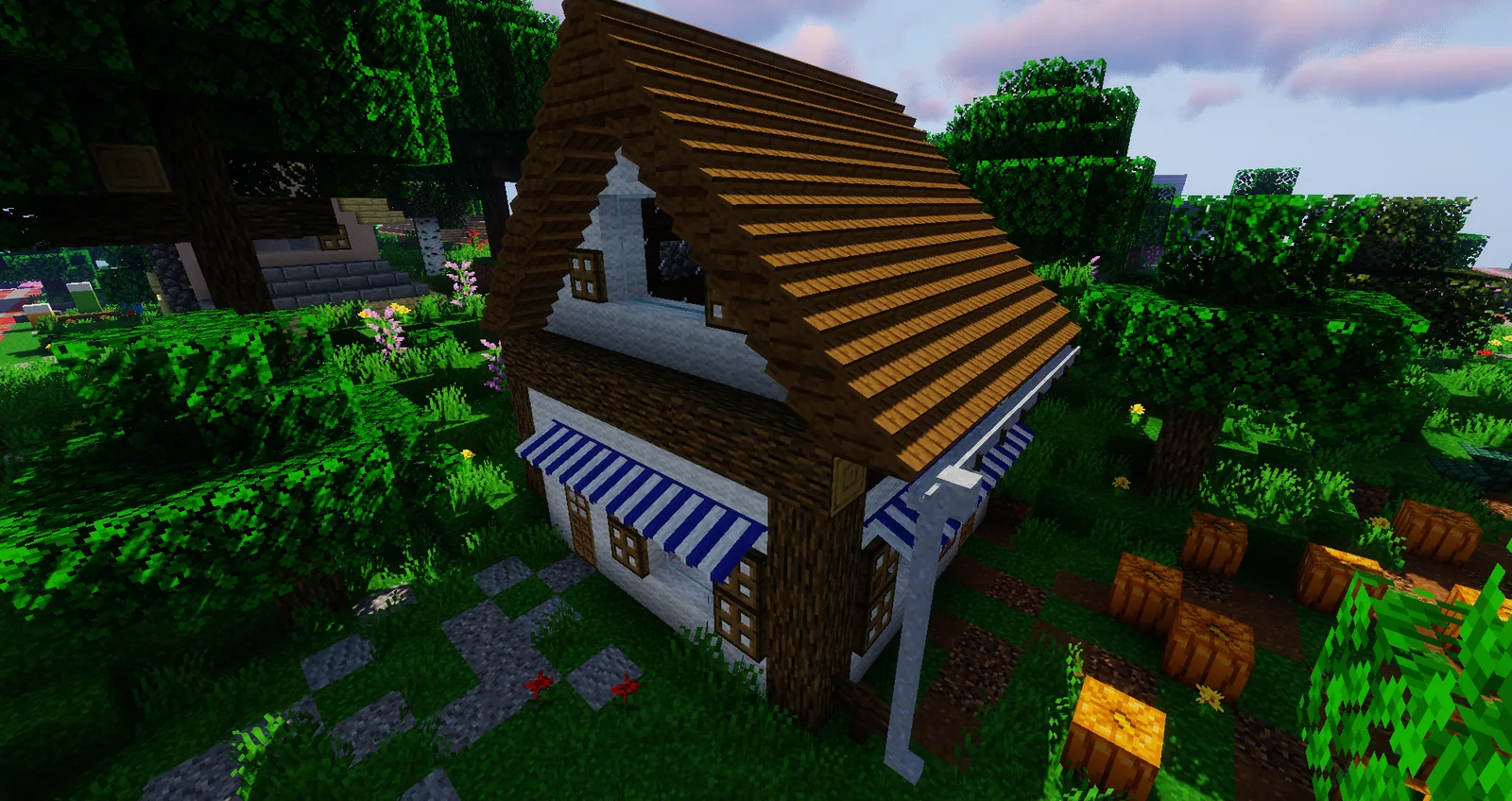
- Roofs – the most used of the set, because vanilla has no roof block and stairs only approximate one.
- Doors and Trapdoors – variety in a slot vanilla treats as functional rather than decorative.
- Windows – framed glass in every wood and stone type, which solves the hardest problem in vanilla facades.
- Fences and Walls, Paths and Pavings – the ground and boundary layer.
- Bridges – purpose-built spans rather than improvised ones.
- Furniture and Paintings – interiors.
- Stairs – additional stair profiles beyond the vanilla shape.
Windows is the one to install if you only install one. Framing is what separates a wall with holes in it from a facade, and the window framing techniques that are laborious in vanilla become single blocks.
The cost of installing all ten
Worth stating plainly. Each mod registers several hundred blocks, and ten of them together is a large registry addition. That has three effects: longer world load, a heavier creative inventory and a bigger memory footprint.
On a modern machine none of that is fatal, but it is not nothing either, and on a server with a modest instance it adds up alongside everything else in the server mod stack. Install the ones you build with rather than all of them by reflex.
The other cost is creative menu clutter. Ten mods each adding their own tabs makes finding a vanilla block harder, which is a real workflow tax for builders.
Loader coverage
The 29 September wave shipped for Forge and NeoForge, with Fabric builds in the same batch for most of the set. Check the loader tag on the file rather than assuming – the suite has historically had slightly different coverage per mod, and “26.3” on the project page does not guarantee your loader.
What this says about 26.3 adoption
Two weeks after 26.3 released, the largest block mod suite has moved. That is a meaningful marker: building-focused packs were the group most likely to be blocked, and they now are not.
The remaining holdouts for most packs are the large content mods rather than the utility and decoration layer. Tracking that is mostly a matter of watching the long tail, which the 26.3 support overview follows.
Which four to pick
If ten is too many – and for most setups it is – the four that give the most per megabyte are Roofs, Windows, Fences and Walls, and Paths and Pavings.
That set covers the four things vanilla handles worst: a roof surface that is not stairs, a framed window, a boundary that is not a fence post, and a ground surface that is not a full block. Everything else in the suite is refinement on top of a build those four already make possible.
Furniture and Paintings are the ones to add if you build interiors. Bridges is worth it only if you actually build spans. Stairs and Trapdoors are the most skippable, since vanilla covers the common cases.
Updating a world
Block mods are safe to update within a major version and dangerous to remove. Adding poplar variants creates new block IDs and touches nothing existing, so the update itself carries no risk to an existing world.
Removing one of these mods later is the operation to avoid. Every block from it becomes air, which in a build made of Macaw’s roofs means the roof disappears. Back up before you remove anything from this suite.
Images: Macaw’s Roofs project gallery.