Key takeaways
- Asymmetric games cannot be balanced to a 50 percent win rate because the two sides are not playing the same game or counting the same outcome.
- Dead by Daylight is balanced around a kill rate target rather than a win rate, which is why the number the developer aims for looks lopsided.
- One player versus four means the solo side’s experience swings far harder on matchmaking error than the group side’s does.
Dead by Daylight has survived for a decade on a design that should not work. One player hunts four, the four have no direct way to fight back, and the match is decided by a chase loop that has barely changed since launch. It is the most commercially successful asymmetric multiplayer game ever made, and it is also the one with the loudest permanent argument about balance.
That argument is interesting because both sides are usually right. Asymmetric balance is not a harder version of symmetric balance – it is a different problem with no clean solution, and the places where Dead by Daylight feels unfair are mostly structural rather than fixable. This is a look at why.
Why 50 percent is not the target
In a symmetric game, balance has an obvious definition. Two teams, same tools, same objectives – if one side wins more than half the time, something is wrong. You can measure it directly and you can argue about it with numbers.
Asymmetric games break that immediately, for three reasons:
The sides do not have the same objective. Survivors are trying to escape. The killer is trying to prevent escapes. Those are not mirror goals, and a match can end with two escapes and two deaths, which is not a win for either side in any clean sense.
The player counts differ. One killer and four survivors means a 50 percent “side win rate” would mean the single killer player wins as often as the four survivor players combined. Per-player, that is not equality, it is the killer winning four times as often as any individual survivor.
The outcomes are not binary. A match with three escapes and one death is a different result from four escapes, and both are survivor-favoured. Any single win rate number has to collapse that gradient into a binary, and where you draw that line determines the answer you get.
So the developer does not balance to a win rate. They balance to a kill rate – the proportion of survivors who die across all matches – and the target they have publicly discussed sits well above half. That number looks shocking if you read it as a win rate, and the reason it is not shocking is everything above.
What a kill rate target actually means
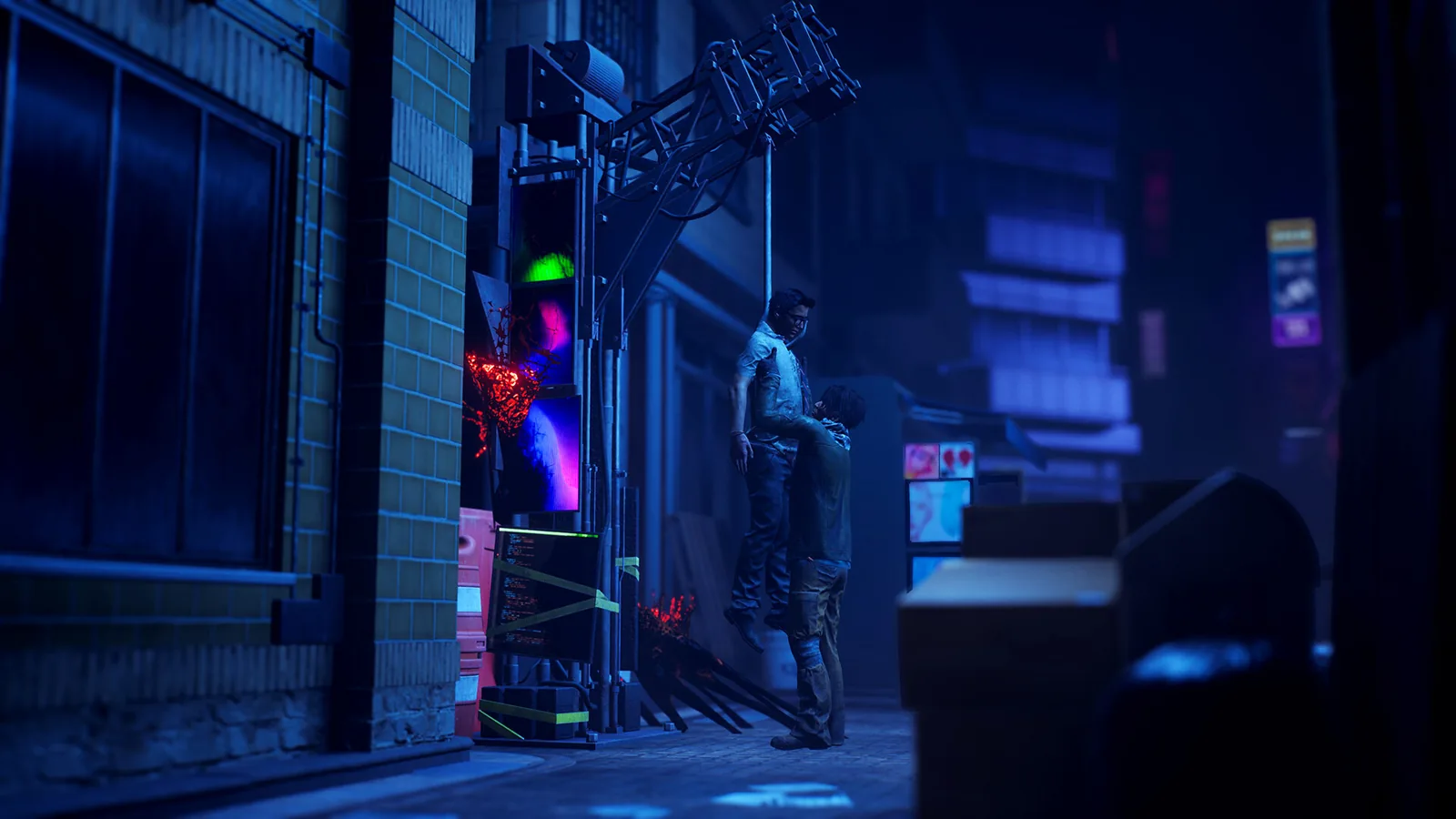
If the target kill rate is around 60 percent, that means roughly two and a half survivors die in an average match. Read per-survivor, an individual survivor escapes about 40 percent of the time. Read per-killer, the killer achieves most of their objective most matches but rarely all of it.
That distribution is deliberate and it is the correct shape for this genre, for one reason: the four-person side is a group experience and the one-person side is a solo one. A survivor who dies still watched three teammates try, still had a chase, and still has a social frame for the loss. A killer who loses all four survivors has nothing but the loss. Solo players need a higher baseline success rate to stay engaged, because there is no team to distribute the feeling across.
The same logic shows up anywhere one player faces a group. Our notes on hero shooter design cover the adjacent problem of balancing individual impact inside a team, and our piece on why co-op design is harder covers why group experiences forgive individual failure in a way solo ones do not.
The matchmaking amplifier
This is the part of asymmetric design that is genuinely close to unsolvable.
In a five-versus-five game, a matchmaking error is diluted. One player who is rated too high is one of five, and the other four absorb some of it. In a one-versus-four game there is no dilution on the solo side. If the matchmaker misjudges the killer, every one of the four survivors experiences that error directly and simultaneously.
It gets worse in the other direction. The four survivors can be a coordinated group on voice communication or four strangers who have never spoken. Those are vastly different opponents for the killer, and the matchmaker cannot fully price the difference because it is not a skill attribute – it is a social one. A killer rated correctly against solo survivors is rated badly against a coordinated group of the same individual skill.
Three structural consequences:
- The killer’s experience variance is enormous. Two matches at identical rating can feel like different games depending on whether the survivors are coordinated.
- Solo survivor is the worst role to play. You carry the downside of uncoordinated teammates while facing killers calibrated partly against coordinated ones.
- Buffing either side hits the wrong players. Strengthening survivors helps coordinated groups most, because they can use the tools best. Strengthening killers hurts solo survivors most, for the same reason.
That last point is the trap. Almost every balance lever in an asymmetric game has a stronger effect on the already-strongest configuration, which means the obvious fix makes the actual problem worse.
Where the design is cleverer than it looks
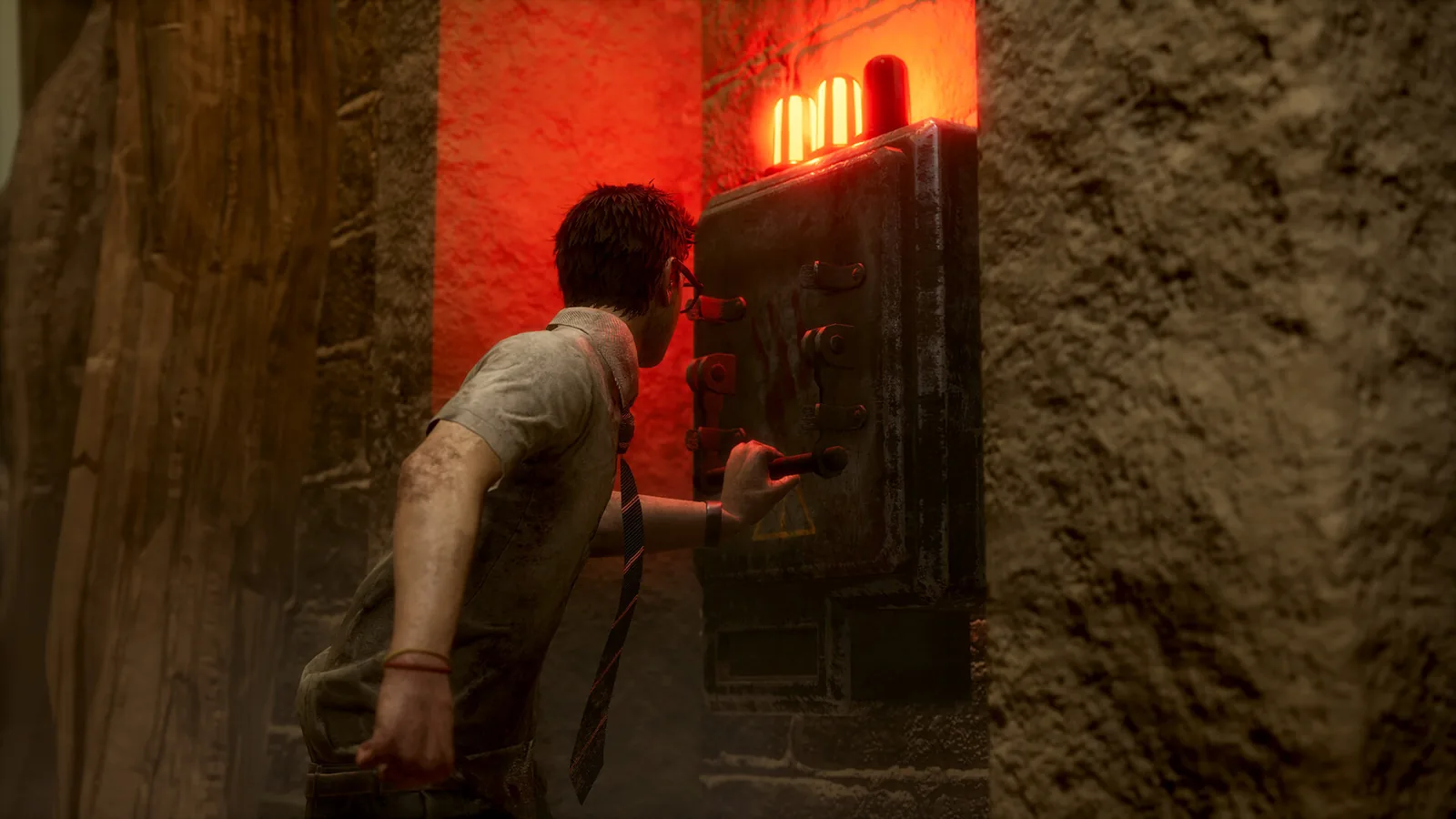
The objective is distributed, not shared. Survivors work on separate objectives in separate places, which means the killer cannot defend everything and the survivors cannot all help each other. That single decision generates the entire strategic layer, and it does it without requiring communication.
Downed survivors are a resource, not a removal. A survivor who goes down is not eliminated, they become a thing the killer has to spend time on and the survivors have to decide whether to rescue. That converts a kill into a tempo decision for both sides, which is why matches stay live longer than their state would suggest.
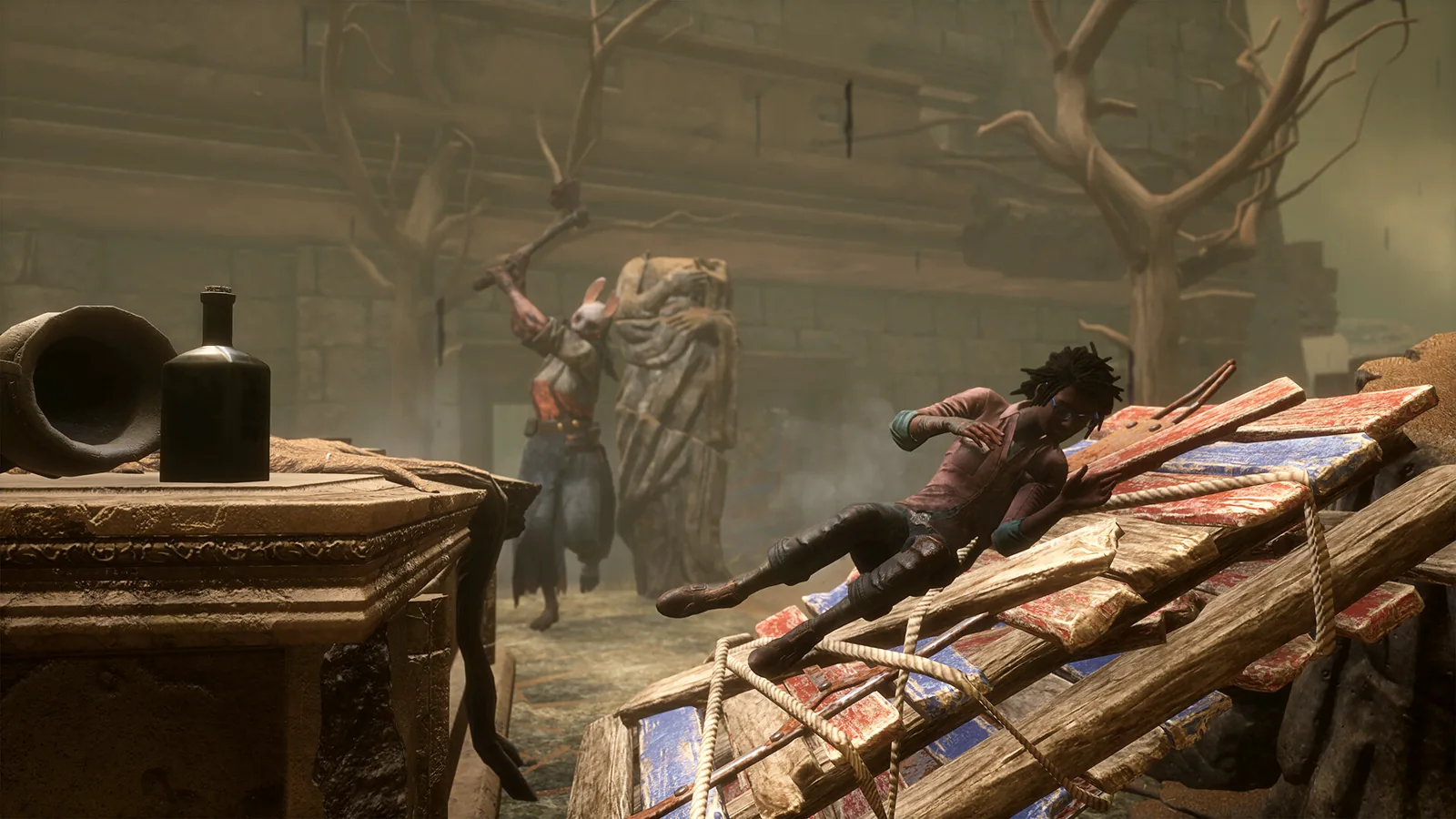
The chase is a skill floor and a skill ceiling. A new player can run away badly and survive for a few seconds. An expert can run the same loop for a minute. The gap between those is enormous and it is expressed through the same simple inputs, which is exactly what you want from a core mechanic. Our piece on teaching without tutorials covers why mechanics with that property are worth more than mechanics that need explaining.
Perks let players solve their own balance complaint. A survivor who keeps getting found takes stealth perks. A killer who keeps losing chases takes chase perks. The perk system functions as player-directed rebalancing, and it absorbs a lot of frustration that would otherwise land on the developer.
Where it stays broken
Solo versus coordinated is unpriced. This is the central unresolved problem and it has been for the life of the game. Adding in-game information tools for solo survivors narrows the gap but cannot close it, because the gap is voice communication.
New content expands the balance surface permanently. Every killer added is a new matchup for every survivor perk and every map. The combinatorial space only grows, and it is never re-tested wholesale. Our piece on patch notes as design documents covers how teams communicate changes in a space that large, and our notes on rotation and rework design cover the alternative approach of retiring content to keep the surface manageable.
Maps are the least-balanced layer. The chase loop’s difficulty depends almost entirely on the geometry around it, and map variance exceeds killer variance in most matches. A balance conversation about killers that ignores maps is measuring the wrong thing.
The general lesson
Asymmetric multiplayer is rare because the balance problem does not have a solution, only a set of trades. You cannot measure fairness with one number, you cannot fix one side without affecting the other disproportionately, and your matchmaker cannot see the single most important variable.
Dead by Daylight’s answer is to accept all of that and tune for experience quality rather than for symmetry – a kill rate that keeps the solo role viable, a perk system that lets players patch their own worst matchups, and an objective structure that keeps matches alive longer than the score suggests. It is not elegant and the community will argue about it forever, which is probably the correct outcome for a genre where the two sides are genuinely not playing the same game.
If you want the counterexample, look at how symmetric competitive games spend their design budget instead – our piece on draft phase design covers a genre that solves asymmetry by creating it fresh each match, under rules both teams agreed to.
Images: Dead by Daylight project gallery.