Geophilic 3.7 shipped on 24 September with two changelog lines: updated to Minecraft 26.3, and fixed a bone meal issue. For a mod with more than ten million downloads, that is a release worth two minutes of attention rather than twenty – but the bone meal line is the one to check if you run it.
What Geophilic does
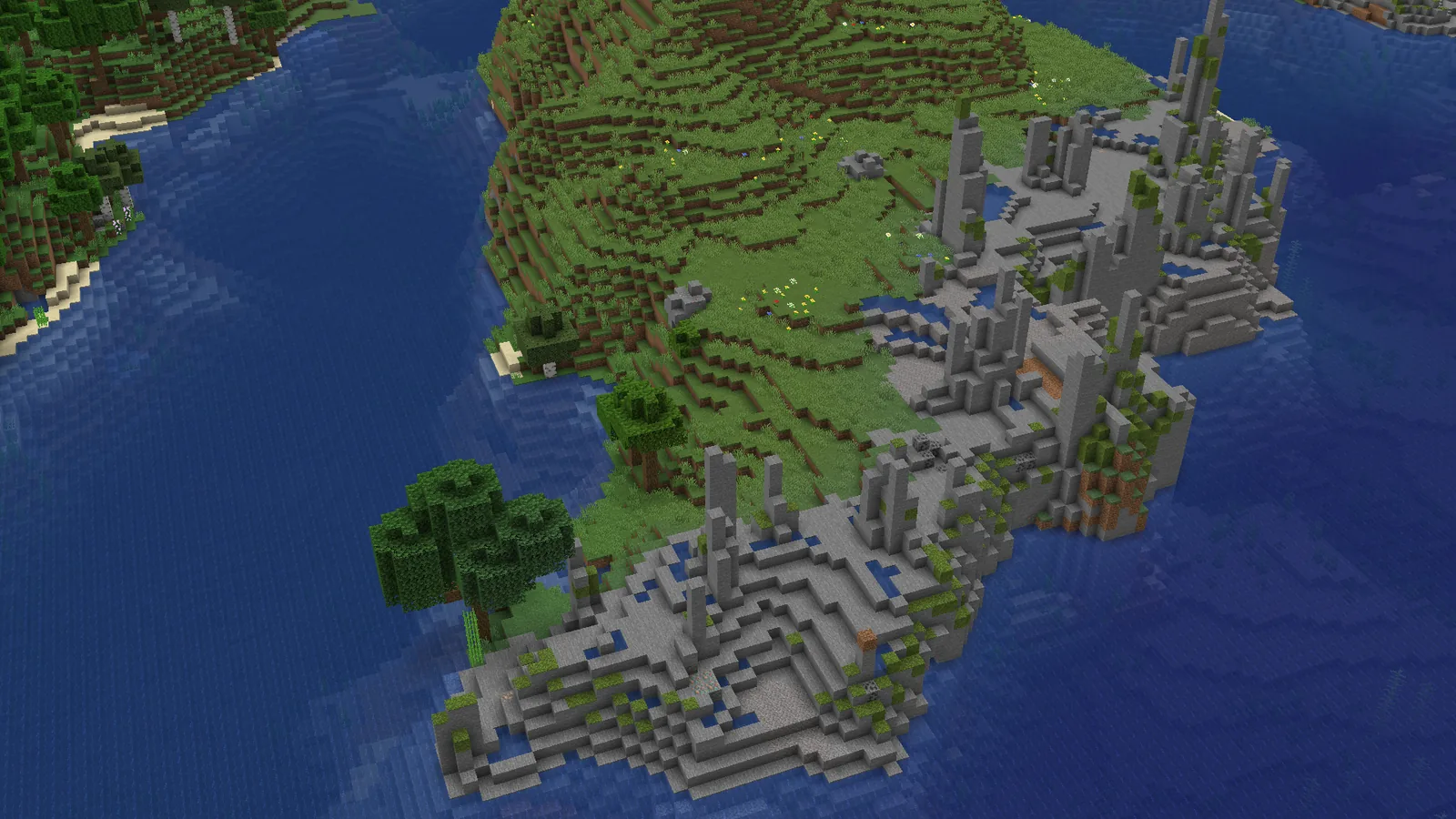
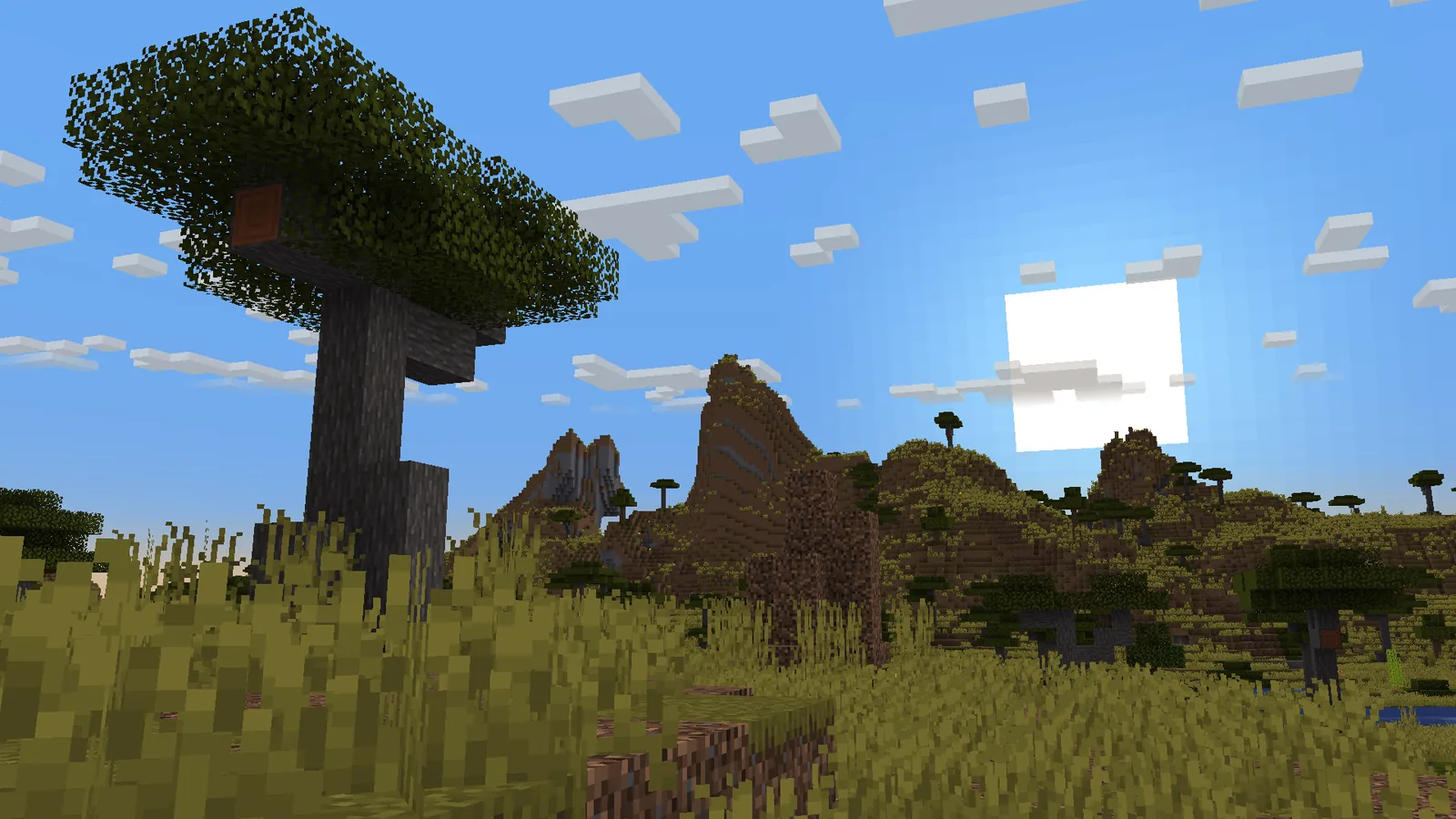
Geophilic is a vanilla-plus biome overhaul. It does not add biomes. It reworks the ones already in the game using only vanilla blocks, so a plains biome gets more varied grass and scattered features, a desert gets more surface texture, a swamp gets more mess. The point is that the world looks hand-finished without looking like a different game.
That restraint is why it sits in so many modpacks. A mod that adds twenty new biomes needs the rest of your worldgen stack to accommodate it. A mod that only decorates existing ones usually just works.
The version spread
3.7 covers an unusually wide range in one file: everything from 1.20 through 26.3, on Fabric, Forge, NeoForge and Quilt, with a separate datapack build covering an even longer list including snapshots.
That is possible because Geophilic is mostly data. It is closer to a curated worldgen datapack with a loader wrapper than to a code mod, which is also why it ports quickly and why it rarely breaks. The datapack variant is the one to use if you want the effect on a server without asking players to install anything client-side.
The bone meal fix
The changelog says “fixed bone meal issue” and nothing else, which is frustrating but tractable. Biome overhauls that modify surface vegetation typically touch the block-state configuration that bone meal uses to decide what to grow on a given block in a given biome. Get that wrong and bone meal either does nothing or produces vegetation that does not belong.
If you have been playing on an earlier 3.x build and bone meal on grass has felt off – wrong flowers, no growth in a particular biome – this is very likely the fix. It is worth testing deliberately after you update rather than assuming, because the symptom is easy to attribute to a different mod. Anyone who leans on bone meal for a farming setup will notice quickly either way.
Where it sits against the alternatives
The vanilla-plus biome space is crowded, and the mods in it are not really substitutes for each other.
- Geophilic – decorates vanilla biomes, adds nothing new, minimal footprint.
- Terrain overhauls – change the shape of the world itself: mountains, valleys, cave systems.
- Biome-adding mods – insert new biomes into the generator, which changes the biome distribution everywhere.
Geophilic stacks with both of the others, which is unusual and is a large part of its appeal. Running it alongside a terrain mod gives you reshaped land with better surface detail; the two are operating on different layers. The Terralith and Tectonic comparison covers what the terrain layer is actually doing underneath.
Against a full vanilla overhaul it is the conservative choice. If you have found the mod itself too subtle in the past, the answer is usually to add a terrain mod rather than to replace Geophilic.
Adding it to an existing world
Like all worldgen mods, it only affects chunks generated after installation. Existing chunks stay as they were, which means a visible seam at the border of your explored area.
Because Geophilic only changes surface decoration rather than terrain shape, that seam is far less jarring than it would be with a terrain mod – you get a line where the flowers change rather than a cliff. It is one of the few worldgen mods that is genuinely reasonable to add mid-world, though the usual precautions for existing worlds still apply.
Update or wait
Update. It is a small file, it has no dependencies, the fix addresses a real gameplay behaviour, and 3.7 covers every branch you might be on, so there is no version-matching risk.
The only reason to hold is if you are mid-project on a heavily modded 26.2 pack and do not want to touch the worldgen layer at all. In that case note that 3.7 also covers 26.1.2 and 26.2, so you can take the bone meal fix without moving game versions.
Datapack or mod?
Geophilic ships both, and the choice is worth a minute. The mod build loads through Fabric, Forge, NeoForge or Quilt and behaves like any other mod: installed per client and per server, visible in the mod list, updated with the rest of your jars.
The datapack build drops into the world’s datapacks folder and applies server-side only. Players connecting to that server need nothing installed. For a vanilla-adjacent community server, that is a significant advantage – you get the biome improvements without asking anyone to run a modded client.
The tradeoff is that datapacks are per-world rather than per-install, so you apply it once per world and it travels with the save. For a single long-running server that is fine. For someone who makes a lot of test worlds, the mod build is less work.
Images: Geophilic project gallery.