The usual argument about difficulty settings is framed as accessibility versus authorial intent, and both sides are arguing about the wrong thing. A difficulty slider is not a philosophical position. It is a request to re-tune a system that was designed at one tension, and most of them are implemented by multiplying two numbers.
What an easy mode usually does
Enemy health down, player damage taken down. Occasionally enemy count down. That is the standard implementation and it is cheap, which is why it is standard.
It also barely works, because those numbers are not what made the game hard. If a player is dying because they do not understand an attack pattern, halving the damage means they survive four mistakes instead of two and still never learn the pattern. The failure is deferred, not removed.
The player who needed help is now in a longer version of the same problem, and the game has told them nothing new.
What difficulty actually consists of
Four separable things, and a slider that moves only the first is doing a quarter of the job.
Punishment. What a mistake costs. Health, progress, time. This is the one everyone tunes.
Legibility. How clearly the game tells you what is about to happen. Wind-up animations, audio cues, telegraphs. Hard games are frequently more legible than easy ones, not less.
Demand. Execution speed, precision, reaction time. This is where most accessibility need actually lives.
Complexity. How many things you have to track simultaneously.
A player struggling with demand and a player struggling with complexity need opposite adjustments, and a single slider gives them the same one.
Why separate toggles beat a slider
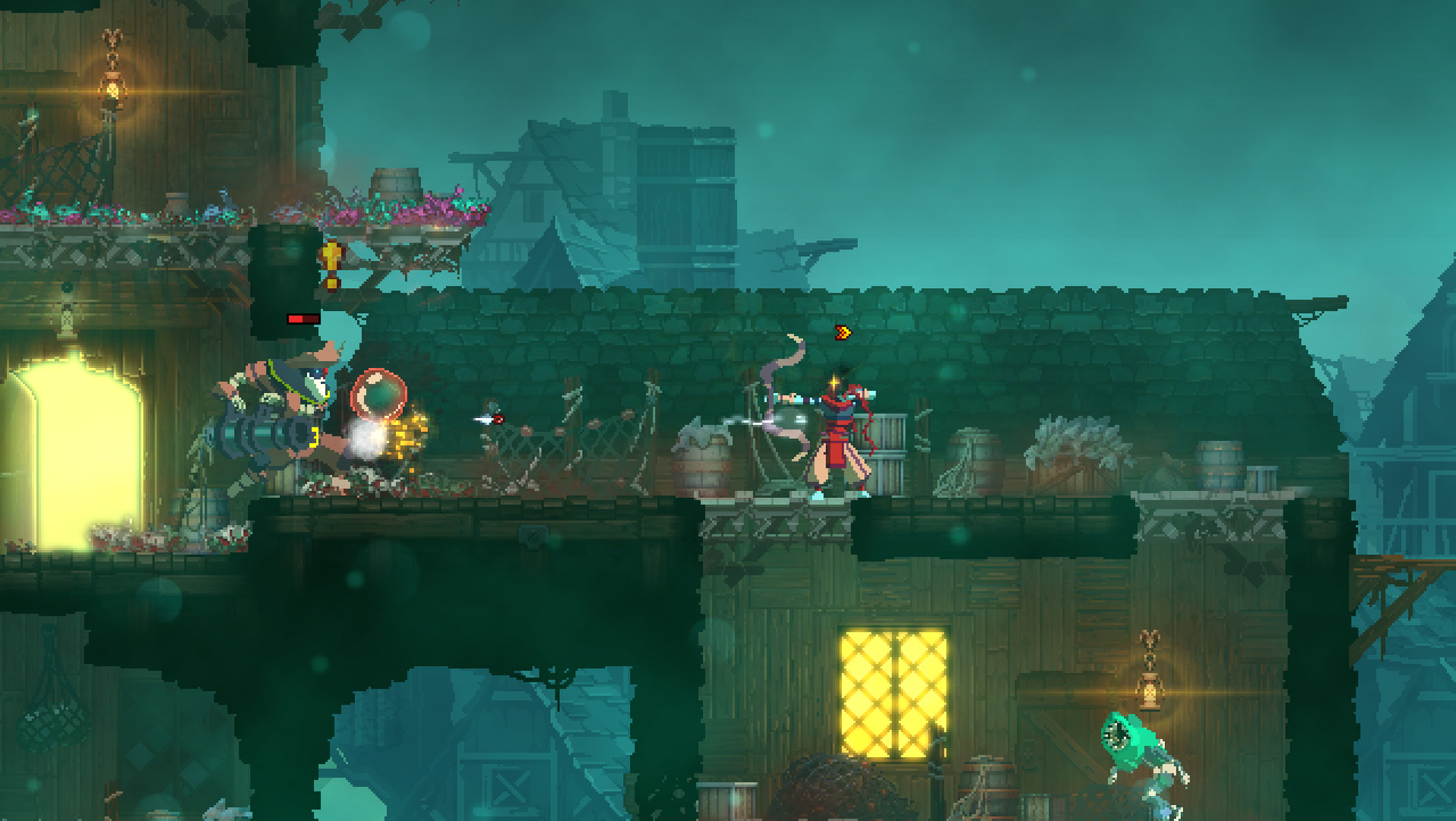
Games that let you adjust these independently – slow time, aim assist, skip a section, reduce enemy count without reducing enemy damage – consistently produce better outcomes than a three-position difficulty menu, for a reason that is not really about accessibility.
A slider asks the player to self-assess before they have played. Toggles let them respond to the specific thing that is blocking them, after it has blocked them. The first is a guess; the second is a fix.
It is also more honest about what is being changed. “Easy” tells you nothing. “Enemies deal 50 percent damage” tells you exactly what you traded away, which matters if you care about whether you beat the game.
The level design answer
The best version of difficulty adjustment is not a setting at all. It is a level built so that the player can choose their own exposure – an optional route, a position that is safer and slower, an enemy that can be avoided.
When a space offers a cautious line and an aggressive one, the player picks their difficulty by playing, continuously, without a menu. That is strictly better than a setting because it adjusts per encounter rather than per playthrough.
It is also far more expensive to build, which is the whole reason difficulty sliders exist. A multiplier is one line of code; a second route through every encounter is a second level. Studios ship the multiplier for the same reason they ship a tutorial level instead of a first hour that teaches through its geometry.
Where the authorial-intent argument is right
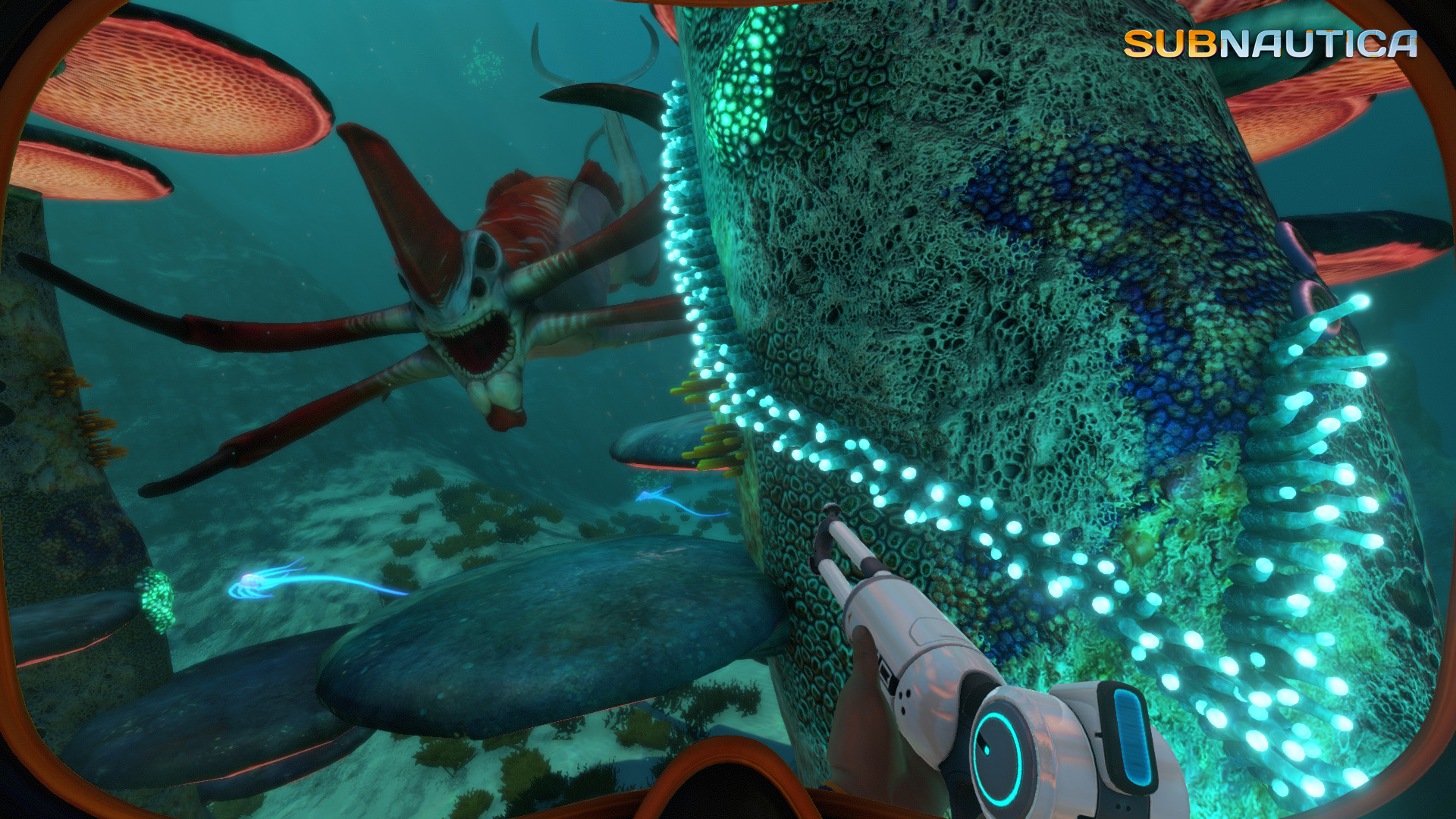
There is a category of game where difficulty is the content. Not because the designer wants you to suffer, but because the emotional shape of the experience depends on the player having been genuinely unable to proceed for a while.
In those games an easy mode does not make the game more accessible. It makes a different game, which happens to share assets with the one the designer built. That is a legitimate thing to decline to ship, and it is different from declining out of pride.
The test is whether removing the difficulty removes the point. In a puzzle game, the difficulty is the point – you cannot add an easy mode to a deduction game without deleting it, which is why games built on deduction tend not to have one. In a story-led action game, it usually is not.
What players are actually asking for
Very few people who ask for an easy mode want the game to be trivial. They want to stop being blocked. Those are different requests and the second one has better solutions – a checkpoint closer to the failure, a skip after several attempts, a hint, a route around.
Roguelikes already solved a version of this and called it something else. Permanent progression exists so that a losing run still advances something, which is the same need served by a different mechanism – and it carries the same risk of solving the wrong half, which is what meta-progression gets criticised for.
A designer’s checklist
- Which of the four is the player actually struggling with?
- Does the adjustment teach them anything, or just extend their survival?
- Can the level offer the choice instead of the menu?
- Does removing the difficulty remove the point of the game?
- Is “easy mode” the request, or is “stop being stuck” the request?
Question five is the one worth asking first, and it is the one that almost never gets asked.
Images: Dead Cells, Hollow Knight and Subnautica project galleries.