What this pack does
It raises the texture resolution to 32 pixels per block and adds surface detail – grain, roughness, wear – while keeping colours close to vanilla, so a world built in it still reads as Minecraft rather than as a different game.
Key takeaways
- Detail without a palette shift, which is rare in the realistic category.
- 32x is four times vanilla’s texture data, so there is a real memory and load cost.
- It is designed to be used with shaders, and looks flatter without them.
Key features
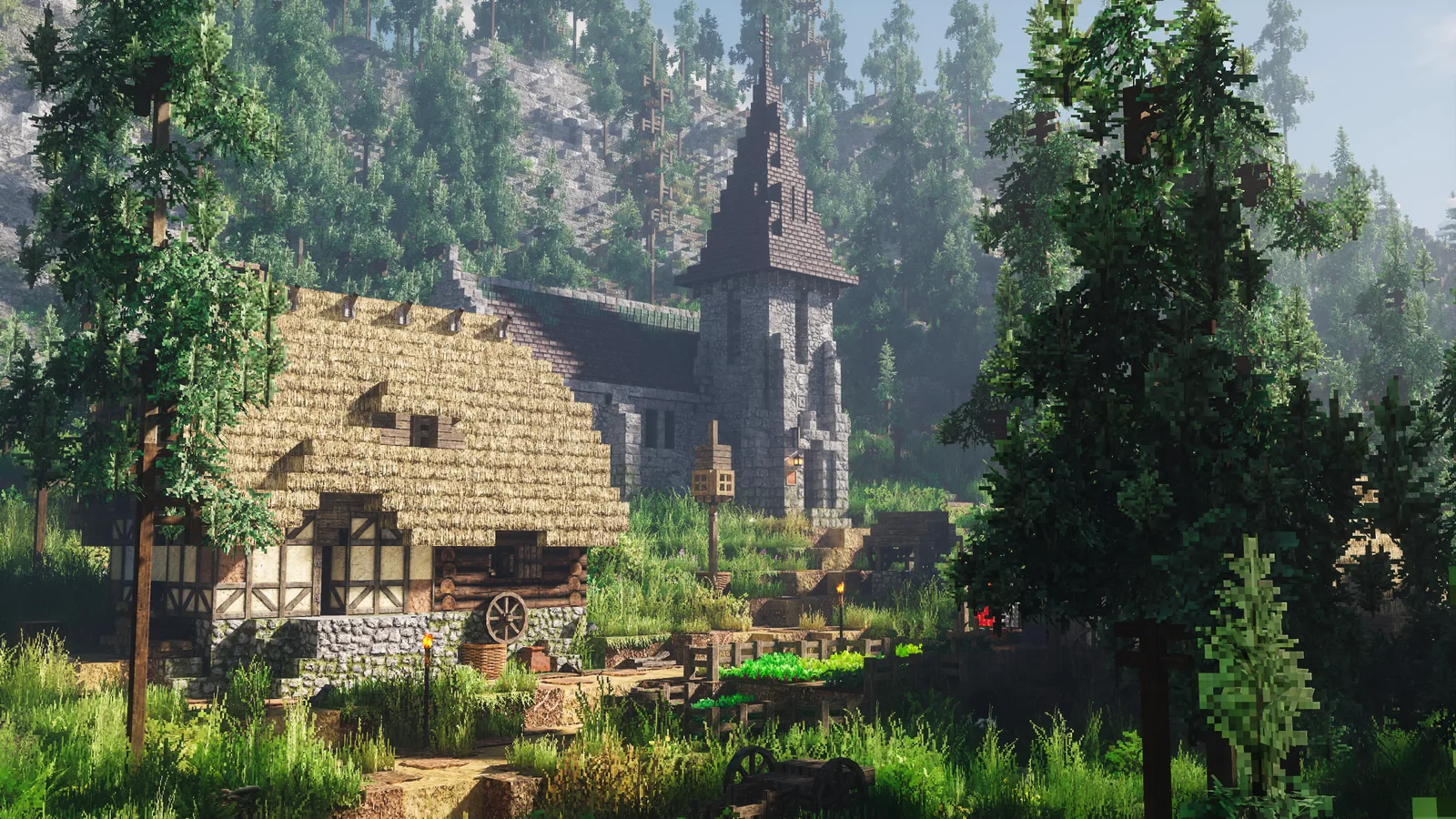
The important design decision is colour fidelity. Most realistic packs desaturate, which makes a build you spent a weekend on look wrong – a palette chosen in vanilla no longer has the contrast you chose it for. Keeping the hues means existing builds still work.
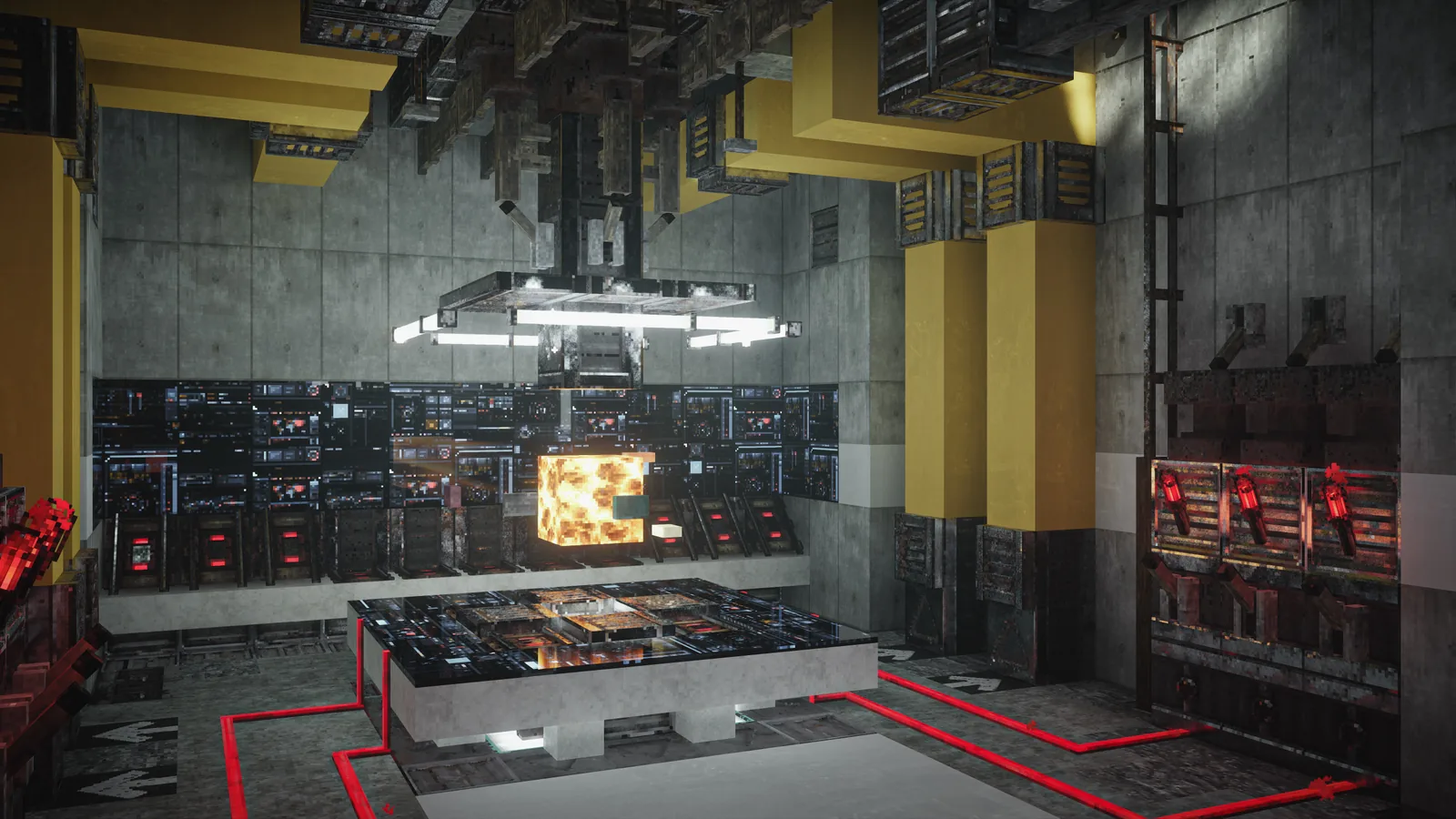
The detail work is concentrated where it is visible: stone variation, wood grain direction, and the transitions between materials. At 32x there is room for that without the noise a 64x or 128x pack introduces on every surface.
Compatibility
It expects a modern renderer and benefits heavily from shaders. On a plain vanilla client without shaders, the extra surface detail reads as texture noise rather than as depth, and the pack looks busier rather than better.
Memory use rises with resolution. On a machine already short of headroom, a 32x pack plus shaders plus a mod list is the combination that produces stutter.
How to install
Standard resource pack installation. If you use shaders, install them first and confirm they run at an acceptable frame rate before adding the texture pack, so you know which change cost you what.
Is it worth installing
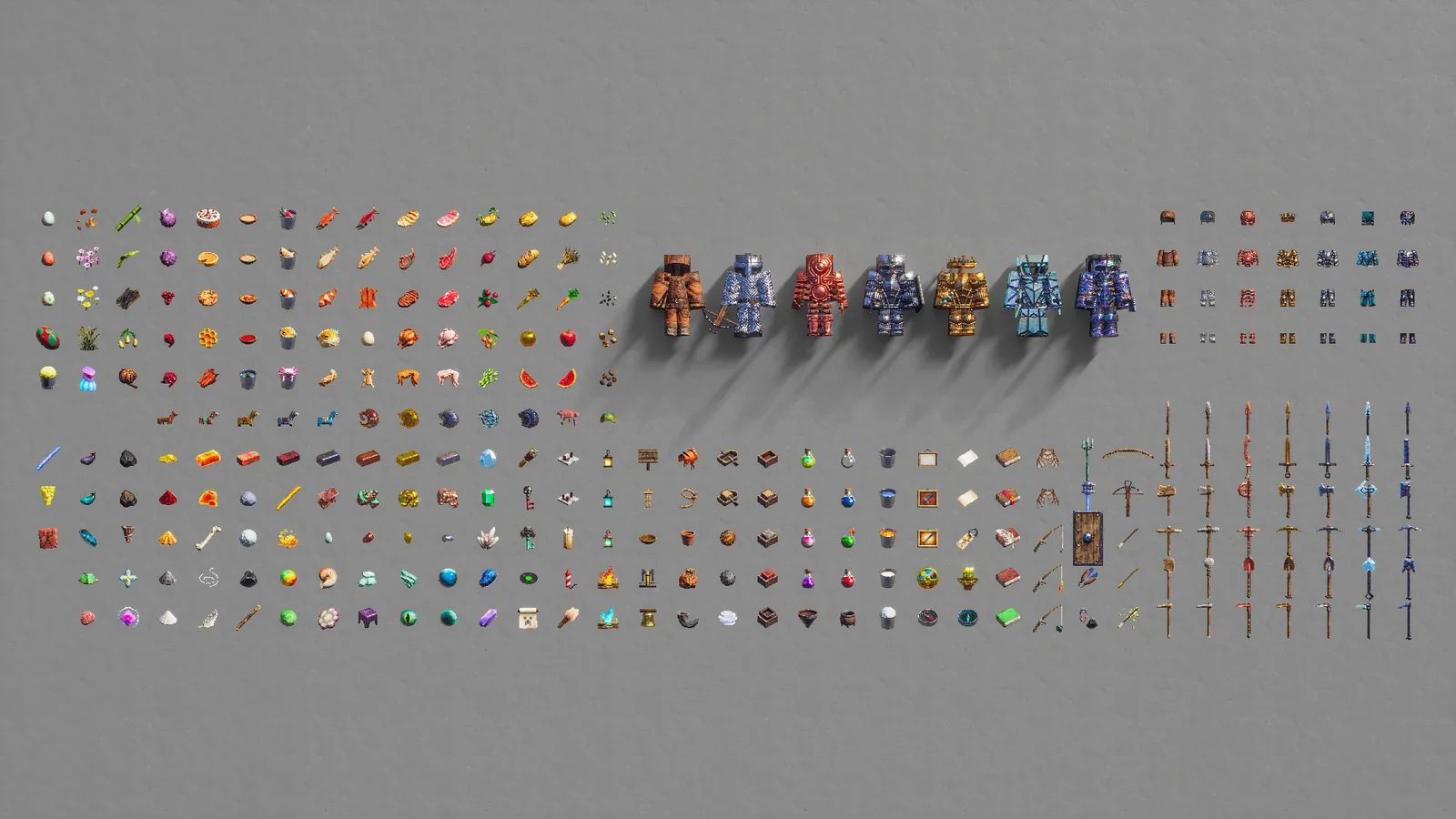
For a player running shaders on capable hardware who wants more surface detail, it is one of the better-judged packs available – the restraint on colour is the thing most of its competitors get wrong.
For a vanilla client on modest hardware, no. The pack is designed for a lighting model you are not running, and the cost lands anyway. The lighter alternative is a pack that changes the interface only, covered in the Mandala’s GUI review.
The PBR question
Realistic packs at this resolution usually ship with normal and specular maps intended for shaders that support them. Without a shader pack that reads those maps, you get the base textures only – still an improvement in detail, and missing most of what the pack was designed to deliver.
That is the single most common disappointment with packs in this category: installed without shaders, judged, and removed.
Performance in practice
Texture memory scales with the square of resolution, so 32x uses four times vanilla’s texture data. On its own that is manageable on most modern hardware. Combined with a shader pack and a forty-mod list, it is the third straw.
If frame rate drops after installing, test by removing one variable at a time rather than all three – the same measure-first approach as the culling explainer.
What it does to existing builds
Because the colour work is conservative, a palette chosen under vanilla textures still reads correctly. That is not true of most realistic packs, and it is the practical reason to prefer this one if you have builds you care about.
Check one wall before committing a whole world. Stone variants and wood families are where the differences show up first.
Verdict
A well-judged pack for a specific setup: modern hardware, shaders installed, and a player who wants more surface detail without a different colour world. Outside that setup, the lighter options do more for less, and a GUI-only pack is the zero-risk alternative.
Installing it on a modest machine
If you want the detail and the hardware is marginal, the workable compromise is the texture pack without shaders and with a renderer replacement installed. You lose the lighting model the pack was designed around and keep the surface work, at a cost most machines can absorb.
The performance mods that make that viable are covered in the performance roundup.
Verdict
Recommended for a shader setup on capable hardware, skippable otherwise. The colour restraint is what makes it a safe choice for a world with builds you care about, and that is a genuinely rare property in this category.
Where 32x sits historically
For years the realistic category raced upward – 64x, 128x, 256x – on the assumption that more resolution was strictly better. The packs that survived are mostly the moderate ones, because they kept the game readable while adding material character.
32x has ended up as the practical middle: enough pixels for grain and wear, few enough that a wall still reads as one material from thirty blocks away. That is not a compromise so much as the point where the two goals stop fighting.
Images: Patrix 32x project gallery on Modrinth.