Key points
- Distant Horizons 3.3.2 landed on 21 September for 26.3 and 26.2, on both Fabric and NeoForge.
- Iris support on 26.3 is improved, though the changelog is explicit that some fixes may still be needed on the Iris side.
- Separate Sable Render Distance 1.8.6 and below is now marked incompatible because of the reverse-Z depth change.
- The mod API moves from 7.1.0 to 7.2.0, and API users can now identify themselves when they override a config value.
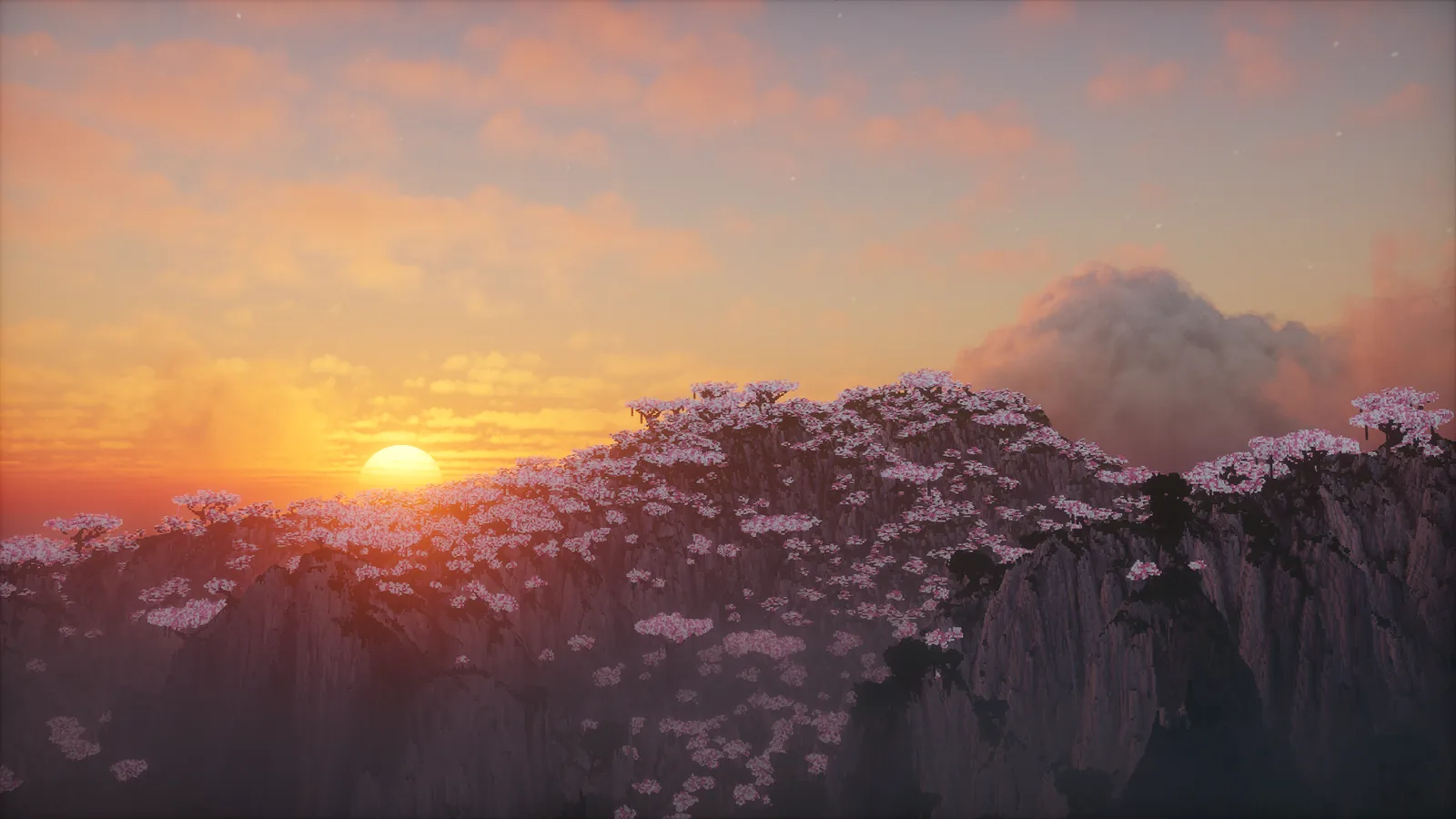
Distant Horizons is the mod that draws level-of-detail terrain past your render distance, so the world keeps going instead of ending in a wall of fog. Version 3.3.2 is a maintenance release on the surface and a compatibility release underneath.
The reverse-Z change and what it broke
Distant Horizons switched to rendering with reverse-Z depth, which is a standard trick for improving depth-buffer precision at long ranges. When your far plane is measured in thousands of blocks rather than hundreds, floating-point precision at distance becomes the limiting factor, and reversing the depth range spends that precision where it is actually needed.
The cost is that anything else touching the depth buffer has to know about it. Separate Sable Render Distance 1.8.6 and below does not, so 3.3.2 marks those versions incompatible outright rather than letting them render incorrectly and generate bug reports. That is the right call, but it means one of your mods may now refuse to load together with DH until its author ships an update.
Iris support on 26.3
The highlights list “Improve Iris support for MC 26.3” alongside a caveat: some fixes may still be necessary on Iris’s end as of Iris 1.11.6. Iris 1.11.6 itself shipped on 15 September and was mostly a macOS loading fix on top of the 1.11.5 version bump to 26.3.
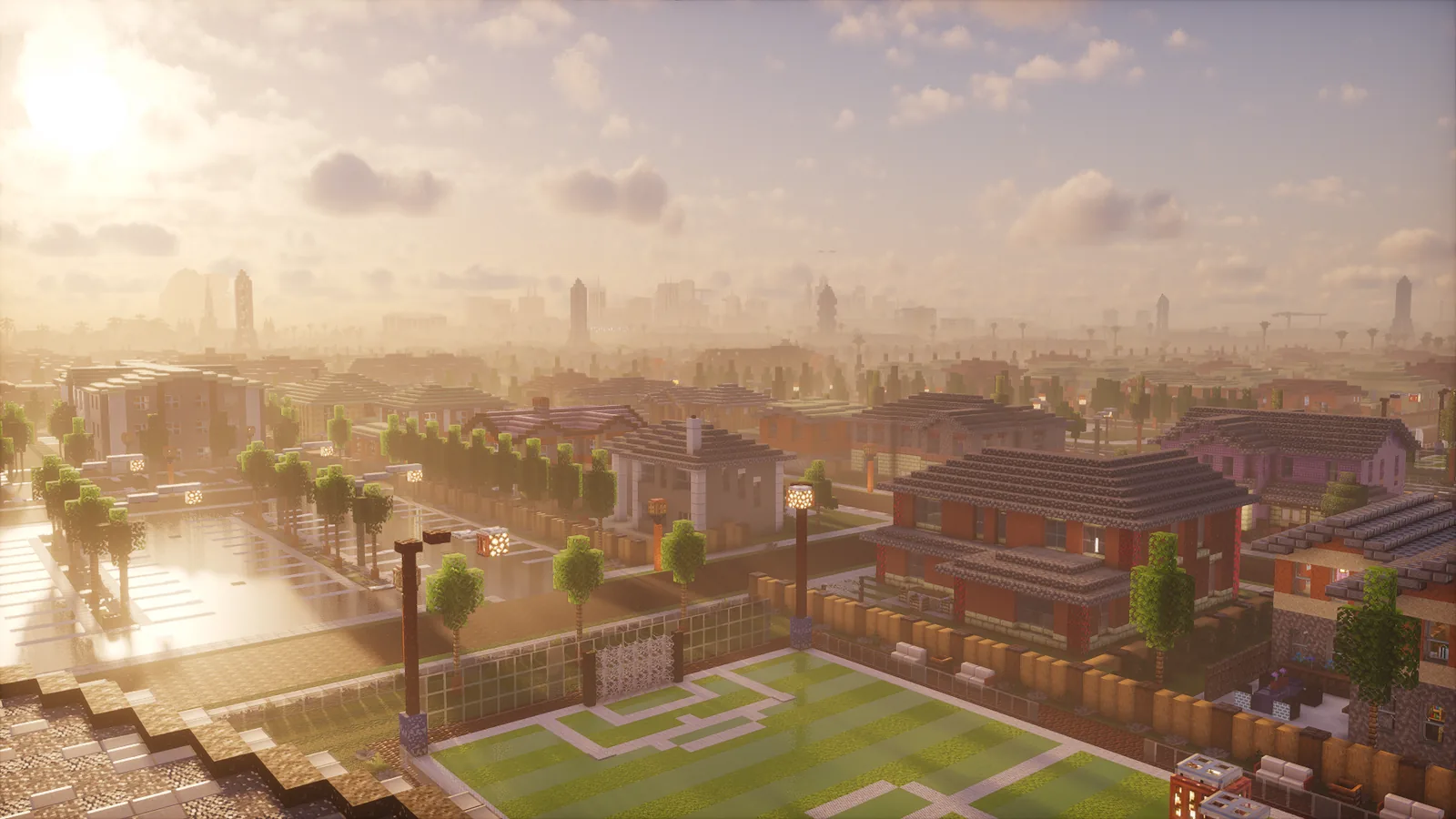
In practice this means DH plus shaders on 26.3 is in a workable but not finished state. The combination has always been the hardest thing DH does, because a shader pack expects to own the depth and normal buffers and DH is drawing geometry that vanilla never produced. If you run a heavy shader pack, test before you commit a world to it.
A separate fix in the same release applies the Iris frame-buffer depth fix to Oculus on 1.20.1, which is the Forge-side equivalent for players still on the older branch.
Server-side changes
Two of the less visible entries concern dedicated servers. The server thread health check logic was improved generally, and the same check was added for 1.12.2. Distant Horizons has a server component that streams LOD data to clients, and a stalled worker thread there shows up to players as terrain that simply stops appearing. Health checks turn a silent hang into a log line.
If you run DH server-side on a community world, this is the entry that matters to you. It pairs sensibly with the rest of a server performance mod stack rather than replacing anything in it.
The API bump
API version 7.1.0 moves to 7.2.0. The user-facing part of that: when another mod is controlling a Distant Horizons config value, the API can now report which mod is doing it. Older API consumers show up as “UNKOWN” – the typo is in the changelog – and log a warning.
This is small but genuinely useful for support. A recurring class of DH bug report is “my render distance setting does nothing”, and the answer is nearly always that a modpack config or another mod is overriding it. Naming the culprit in the UI turns a two-day forum thread into a five-second check.
Should you update
If you are on 26.3 and not running Separate Sable Render Distance, yes. The Iris work alone is worth it, and nothing in the changelog suggests risk.
If you are running SSRD below 1.8.7, hold until it updates, or drop it. Two mods fighting over the depth buffer is not a configuration you can tune your way out of.
If you are still on 26.2, 3.3.2 shipped for that branch on the same day with the same highlights, so you are not being left behind by staying put. That is worth knowing for anyone who has deliberately paused a world while the 26.3 mod ecosystem settles.
Context: why DH keeps needing these patches
Distant Horizons is unusual among performance mods in that it adds geometry rather than removing work. Culling mods, chunk-loading mods and memory mods all make the existing pipeline cheaper. DH builds a second, coarser world and draws it behind the real one, which means it has to coexist with every other mod that cares about how the frame is assembled.
That is why its changelogs are dominated by compatibility entries rather than features, and why a release like 3.3.2 – four compatibility items and one API bump – is a healthy sign rather than a thin one. The feature set has been stable for a while; the work now is keeping it standing while the renderer underneath keeps moving.
Images: Photon Shaders project gallery.