Key takeaways
- Adds vertical structures – lighthouses, outposts, temples – across the Overworld and Nether
- Build quality is closer to a good player build than to vanilla’s generated structures
- Deliberately loot-light, so it does not disturb survival progression
There is a particular kind of disappointment in Minecraft exploration: you see a structure on the horizon, you walk to it, and it turns out to be nine blocks of cobblestone arranged by an algorithm. Vanilla’s generated structures are functional rather than designed, and the gap between them and what a decent player builds is wide.
Structory: Towers is an attempt to close that gap. It is an add-on to the Structory pack focused specifically on vertical structures, and its defining quality is craftsmanship – these look like buildings rather than like generation output.
What is in it
- Coastal lighthouses, which give shorelines a landmark
- Desert outposts standing alone in dune fields
- Warped outposts built in the Nether
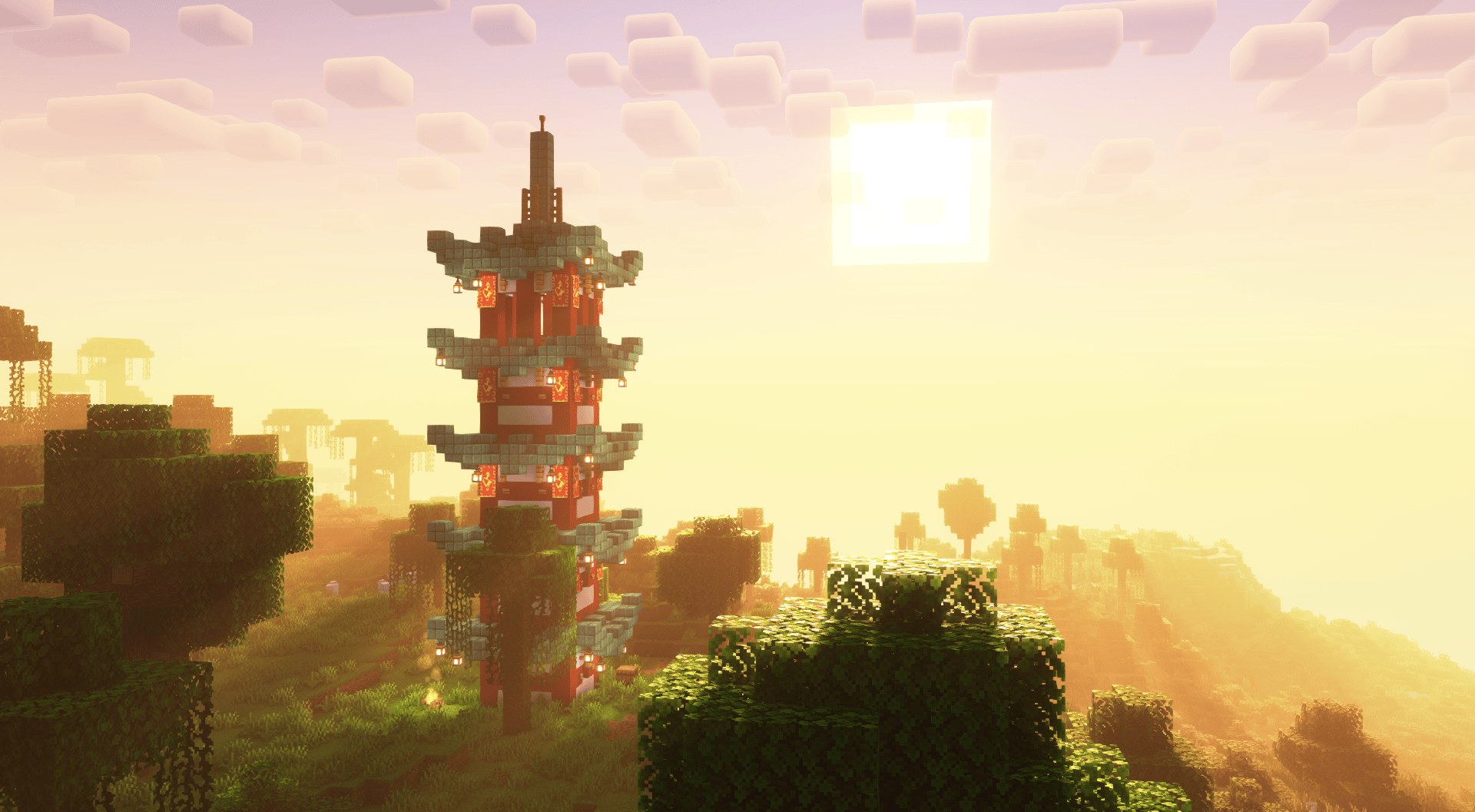
- Sacred relic temples with columns and interior structure
The set is small. That is intentional – a handful of well-made structures placed sparsely reads better than a large set placed densely, because rarity is part of what makes finding one feel like anything.
The build quality is the whole pitch
Block palettes are mixed rather than uniform. Structures have interiors that make sense. Shapes are asymmetric in the way real buildings are, and there is weathering – broken sections, partial collapse, overgrowth – that implies the structure has a history.
That last part is the hardest thing to do in generated content and the thing this pack does best. A ruin that looks ruined rather than merely incomplete is a design achievement, and it is why these structures hold up when you walk inside them rather than only from a distance.
The loot decision
Structory’s packs are deliberately light on rewards. You will not find enchanted diamond gear in a lighthouse. The loot is modest and thematic, and that is a design position rather than an oversight.
The reasoning is sound. Structure mods that hand out strong loot end up restructuring your progression – you stop exploring because it is interesting and start exploring because it is efficient, and the survival curve flattens. Keeping rewards low means these structures compete for your attention on the strength of being worth looking at.
Whether you want that depends on why you explore. If you want exploration to pay, this mod will frustrate you and a dungeon mod like YUNG’s Better Dungeons is the better fit.
The Nether tower is the standout
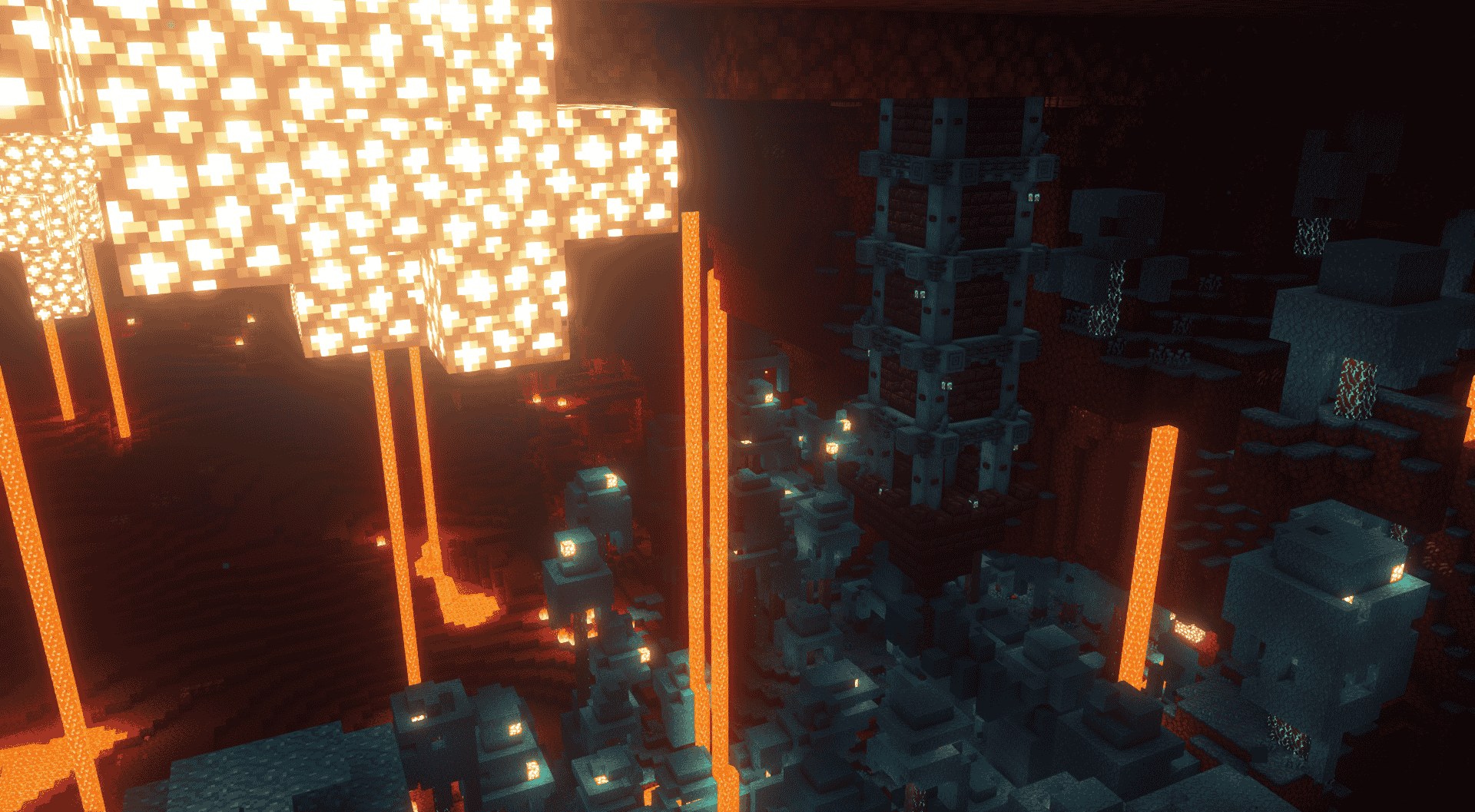
Of the four structure types, the warped outpost is the one that changes a dimension rather than decorating it. The Nether is architecturally monotonous once you have seen a fortress and a bastion, and a vertical structure built in a non-vanilla palette gives it a third kind of thing to find. It is also the hardest place to build something that reads clearly against the background, which makes it the best demonstration of the pack’s palette work.
How it sits with other structure mods
Well, and by design. Because the placement is sparse and the structures are small, it layers with almost anything. The natural stack is a terrain mod for landforms, a village mod for settlements, a dungeon mod for destinations, and Structory for the quiet landmarks in between.
It also works alongside Explorify, which occupies a similar niche with a different emphasis – Explorify is about frequency, Structory is about quality. Running both gives you a lot of small things and a few good ones, which is roughly the right distribution.
Performance
Effectively free. The structures are small, hand-built and placed rarely, so there is no meaningful generation cost and nothing to tune. This is the cheapest category of worldgen mod there is, which is part of why packs stack several of them without trouble.
Terrain, seeds and existing worlds
No terrain changes and no biome changes, so seeds still produce the same world and vanilla structures generate where they always did. The new structures are added on top, in newly generated chunks only.
That makes it one of the lowest-risk worldgen additions available. If you want to try one structure mod on a world you already care about, this is a reasonable first choice, with the standard understanding that you will have to travel to see anything.

Is it worth installing?
If you build, yes – and for a reason beyond exploration. These structures are a reference library. Walking through a well-made generated building and looking at how its palette is mixed and where its asymmetry sits is a faster way to improve your own builds than reading about it.
If you play for progression and loot, it will do very little for you. It is deliberately not that mod, and it will not become that mod if you wait.
One closing thought: the most interesting thing about Structory is that it demonstrates how much of Minecraft’s structure problem is a content-quality problem rather than a systems problem. Nothing here required new mechanics. Somebody just built the buildings properly.
Source
Images and project details from the Structory: Towers page on Modrinth.