Key takeaways
- Redesigns vanilla dungeons and adds Catacombs, Fortresses of the Undead and Spider Caves
- Optional small Nether dungeons, disabled by default and enabled in the config
- Fabric, Forge and NeoForge, and designed to be compatible with other worldgen mods
Vanilla Minecraft’s dungeon is a five-by-five room of mossy cobblestone with a spawner in the middle and two chests. It has been that since Alpha, and it is one of the few pieces of the game that has never been revisited. You find one, you break the spawner, you take the loot, and you never think about it again.
YUNG’s Better Dungeons treats that as a problem worth solving properly. It rebuilds the vanilla dungeon and adds three new structure types with actual layouts, and the result is that underground exploration gets a destination instead of a series of interruptions.
What this mod does
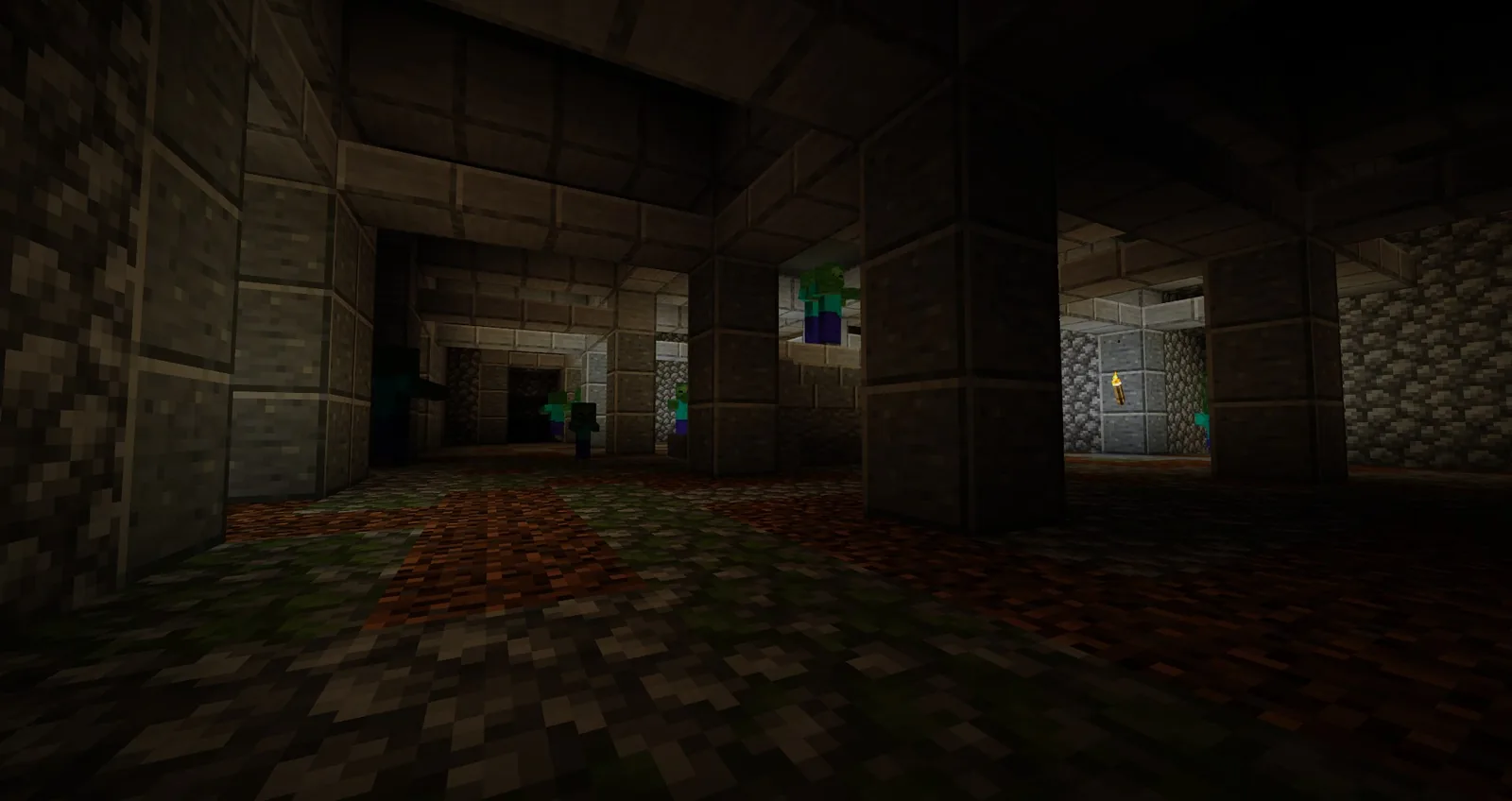
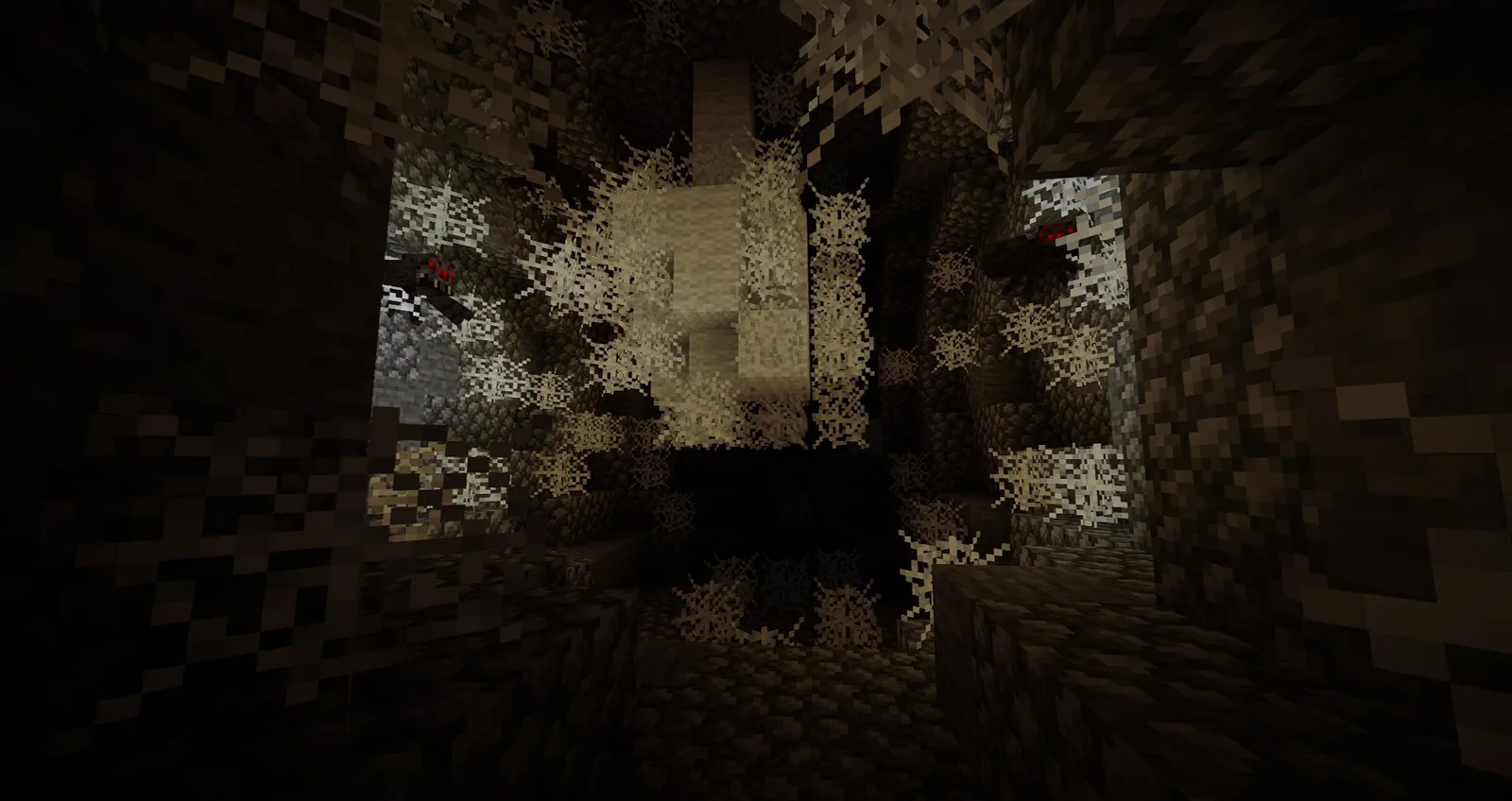
Four things. Vanilla dungeons get a redesign so they are larger, more varied and worth walking into. Catacombs are multi-floor structures with a surface entrance and levels going down. Fortresses of the Undead are large above-and-below-ground complexes. Spider Caves are cobweb-filled cave systems with nesting rooms.
The structural difference from vanilla is that these have shape. A catacomb has a layout you navigate rather than a room you enter, which means the mod changes the pace of a session – you commit to clearing something instead of collecting a chest in passing.
The structures, individually
Catacombs
The flagship. A surface entrance leads down through multiple floors of corridors, chambers and side rooms. This is the structure people install the mod for, and it is the one that feels most like a designed space rather than generated terrain.
Fortresses of the Undead
Large, hostile, and built around undead mobs. These read as a proper set piece from the outside, which matters – a structure you can see and decide to approach is more interesting than one you fall into while mining.
Spider Caves
Cobweb-choked cave systems with nesting rooms. Mechanically these are the most annoying to clear, which is the point; webs slow you down and the mod uses that deliberately rather than as an oversight.
Nether dungeons
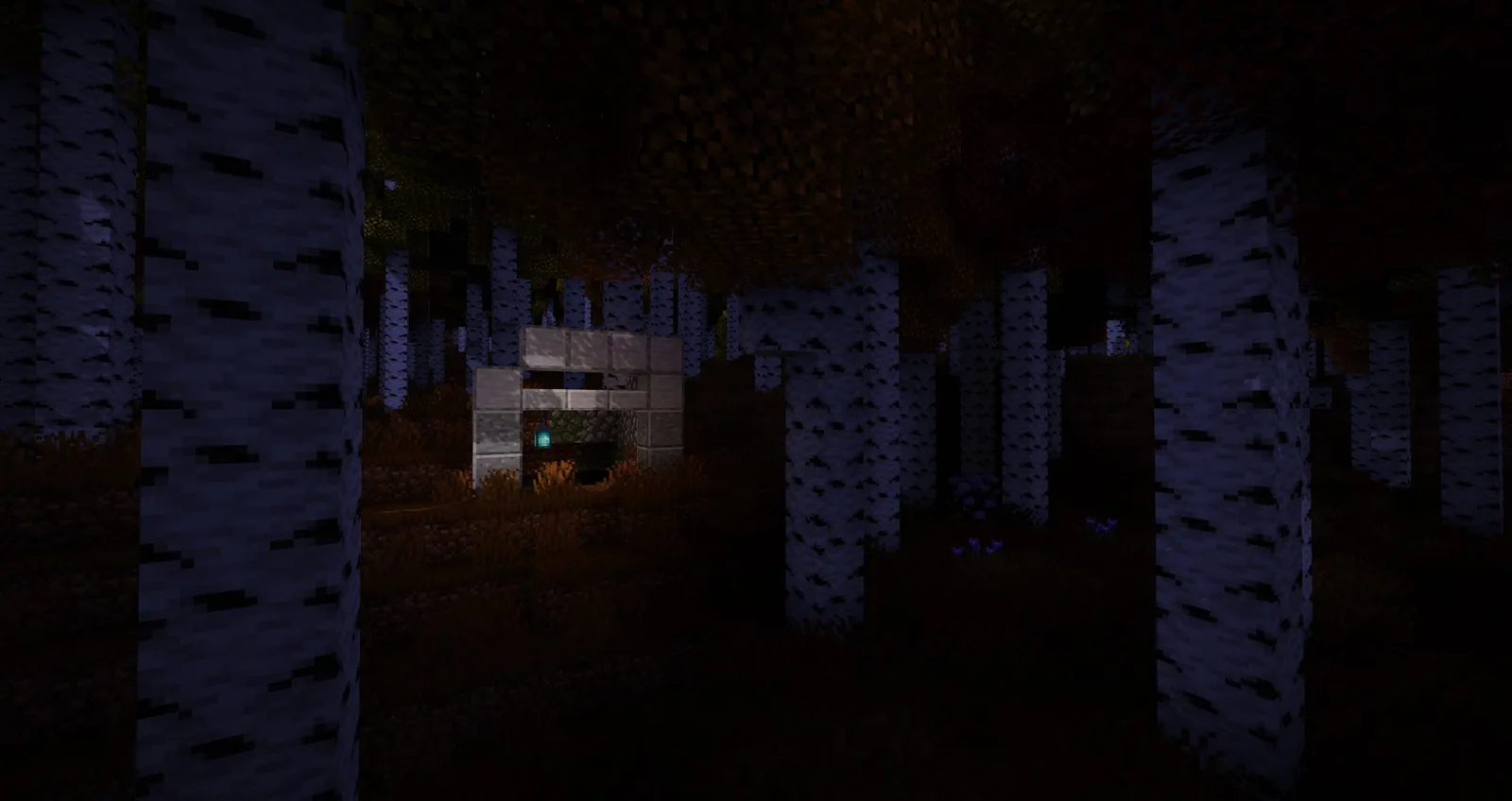
Added in the 1.19.2 build and, importantly, opt-in. They are disabled by default and have to be enabled in the mod’s config. That is a good default – the Nether is already dense, and adding structures there changes its character more than most players expect.
Compatibility
Fabric, Forge and NeoForge, tagged from 1.19.2 through the current releases. The mod is explicitly designed to be compatible with other worldgen mods, and names several in the same family – YUNG’s Better Mineshafts, Better Strongholds, Extras and Bridges, plus Repurposed Structures.
That compatibility claim is more meaningful than usual. Worldgen mods are the category most likely to fight each other, because two mods placing structures in the same chunk is a real conflict rather than a cosmetic one. A mod that has been built and tested against the other major players in its space is worth choosing over one that has not.
Repurposed Structures also offers a data pack that adds repurposed versions of this mod’s small dungeons, which is the kind of ecosystem detail that only exists around mods people actually build on.
How to install
- Install Fabric, Forge or NeoForge for your version
- Drop the jar into the mods folder along with any loader API the build requires
- Open the mod config if you want Nether dungeons – they are off by default
- Explore new chunks; existing generated chunks will not contain the new structures
- On a server, install on both client and server and restart before generating new terrain
That fourth point is the one that generates support questions. Worldgen mods only affect chunks generated after installation. Adding this to a world where you have already explored ten thousand blocks means walking a long way before you see anything.
Performance and world size
Larger structures mean more blocks written during chunk generation, so world exploration is marginally heavier and save files grow a little faster than vanilla. Neither is severe, but on a long-running multiplayer world with many players exploring in different directions it is worth knowing that the mod trades disk and generation time for content.
Is it worth installing?
If you play survival and you explore, yes. It targets the single most neglected part of vanilla’s content, and it does so without adding new items, tiers or systems to learn – the reward for clearing a catacomb is vanilla loot, found in a better place.
It is less compelling if you play technically or in a heavily built base, where you rarely generate new chunks. And it is worth installing at world creation rather than partway through, for the reason above.
One editorial observation: this mod makes vanilla’s structure design look deliberately restrained rather than lazy. Mojang has kept dungeons minimal for fifteen years, and playing with this installed makes the trade obvious – the new structures are more interesting to find and considerably more disruptive to the quiet, unstructured feel of caving. Both versions are defensible. Which you prefer says something about how you play.
Source
Images and mod details from the YUNG’s Better Dungeons page on Modrinth.