Key takeaways
- Rust forces a map wipe on every server on the first Thursday of each month, because the monthly update changes the network protocol.
- A map wipe regenerates the world and removes bases; a blueprint wipe resets learned recipes. They are separate and only the first is mandatory.
- Community servers run weekly, biweekly or monthly cycles on top of that, and the cycle a server picks defines what kind of game it is.
Most multiplayer games are built around persistence. You log in, your stuff is where you left it, and progress accumulates. Rust deletes everything on a schedule, and it has been doing that for a decade while growing.
That is a strange design to defend and a very effective one. This is a look at how the wipe cycle actually works, why forced wipes are mandatory rather than a choice, and what the cadence a server picks says about the game it is running.
The forced wipe
Facepunch ships a major update on the first Thursday of every month, and that update forces a map wipe on every server. Not recommends – forces. The patch changes the network protocol, so servers cannot skip it and keep their world.
That technical detail is the whole foundation of the design, and it is worth sitting with. The wipe is not a game rule that a server owner opts into. It is a consequence of how the update ships, which means no server can offer “we never wipe” as a selling point. Every player in the game starts over on the same day, every month.
Release times are approximate and can slip an hour or two on a heavy update, which produces one of the odder rituals in multiplayer gaming – thousands of people sitting in a queue waiting for a patch that will delete their last month of work so they can start competing for the first scrap pile.
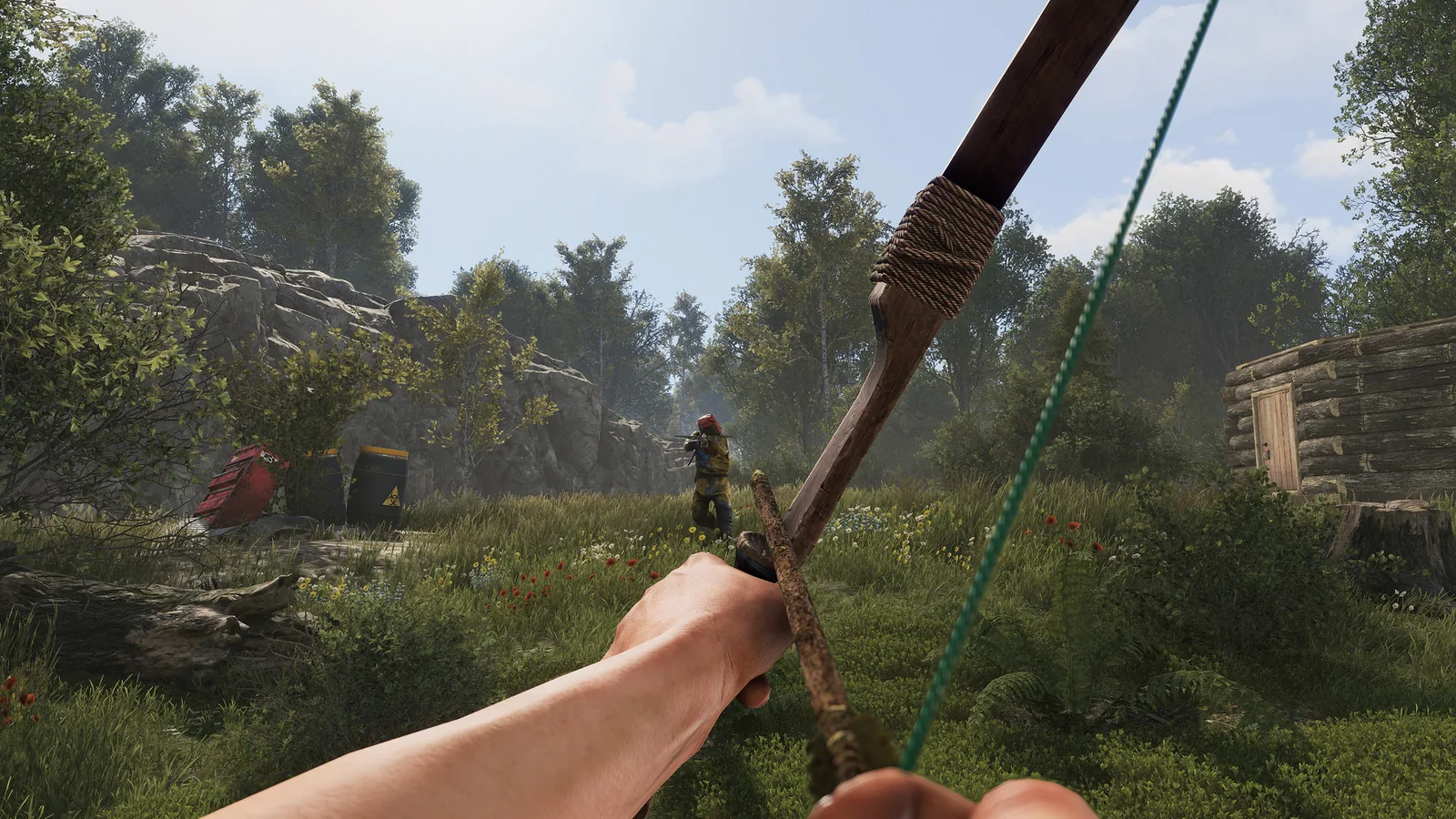
Map wipe versus blueprint wipe
Two different things, and the distinction is what gives server owners their one real lever.
Map wipe. The world regenerates. A new procedural map is created, bases are gone, loot and resources are reset. Learned blueprints are kept, so your tech progress survives.
Blueprint wipe. Every player’s learned blueprints reset. You start from scrap with nothing researched, regardless of how long you played last month.
The forced monthly wipe is a map wipe. A blueprint wipe is only strictly required when Facepunch changes the item or blueprint system, which is occasional rather than monthly. In practice most servers wipe blueprints on force-wipe day anyway, so that becomes the de facto cadence – but it is a choice, and a server can keep blueprints across months if it wants a longer progression arc.
That single choice changes the game substantially. Keeping blueprints means month two starts with everyone already teched up, which front-loads conflict. Wiping them means every month replays the full progression from rock to rifle.
The community cycles
On top of the forced monthly wipe, servers add their own. Four common patterns:
- Monthly. Map and blueprints wipe on force-wipe day only. The most vanilla option and the longest arc – a full month to build something that matters.
- Biweekly. Map wipes every two weeks, blueprints monthly. A compromise that keeps maps fresh without resetting tech.
- Weekly. Map wipes every week, usually Thursday or Friday, with blueprints monthly. Popular on PvP servers.
- Weekly map, biweekly blueprints. The fastest common cycle, for groups who want frequent full resets.
Reading a server’s cycle tells you what it is for before you join. A monthly server is about building and defending something. A weekly server is about the opening rush, because a week is barely enough time to get past the early game. Neither is better; they are different games with the same client.
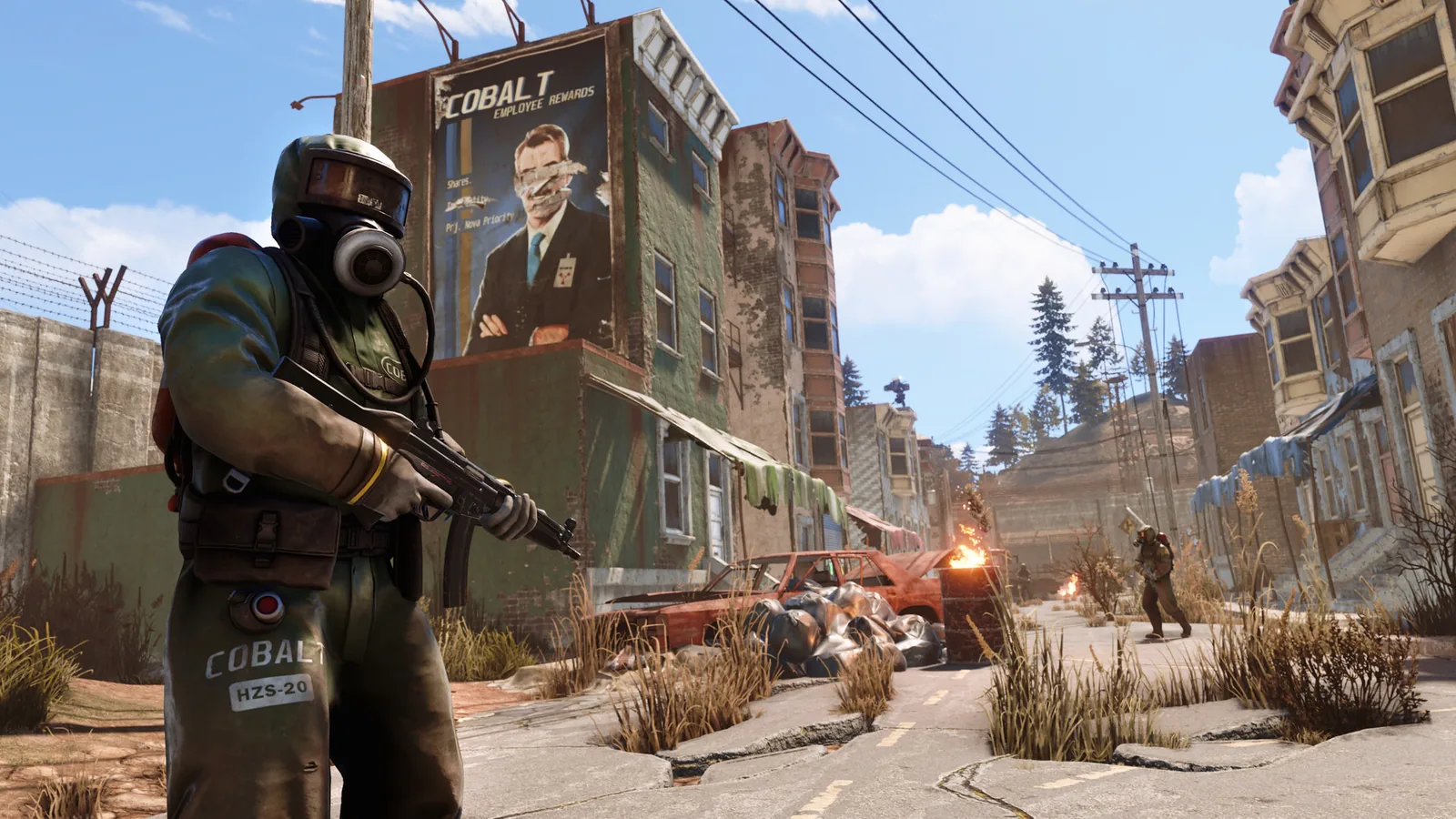
Why resetting everything works
Three mechanisms, and they compound.
It caps the advantage of playing more. In a persistent survival game, the group that has been there longest has more of everything forever, and new players never catch up. A wipe puts a ceiling on accumulated advantage measured in weeks rather than years. That is the single biggest reason Rust can still take new players after a decade.
It makes the early game the main game. Rust’s first two hours – naked on a beach with a rock – are its most distinctive experience, and most games treat that phase as a tutorial you pass through once. Wiping makes it the thing you do most. Our piece on teaching without tutorials covers why that opening carries so much design weight.
It creates a shared event. Everyone starting at the same moment on the same day is a scheduled, synchronised competitive moment. Nothing else in the game produces that, and it is why force-wipe day has higher concurrent players than any other day of the month.
Compare this to the usual approach, which is seasonal rank resets layered on top of permanent progression. Our notes on ladder decay cover that pattern, and the key difference is that a rank reset deletes a number while a wipe deletes the things you built. The second one hurts more and works better.
What it costs
Two real costs, and neither is solved.
Nothing you build lasts. The most impressive base in the game has a maximum lifespan of one month. For players whose motivation is construction rather than conflict, that is a hard ceiling, and it is why a substantial part of the community plays on creative or build servers instead.
The cycle dictates your schedule. Joining a monthly server on day 25 means arriving into a world where everyone is established and the map is claimed. The practical result is that player activity is heavily front-loaded after each wipe and declines through the month, which is a problem for server owners rather than for Facepunch.
That decline is the strongest argument for weekly cycles and the reason so many community servers run them. A shorter cycle means more fresh starts, which means more of the month spent in the part of the game people actually queue for.

The general lesson
Rust’s wipe cycle is the clearest example in multiplayer design of deliberately destroying progress to protect a game’s accessibility. Most games solve the veteran advantage problem with matchmaking, with catch-up mechanics, or with seasonal content that resets a number while leaving the substance intact. Rust solves it by deleting the substance.
The reason it can is that the thing being deleted – a base, a stockpile, a tech tree – is not what players are actually there for. They are there for the conflict that surrounds those things, and conflict is more interesting when everyone has roughly the same amount. A game where the stakes rebuild every month has permanently high stakes.
Most games cannot copy this, because most games sell permanence. Our piece on battle pass design covers the opposite approach – progression that is explicitly temporary but framed as accumulation – and the comparison is instructive. Rust tells you up front that it will take everything. The treadmill tells you that you are keeping something.
Images: Rust project gallery.