Key takeaways
- Frozen ocean is one of only two biomes where polar bears spawn, and the only one where they spawn in numbers.
- The ice sheet is a free blue ice and packed ice source, which is the cheapest route to a high-speed boat lane.
- With the 26.4 Ice Caves biome generating under cold surface biomes, a frozen ocean shoreline is now a route down rather than a dead end.
Frozen ocean has always been the biome players sail across rather than stop in. It is cold, it has no trees, the fish are hostile, and the one thing it reliably produces – ice – is something you can make at home from a bucket of water and a cold night.
That calculation changes once you know what the ice sheet is actually worth and what the 26.4 snapshots have put underneath it. This guide covers what a frozen ocean spawn gives you, what to look for when judging one, and how to work the biome rather than cross it.
What generates there
A frozen ocean is an ocean biome with a solid ice surface and icebergs. The components:
- Ice sheet. A layer of regular ice covering the water, walkable and breakable.
- Icebergs. Large formations of packed ice and blue ice rising out of the sheet. These are the valuable part.
- Snow blocks scattered on the ice and on the iceberg surfaces.
- Polar bears, which spawn here and in snowy plains and almost nowhere else.
- Drowned, below the ice, in the usual ocean numbers.
- Strays on the surface in the deep frozen variant.
There are two variants – frozen ocean and deep frozen ocean – and the deep version is where the ocean monuments generate. Our ocean monument notes cover what is in one.
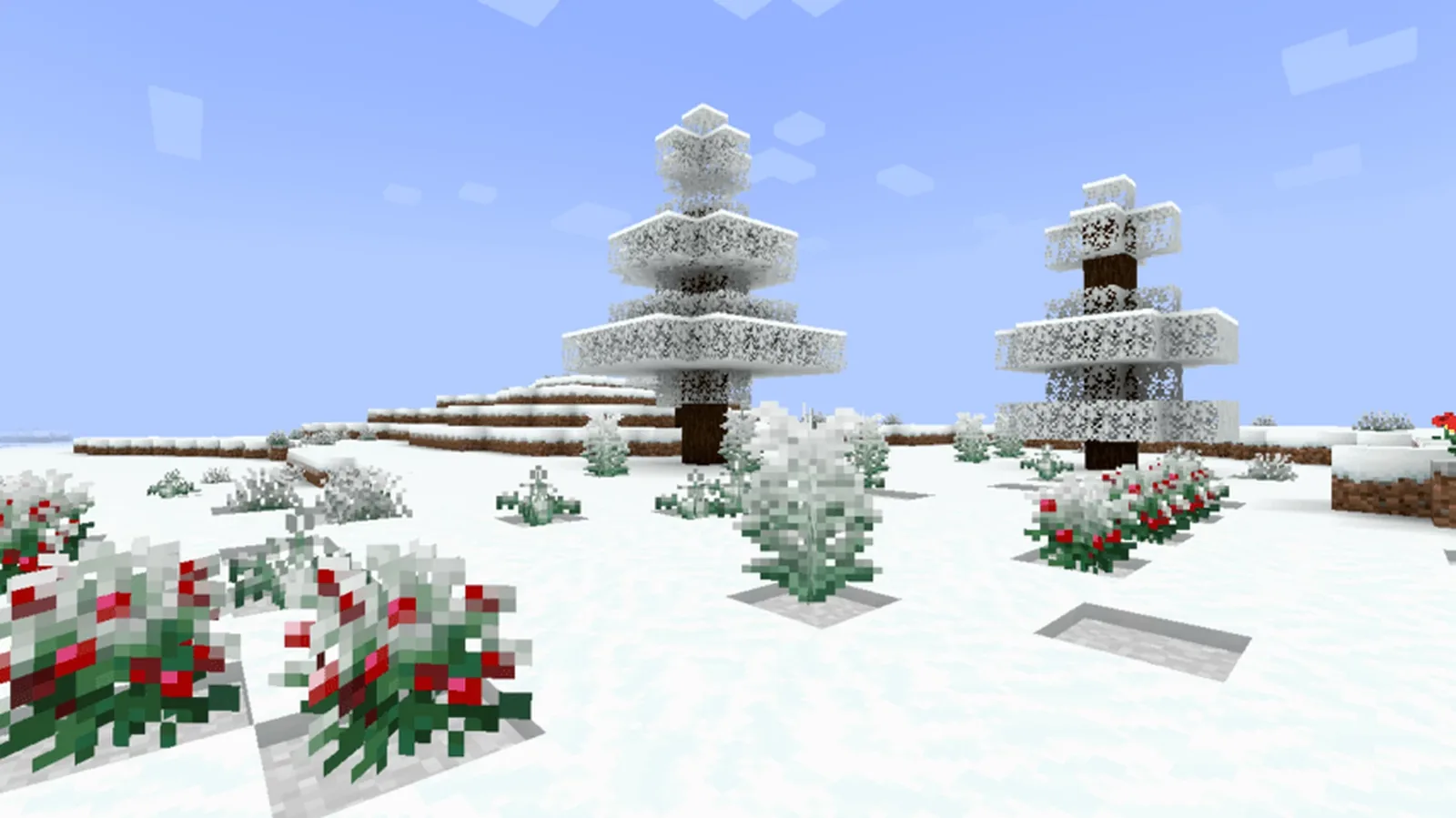
The blue ice is the point
Icebergs contain blue ice, and blue ice is the single most expensive common block in Minecraft to craft. Nine ice makes one packed ice, nine packed ice makes one blue ice – so one blue ice block costs 81 ice blocks.
Mining it from an iceberg costs one Silk Touch pickaxe and some time.
Why that matters: blue ice is the fastest travel surface in the game. A boat on blue ice moves at roughly 73 blocks per second, which is faster than a horse, faster than a minecart, and close to elytra cruising speed without needing rockets. Our boat travel guide has the comparative numbers.
Building a blue ice lane from crafted material is a project. Building one from an iceberg you are standing on is an afternoon. If your world has a frozen ocean within reach of where you live, you have a transport infrastructure problem already solved and most players never notice.
Practical notes for harvesting:
- Silk Touch is mandatory. Without it ice drops nothing and packed ice and blue ice drop nothing.
- Efficiency matters more than usual – an iceberg is hundreds of blocks and ice is not fast to break without it.
- Mine from the top down. Breaking an iceberg from below drops you into water under an ice sheet, which is the most common way people die here.
Judging a frozen ocean spawn
In order of what actually matters:
Land within a few hundred blocks. A frozen ocean has no wood, no food that is not fish, and no villages. A snowy taiga or snowy plains shoreline fixes all three. A spawn with ocean in every direction is a bad spawn regardless of the ice.
Iceberg density. Some frozen oceans are almost flat sheet with occasional small bergs; others have large formations with substantial blue ice. You can judge this from a boat in the first minute.
A deep frozen ocean nearby. That is where the monument is, and a monument is the only source of sponges and a large volume of prismarine.
Exposed cave mouths on the shoreline. Under 26.4 this is the route into an Ice Caves biome, which generates beneath cold surface biomes. Our Ice Caves coverage covers what is down there.
A village in the adjacent land biome. Snowy plains villages exist and they are the fastest fix for the food problem. Our village finding guide covers the search.
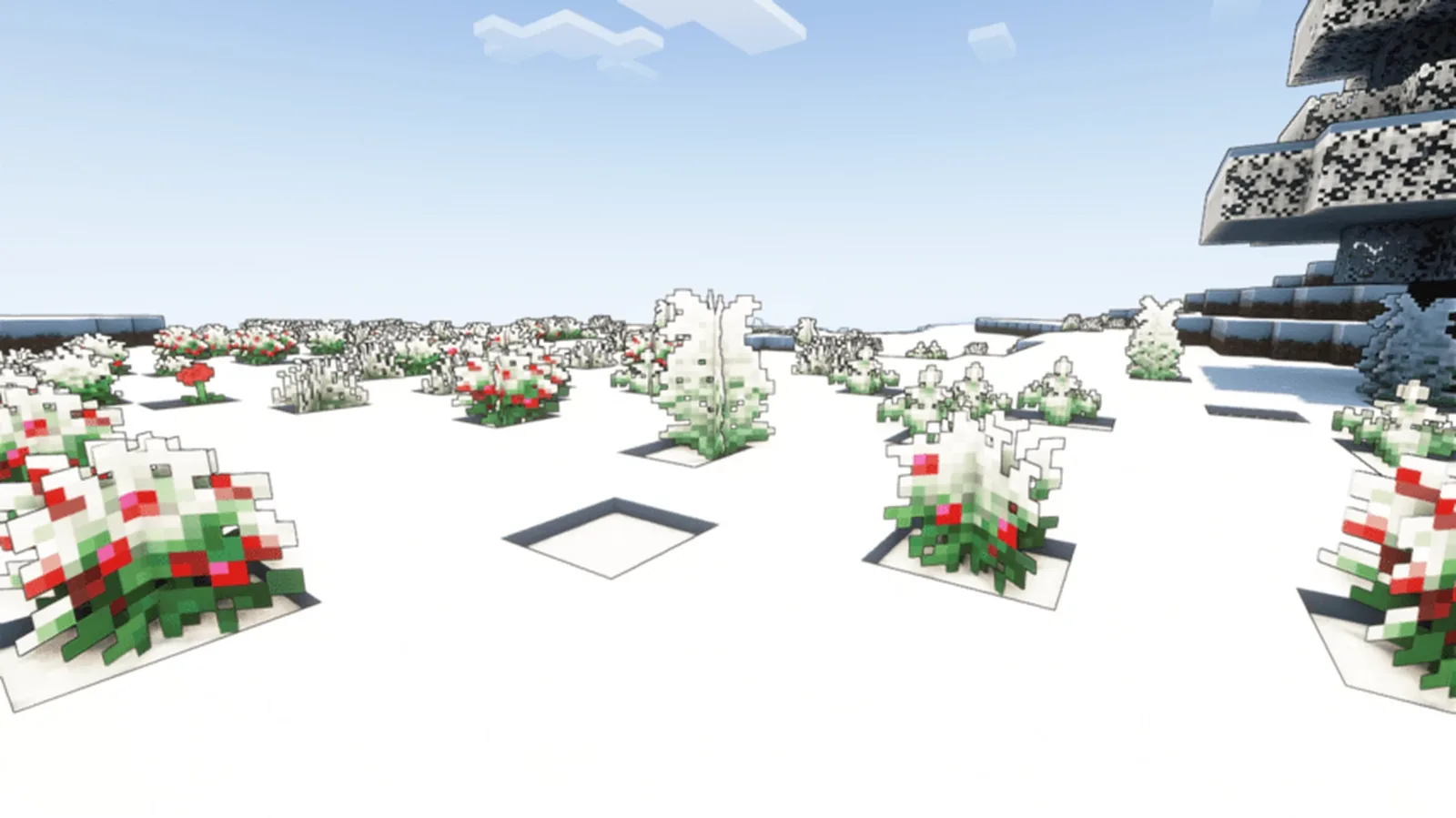
Polar bears
Worth their own section because they behave unlike anything else. Polar bears spawn in frozen ocean and snowy plains, usually as an adult with one or two cubs, sometimes as a lone adult.
The behaviour rules:
- A lone adult is neutral and will not attack unless provoked.
- An adult with cubs nearby is hostile on sight and will chase.
- They are fast on land and faster in water.
- They drop raw cod and occasionally raw salmon.
They cannot be bred, tamed or led, which makes them the only large neutral mob with no player use at all. Treat them as a hazard rather than a resource. In practice the danger is specific: you are mining an iceberg, you do not see the cub, and the adult reaches you while you are standing on ice with no escape route.
Surviving the biome
Four things that will get you, in order of likelihood.
Falling through broken ice. Mining the sheet under your own feet drops you into freezing water under a lid. Always break ice from a block you are not standing on.
Drowned with tridents. They are below the ice and they can see you through it. A trident hit while you are standing on a sheet is how boats get lost.
No food. There is nothing to eat here that is not fish, and fishing through ice requires breaking a hole. Bring food. Our hunger and food guide covers what travels well.
No landmarks. A frozen ocean is white in every direction and it is genuinely easy to lose your heading. Our map guide covers marking your route, and a column of a contrasting block every few hundred blocks is cheap insurance.
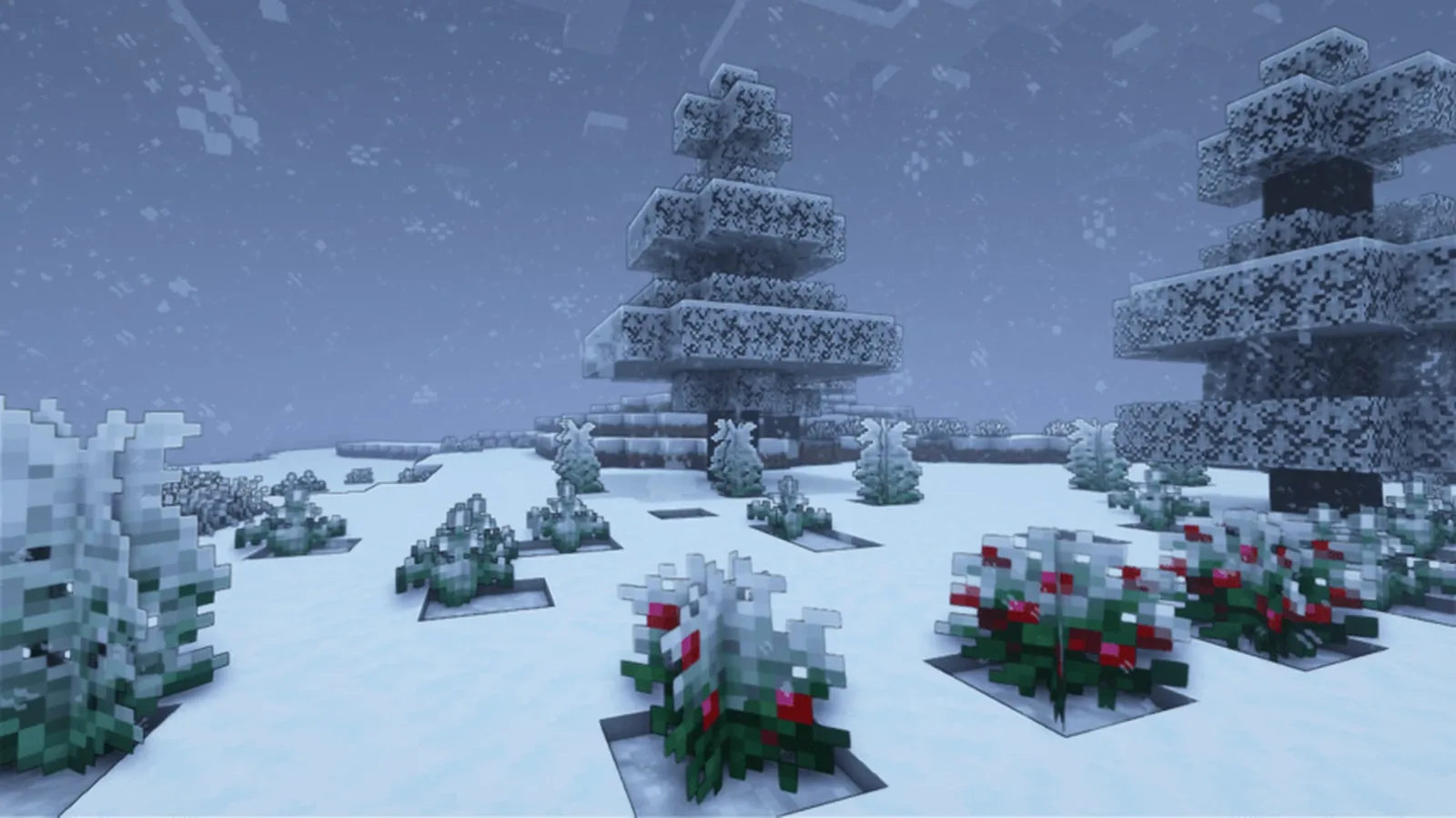
Building here
Two things make a frozen ocean build work, and both are about what you bring rather than what is there.
First, a foundation. The ice sheet is not a reliable floor – it is one block thick and anything that breaks it drops your build into water. Build on an iceberg or on pillars sunk to the ocean floor.
Second, a contrast material. White on white is the same problem every cold build has, and here the entire horizon is also white. Dark wood or deepslate as structure is what makes the silhouette readable. Our cold palette guide covers the ratio, and our ice brick techniques cover what the new Packed Ice Brick family allows now that it exists.
Images: Primal Winter and White Leaves/Grass in Snow Biomes – Winter Foliage project galleries.