26.4 Snapshot 1 landed on 22 September, one week after Wilderness Bound. It is a technical snapshot with no new blocks, and its headline change is one line in the video settings: Vulkan is now what Default means.
Vulkan by default
The Graphics API setting has had a Default option and a Prefer Vulkan option since the backend arrived. As of this snapshot, Default behaves the same as Prefer Vulkan.
The second half of the change matters as much as the first: the game will no longer switch the graphics API automatically when it detects a startup crash. That fallback was a safety net, and removing it means the setting now stays where you put it.
Read together, those two lines say Mojang considers the Vulkan path stable enough to be the road everyone is on. For most players nothing visible changes. For anyone on hardware where Vulkan drivers are shaky, the automatic escape hatch is gone and the setting has to be changed by hand.
That is the one thing worth knowing before updating, and it is the reason to check whether your renderer has vendor-specific fixes outstanding – Intel integrated graphics in particular have been getting Vulkan-path fixes throughout September.
The rest of the gameplay changes
There are two, and both are small.
Sulfur caves now generate below old chunks when upgrading a world that predates Caves and Cliffs. A new biome tag, #generated_in_below_zero_retrogen, controls what appears in that space.
Red and brown mushrooms can now be placed on any block with a solid top face regardless of light level. They still will not spread unless brightness is below 13 or the support block overrides the light requirement.
The mushroom change is a quiet quality-of-life fix for builders. Decorative mushrooms in a lit room previously required either a specific block underneath or accepting that they would pop off. That is no longer a constraint, and it is the kind of change that shows up in detail work rather than in a feature list.
Pack formats moved
Data pack version is now 122.0 and resource pack version is 98.0. Both are breaking bumps, which means every pack needs its manifest updated before it will load without a warning.
For resource packs the substantive change is in the order-independent transparency shaders. The OIT algorithm was rewritten from wavelet-based mathematics to depth bin-based accumulation, with slightly better performance on some devices and fewer floating point precision problems on average. The OIT_WAVELET_RANK define is gone and OIT_COEFF_COUNT has been replaced by OIT_NUMBER_OF_DEPTH_BINS.
That only affects packs that ship custom shaders, which is a small minority. Everything else needs a number changed.
Worldgen changes that will break datapacks
Several, and they are the kind that fail quietly rather than loudly.
- Placed Feature placement is now validated to a 3×3 chunk region. A feature that selects a position outside that range is no longer valid.
- The
cuboidplacement modifier now treatsxz_sizeandy_sizeas the actual size rather than implicitly one block larger. Anxz_sizeof 2 now produces a 2×2 cuboid, not 3×3. - Noise settings lost
default_block, which is now always air. Anything else has to come from the Material Rule. - Biome entries in multi-noise sources can no longer overlap across all noise parameters with the same offset.
- fillbiome now fills with block accuracy rather than in larger units.
The cuboid change is the one most likely to silently alter an existing pack’s output, because it does not error – it just produces a different shape than it used to. Worldgen pack authors should test rather than assume, and it is another reason the worldgen category moves last after every drop.
One new tree parameter
The straight_trunk_placer gained a trunk_width field – an optional int provider, defaulting to 1.0, that sets the width of the trunk centred on the origin.
Small on its own, and the obvious use is wider trunks on large custom trees without stacking placers. Worth noting for anyone building custom worldgen rather than consuming it.
What this snapshot signals
A first snapshot that is entirely technical usually means the drop’s features are not ready to show yet, and the engine work is being landed early so it has time to settle.
The Vulkan default, the pack format bumps and the network protocol work – which is substantial enough to deserve its own discussion alongside the input backend change from last drop – all point the same way. 26.4 is shaping up as an infrastructure release, and the visible content will arrive in later snapshots.
For players: nothing to do yet. For mod and pack authors: the pack formats and the worldgen validation are the two items to act on now, because the rest of the ecosystem has only just finished moving to 26.3.
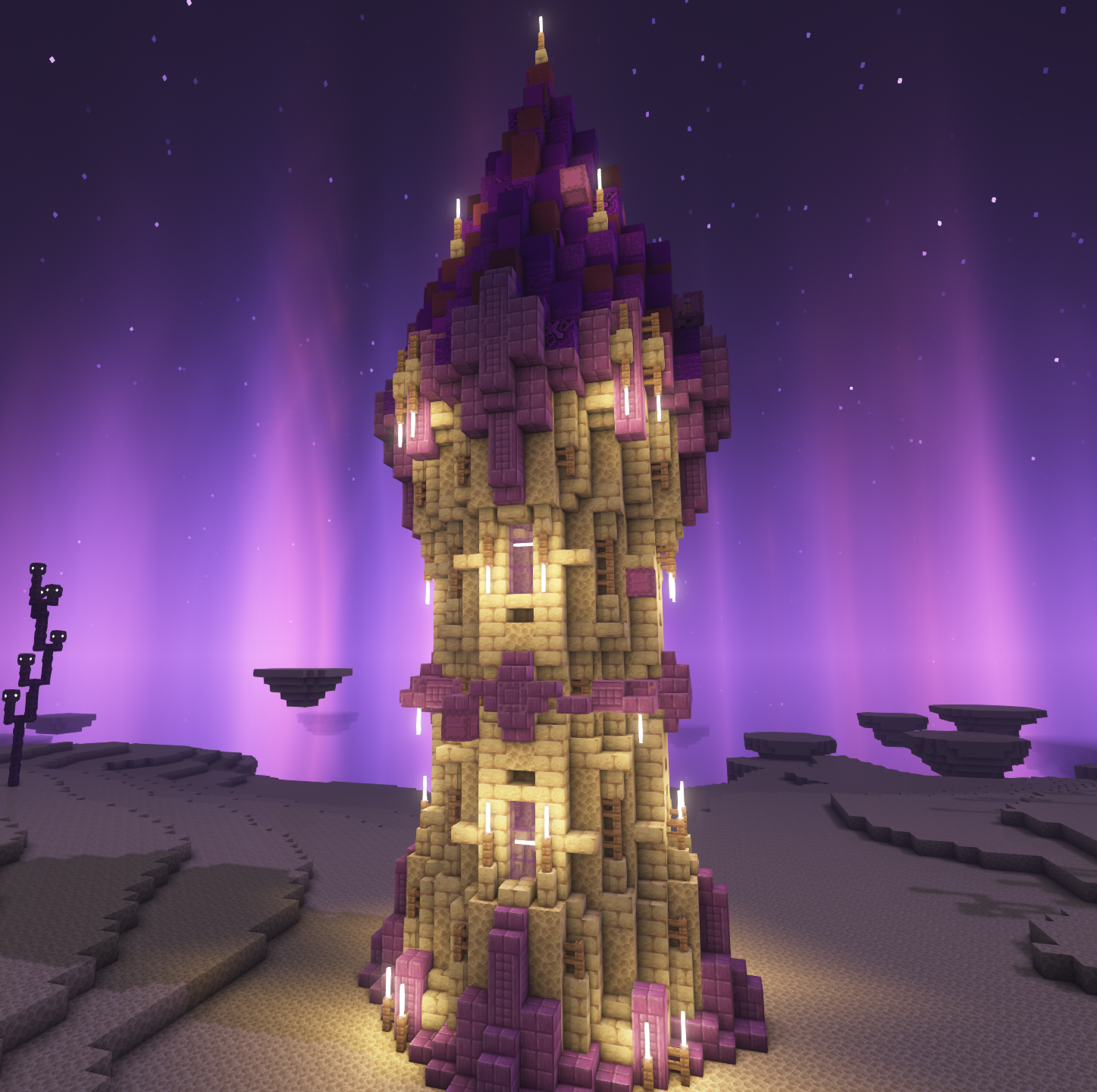
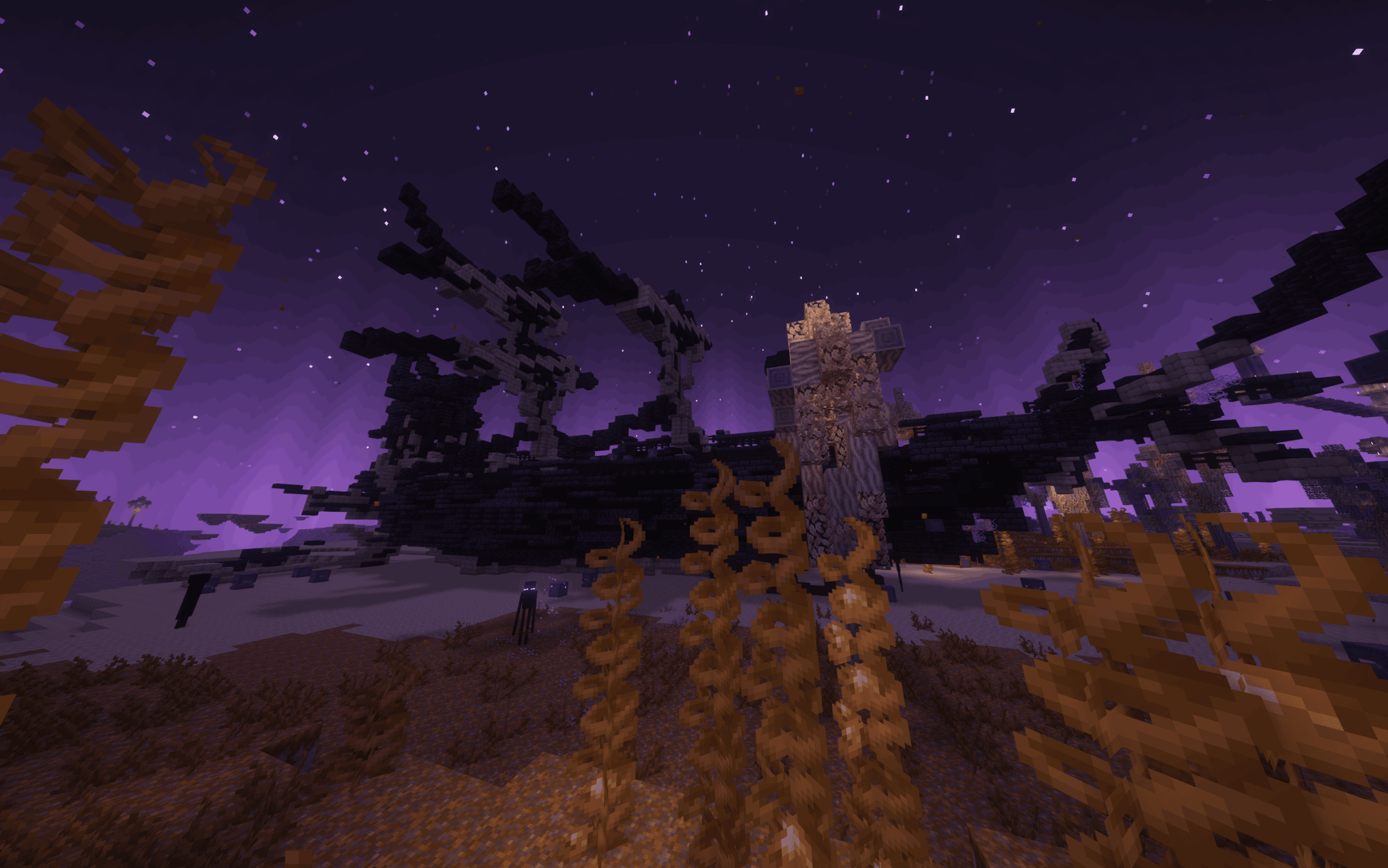
Images: MES – Moog’s End Structures project gallery.