Summary
- 26.3 Snapshot 3, on 7 July 2026, introduced cushions in 16 colours and straw beds.
- Cushions let players sit down, which the game had never supported without a mod or a minecart.
- Straw beds are single-use and do not reset your spawn, making them a travel item.
Mojang’s framing for this snapshot was “perfect for anyone that loves to camp in comfort”, which undersells it. Sitting down is one of the oldest requests in the game, and the answer arrived alongside a bed you can use once and throw away.
Sitting, finally
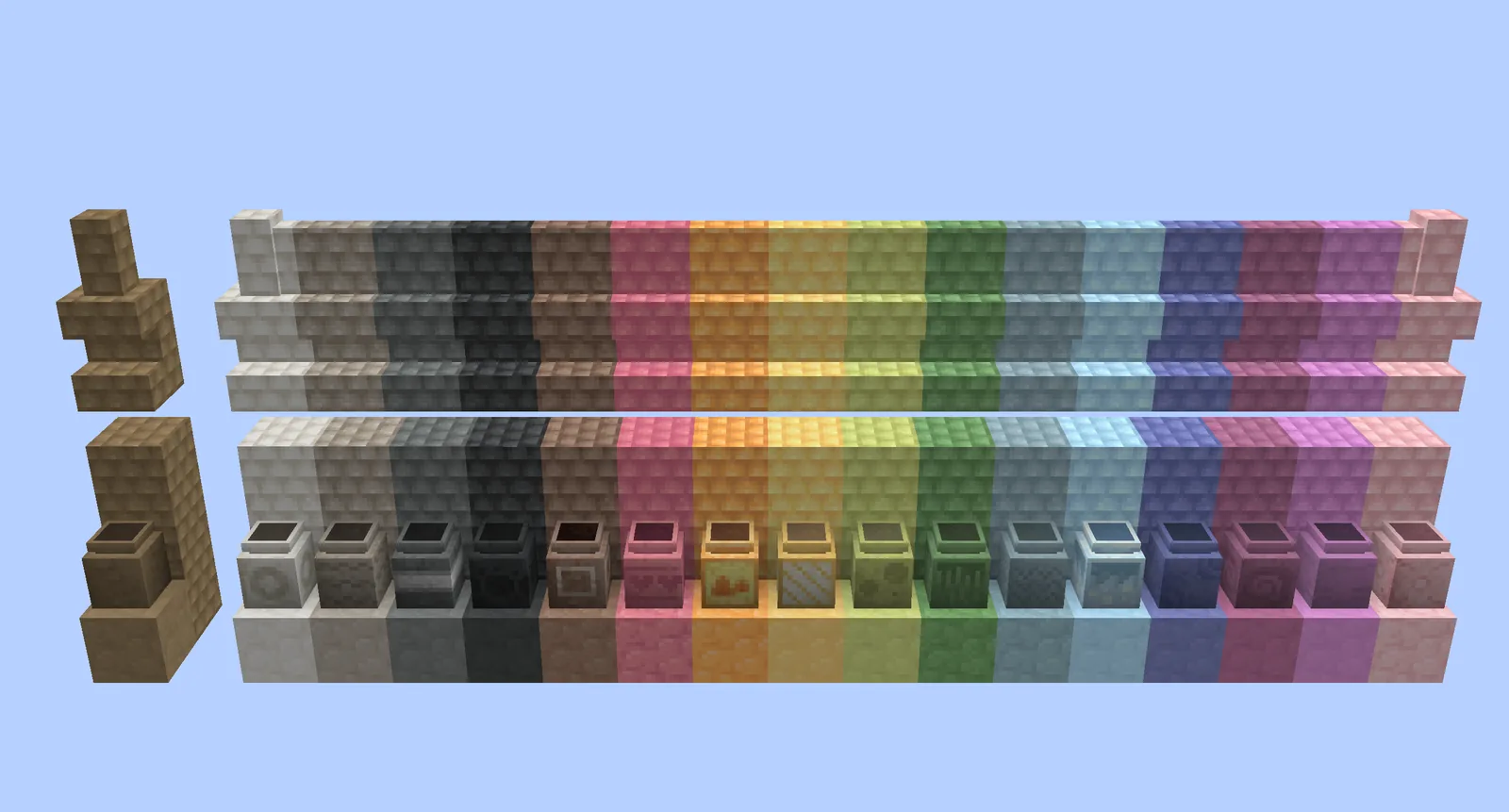
Cushions come in sixteen colours and let a player sit around a campfire. Before this, sitting in Minecraft meant a minecart, a stair block and imagination, or a mod.
The implementation is worth noting: a cushion is an entity rather than a block, which is how it can carry a sitting position without the block system having to know about poses.
Straw beds change how you travel
A straw bed is single use, does not reset your spawn point, stacks to sixteen and is destroyed if used in the Nether or the End. Three hay bales craft four.
Each of those properties is doing work. Single use stops it replacing a real bed. Not resetting spawn removes the choice between sleeping and keeping your respawn point. Stacking to sixteen makes it a supply you carry rather than a base fixture.
Why this is a camping update
Put the two together with abandoned camps from Snapshot 1 and the theme is obvious in hindsight. This drop is about being away from your base overnight and being comfortable doing it – a small design idea executed across a biome, a structure and two items.
That coherence is easier to see in July than it was in June, when the drop looked like a forest with some trees in it.
What arrived later
Concrete stairs and slabs in Snapshot 7 on 4 August, explorer maps in the same batch, and Realms options in August. The camping core was in place by early July, and the rest of the drop accumulated around it.
What builders were doing before this
Every furnishing technique in Minecraft is a workaround for a missing block, and sitting was the most conspicuous gap. Stairs with signs beside them, trapdoors as chair backs, carpets on top of anything – the whole vocabulary exists because the game had no furniture.
Most of that vocabulary is still worth knowing, because cushions solve one item and not the other forty. Furnishing a room without a furniture mod is the full set of techniques.
Cushions against a furniture mod
The comparison is unavoidable and vanilla loses it, which is fine – vanilla adds one entity, a furniture mod adds a hundred blocks with variants. What vanilla gets right is that a cushion works on a server without anyone installing anything.
For a single player world where that does not matter, a dedicated mod is still the better answer. Handcrafted is the one that fixes empty interiors most completely, and it does it without adding systems.
Entity, not block – the consequences
- Cushions count against entity limits on a busy server.
- They can be pushed by pistons and water in ways a block cannot.
- They do not connect or align to neighbouring blocks.
That last one is the practical annoyance. A row of cushions is a row of separate objects, not a couch.
Dates
26.3 Snapshot 3, 7 July 2026. Shipped in Wilderness Bound on 15 September 2026.
Straw beds in practice
The use case is a three-day trip. You take four straw beds, you skip three nights, and you never think about your spawn point – which is the part that actually saves time, because the old alternative was either fighting through the night or sleeping and losing your respawn.
Three hay bales for four beds means one wheat farm run supplies a season of travelling.
What to pack for a camping trip now
- Four straw beds.
- Two cushions, purely because a camp with seating reads as a camp.
- A campfire – still the best light-per-inventory-slot item in the game.
- A water bucket, as always.
The design read
Vanilla Minecraft rarely adds an item whose only purpose is comfort. Cushions are an exception, and straw beds are the mechanical justification that made the pair shippable – one changes how you travel, the other changes how the camp looks when you stop.
That pairing of a mechanical item with a decorative one is a pattern worth watching. It shows up in most recent drops.
The broader point is that Minecraft has slowly stopped treating comfort items as wasted development time. Campfires, lanterns, flower pots, item frames and now cushions all exist because players kept building the idea out of workarounds until the game gave in. That is a reasonable way to decide what to add, and it produces features that get used immediately because everyone already knew what they wanted them for.
Images: Twigs project gallery on Modrinth.