Key takeaways
- flOw and Cloud were shown at the 2006 Experimental Gameplay Workshop as student projects from USC.
- Both were attempts to build games around mood and flow rather than conflict and failure.
- Journey, released years later, is the commercial version of the same argument – and GDC lists it among the games the workshop showed.
The most useful thing about looking at old workshop line-ups is watching an idea before its creator had the resources to execute it properly. Jenova Chen’s two entries in the 2006 session are a clean example.
What was shown
Cloud and flOw, both from Chen’s time at the University of Southern California. Cloud is about flight and weather; flOw is about an organism descending through layers of an abstract ocean, eating and growing. Neither has an enemy in the conventional sense and neither has a fail state that punishes you.
Chen’s remark from that session – that if six people can do something, the word risk is not appropriate – is a reasonable summary of what he was arguing. The risk was not technical. It was that the audience might not accept a game with nothing to beat.
The theory underneath
flOw was built around the psychological idea of flow: the state where challenge and ability are matched closely enough that attention narrows and time distorts. The design consequence is dynamic difficulty – the game adjusts to the player rather than presenting a fixed ladder.
That is a specific, testable claim about how games should work, and showing it as a prototype was the right way to test it. A room of designers watching an organism drift downward can decide within two minutes whether the idea reads.
What came after
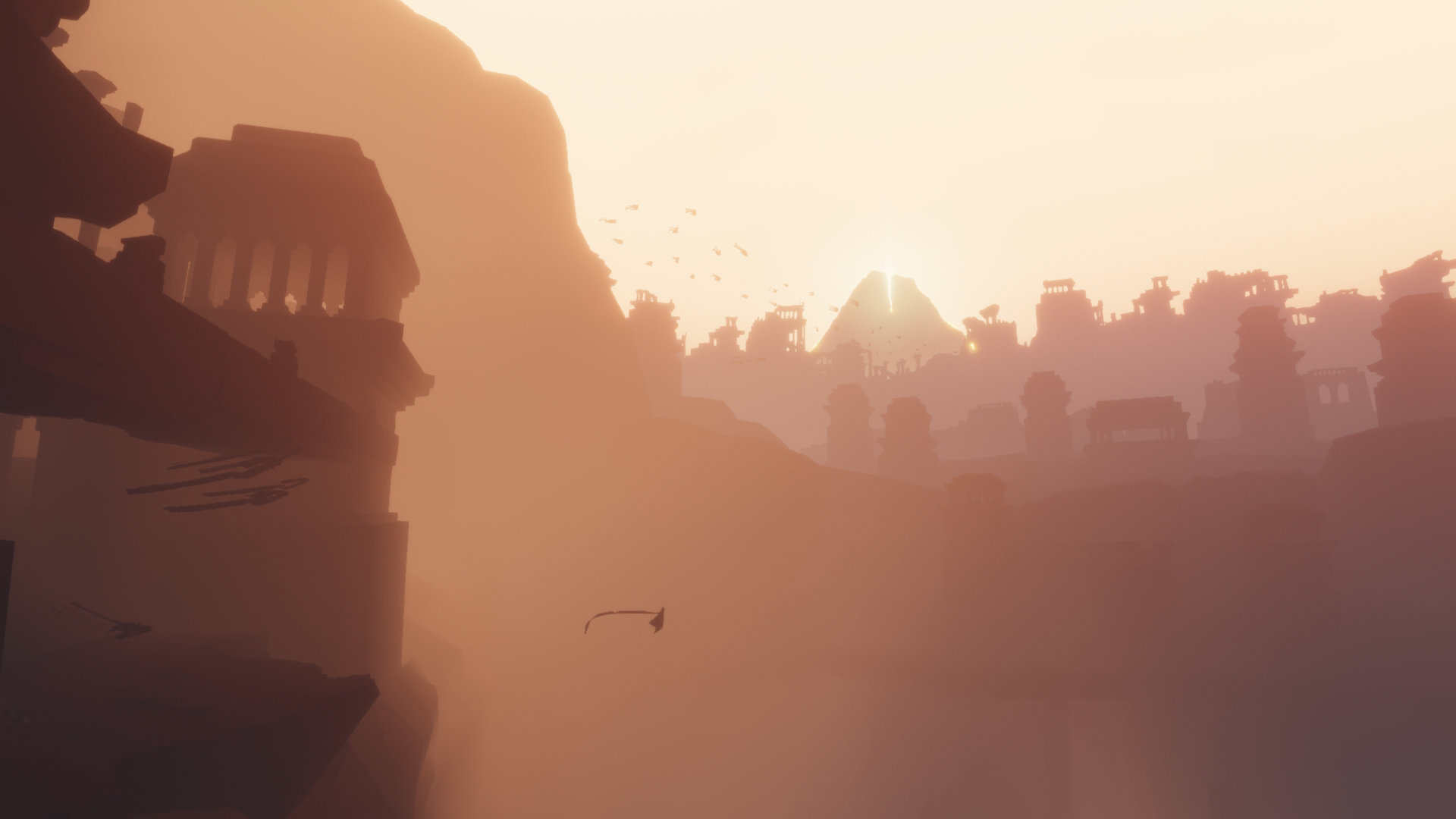
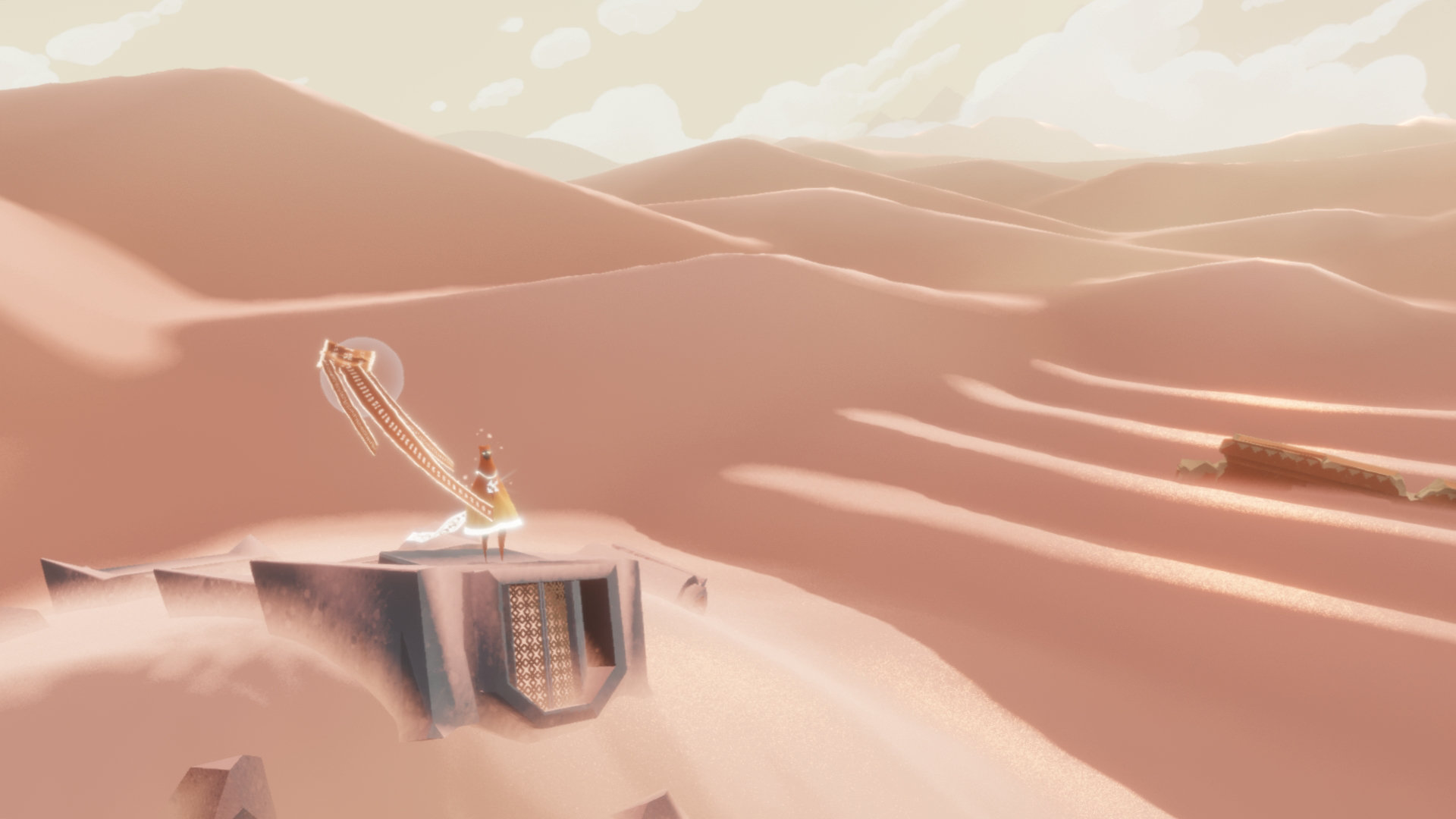
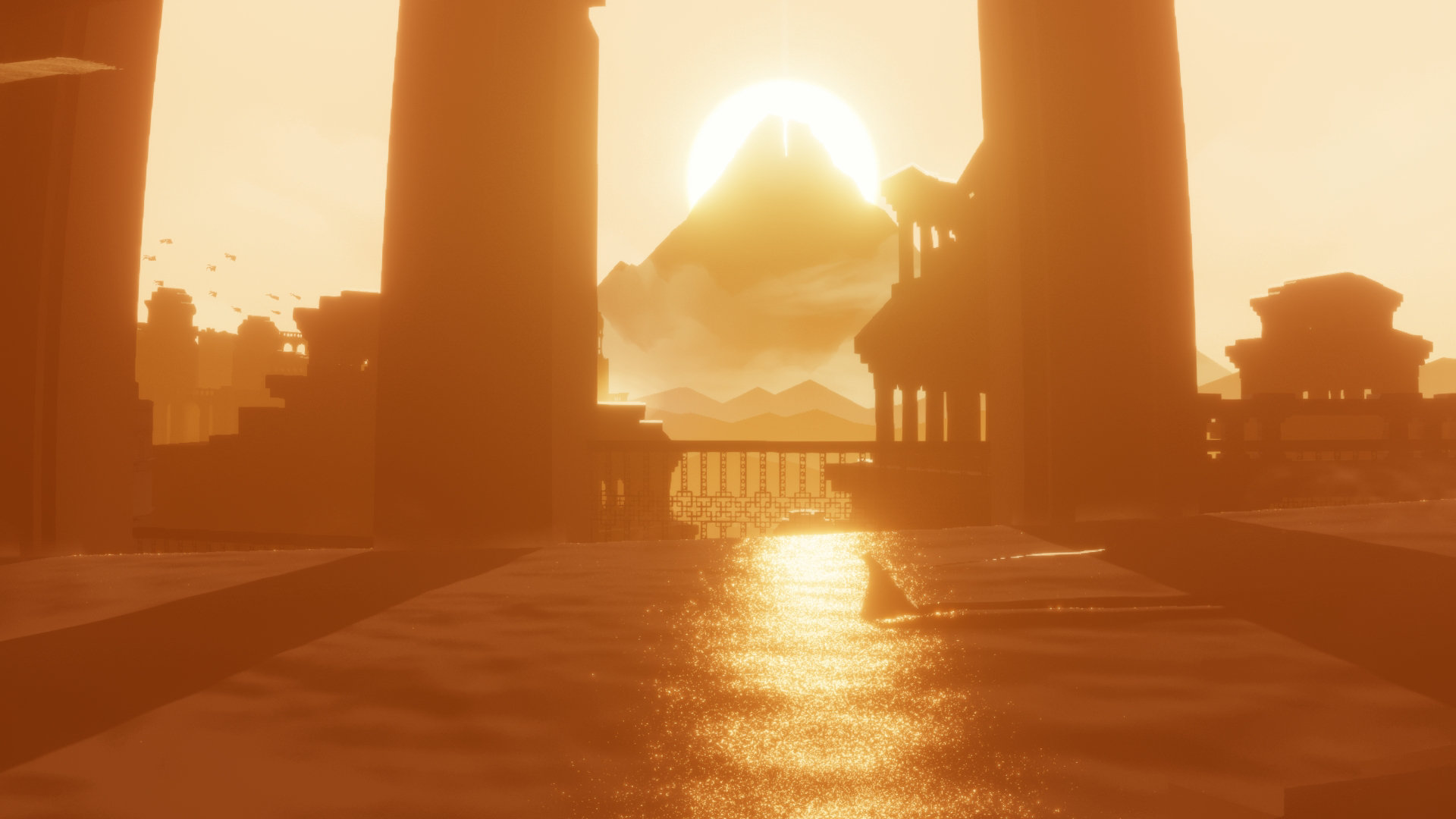
thatgamecompany was founded by Chen and Kellee Santiago after USC. flOw got a commercial release, Flower followed, and Journey arrived as the fullest version of the studio’s position: a game about movement and company, with no combat, no dialogue and no way to lose.
GDC’s own retrospective lists Journey among the games the workshop showed, which puts the 2006 student prototypes and the finished 2012 release on the same thread.
Why it took that long
The gap between the prototype and the commercial version is the part people skip. A mechanic that reads in two minutes on a projector has to survive being stretched to hours, which requires art, audio, pacing and money that no student project has.
Our view is that this is the honest lesson of the workshop’s alumni list. The session is good at identifying ideas worth pursuing and says nothing about whether the team can pursue them. Several equally interesting prototypes from the same years went nowhere, not because the idea was weaker but because nobody funded the six years it would have taken.
Reading the same session differently
Braid, shown in the same session, took the opposite route: precision, difficulty and systems you analyse rather than feel. Two positions, one room, and the decade that followed had space for both.
What dynamic difficulty actually changed
flOw’s central mechanism is that the player controls the difficulty without being asked to. Descend and the game gets harder; rise and it eases. There is no menu, no setting and no failure screen making the choice for you.
That matters because difficulty settings are a confession that the designer could not solve the problem. A menu asks the player to predict their own competence before they have played. flOw’s approach embeds the choice in the act of playing, and the player adjusts continuously without ever thinking about it.
Cloud and the other half of the idea
Cloud is the softer of the two prototypes and the more revealing. It is about flight, weather and a feeling the team described in terms of childhood memory rather than mechanics. Where flOw has a system you can describe, Cloud has a mood, and mood is much harder to demonstrate in four minutes on a projector.
Showing both in the same session was a sensible hedge. One prototype proves the team can build a system; the other shows what they actually want to make.
The student pipeline behind it
Both came out of graduate work at the University of Southern California, on the same bill as Braid and the rest of the 2006 session, which during this period was producing a steady stream of designers whose work pushed at what a game had to contain. That pipeline is easy to overlook when the story is told as individual genius – the structural fact is that a funded programme let people spend a year on an idea with no commercial obligation attached.
Most of the games in the workshop’s early line-ups came from somewhere similar: a university, a studio’s downtime, or someone’s evenings. None of those are markets, and all three were more productive than the market was.
Images: thatgamecompany, via the Journey Steam store page.