Key takeaways
- A villager’s profession comes from the workstation it claims. Break the station before it trades and it can be rerolled.
- Once a villager has traded with you, its profession is locked permanently.
- Prices move with your reputation, with demand for an item, and with the hero of the village effect.
Villager trading is the closest thing Minecraft has to an economy, and almost every frustrating thing about it follows from three or four rules that the game never explains.
Profession comes from the block
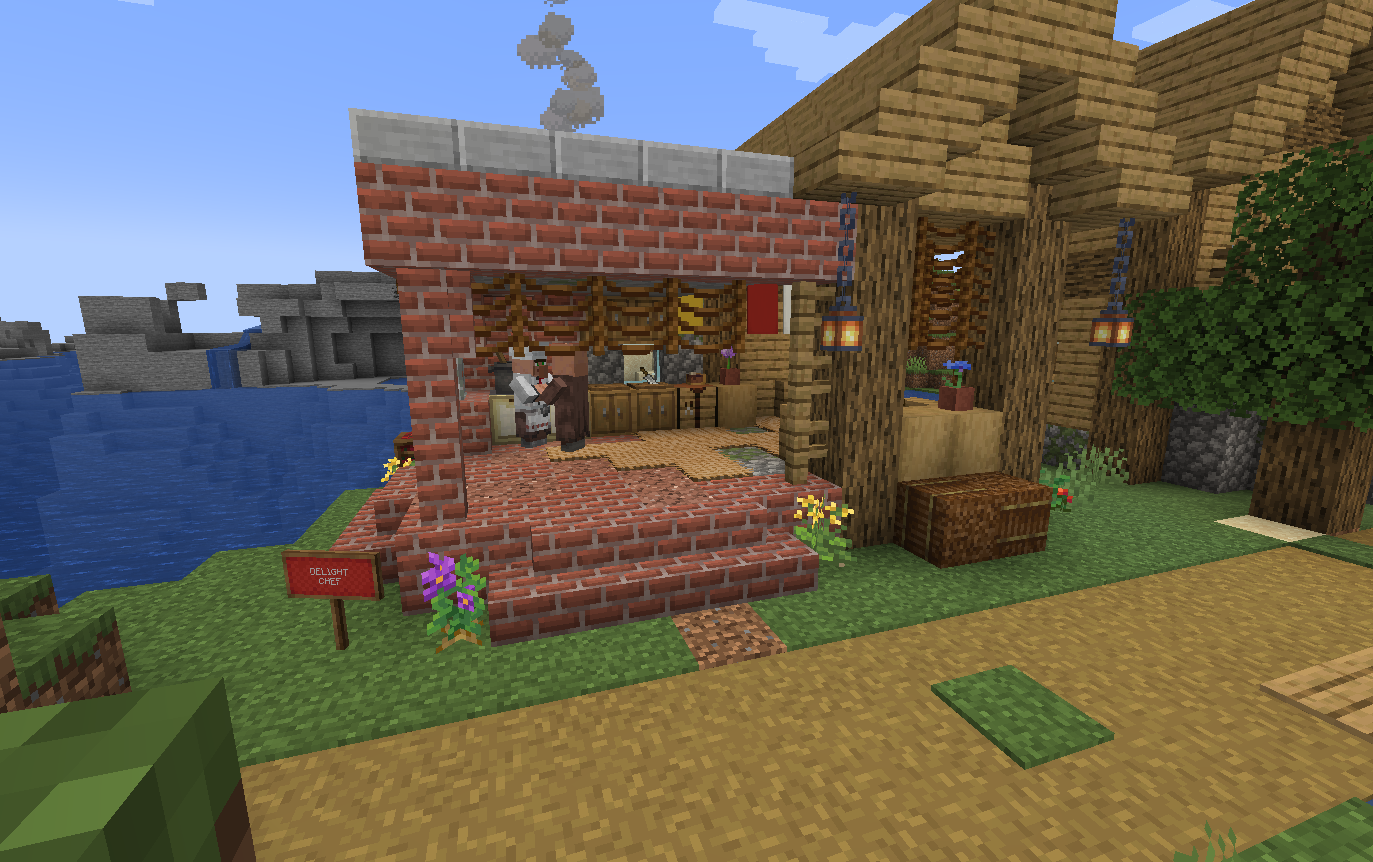
An unemployed adult villager will claim a nearby unclaimed workstation and take the matching profession. A lectern makes a librarian, a blast furnace makes an armourer, a composter makes a farmer.
If you do not like the trades offered, break the workstation and place it again. The villager loses the job and re-rolls when it reclaims. Repeat until the offer is what you want. This works only before the first trade – after that, the profession and the trade list are locked.
Levelling and unlocking
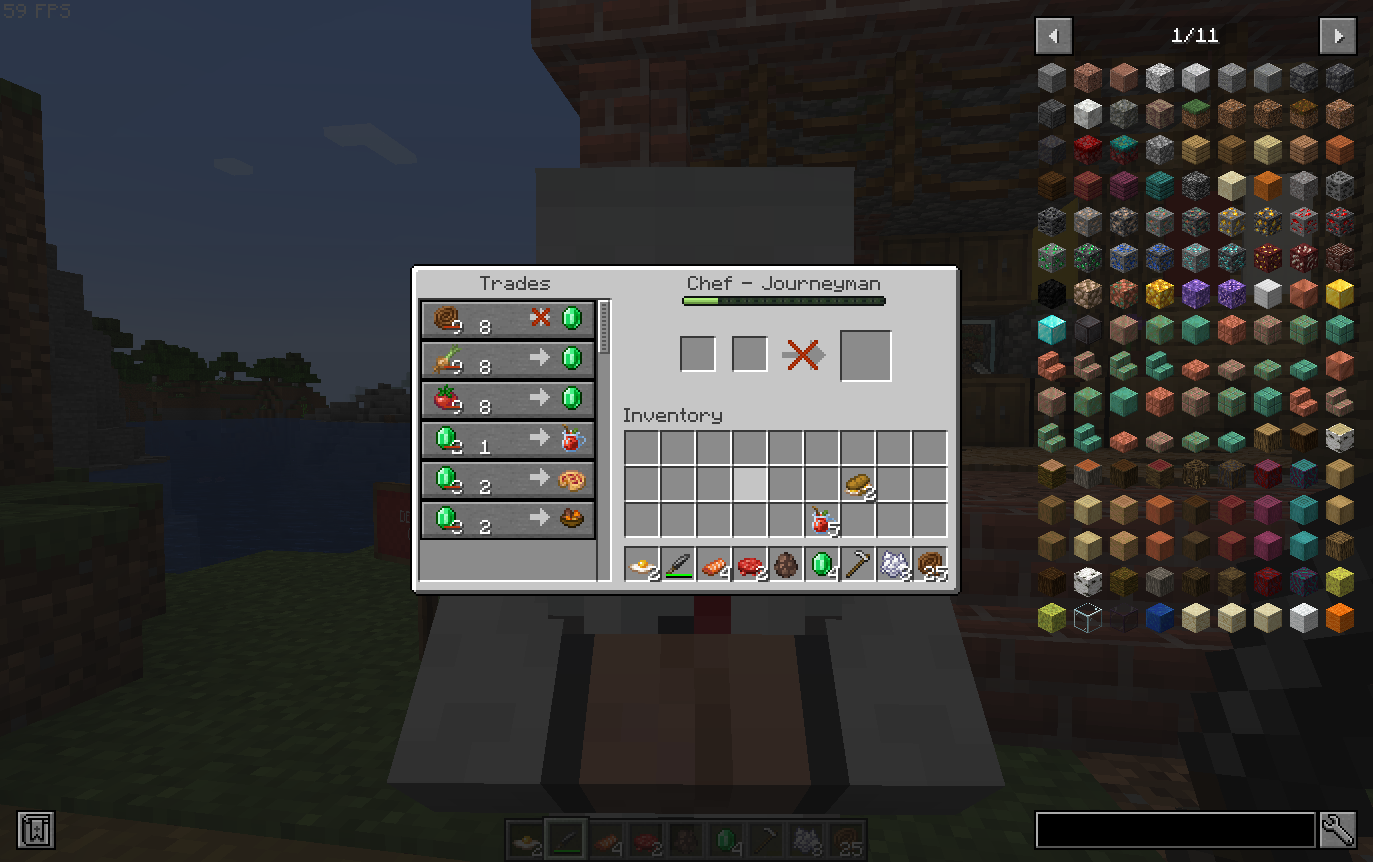
Trading with a villager gives it experience, and at each level it unlocks new trades. A fresh librarian sells one book. A fully levelled one sells several, at better rates.
Levelling requires actually trading, which means buying things you may not need. Paper and sticks are the usual sacrificial trades – cheap to produce in bulk, and they level a villager quickly.
Why prices move
Three forces act on price. Reputation rises when you trade and cure, and falls when you hit villagers – a high reputation lowers prices across the village. Demand rises when you buy the same item repeatedly and decays over time, which is why the tenth purchase costs more than the first. The hero of the village effect, from defeating a raid, applies a substantial temporary discount.
Curing a zombie villager produces the largest permanent discount in the game, and doing it repeatedly stacks the effect to the point where trades cost a single emerald. It is tedious, it requires a splash potion of weakness and a golden apple, and it is the difference between a functioning trading hall and a decorative one.
Restocking rules
Villagers restock twice per day, and only when they can reach their workstation. A trading hall where villagers are sealed away from their blocks will trade out and never refill, which is the most common trading hall design failure.
They also need to be able to see the workstation, not just be near it. Half-blocks and glass between them cause exactly the same problem with no visible cause.
Our view is that the cure discount mechanic is the single most powerful and least discoverable system in survival Minecraft. Nothing in the game hints that turning a villager into a zombie and back makes it sell diamond gear for one emerald, and a player who never looks it up plays an entirely different game from one who did.
Building a hall that works
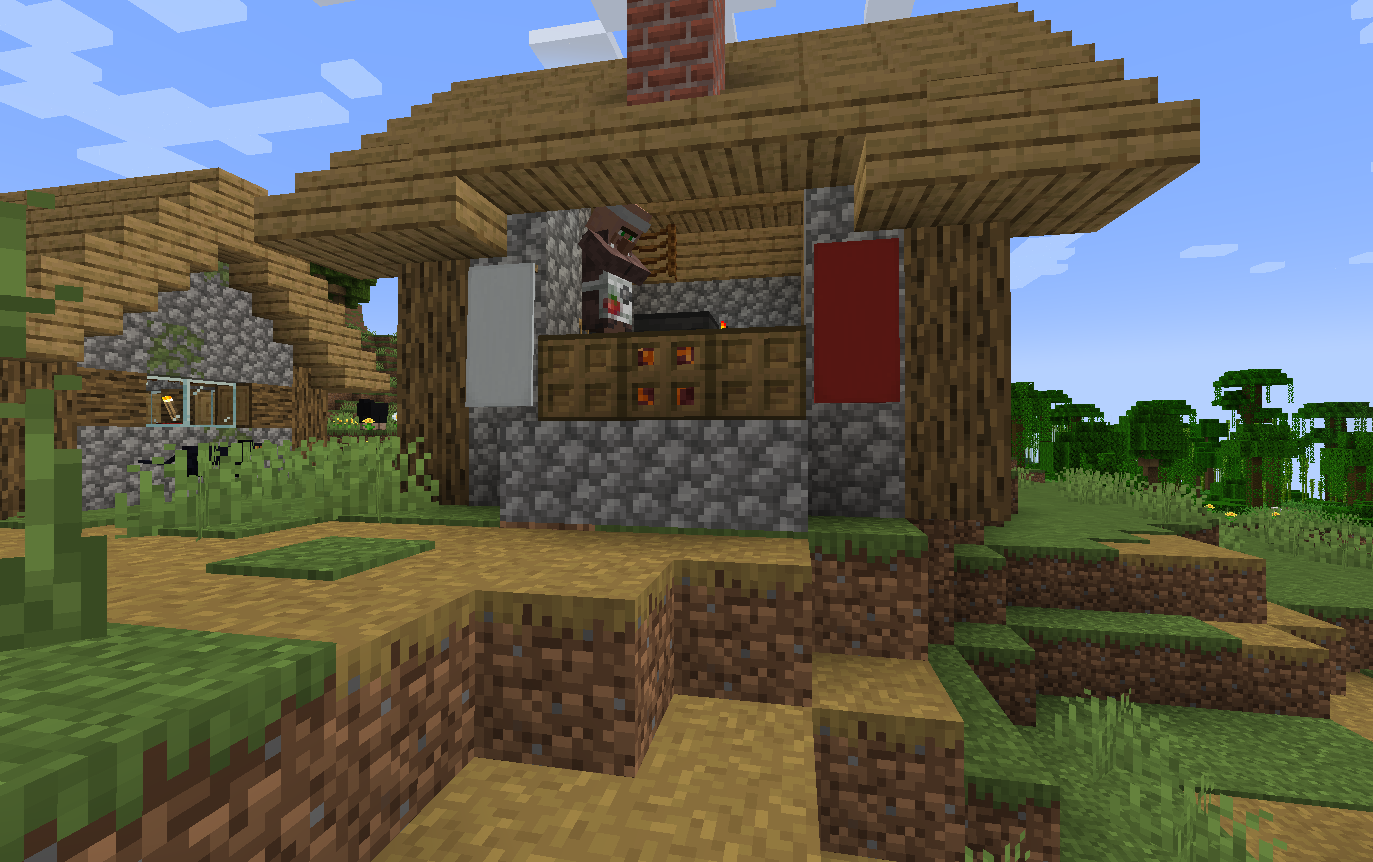
One villager, one workstation, in line of sight, with a bed if you want breeding. Keep the villagers contained but not separated from their blocks, light everything, and protect the roof from raids. The rest is scale.
For the farming that supplies the trades, see the breeding guide and the automatic farm guide.
Zombie curing, step by step
Find or create a zombie villager, trap it somewhere safe, throw a splash potion of weakness at it, then feed it a golden apple. It converts over a few minutes and emerges as a villager with a substantial permanent discount applied to its trades.
The discount stacks if the process is repeated, which is where the extreme prices come from. The practical setup is a curing station next to the trading hall with a zombie spawner or a dark room feeding it, though a manual approach works fine for a handful of key villagers.
Which trades are worth building around
Librarians for enchanted books, because it is the only way to select a specific enchantment rather than gamble at a table. Toolsmiths and armourers for diamond gear at emerald prices. Farmers as an emerald income, since crops are the cheapest thing to produce in bulk.
Everything else is situational. A full hall with every profession looks impressive and mostly sits unused.
Common failures
Villagers that will not restock are almost always separated from their workstation by a block they cannot see through. Villagers that change profession unexpectedly were never traded with. Villagers that will not breed lack beds, food, or space. Each of these has caught out most players at least once, and all three are diagnosable in under a minute if you know the rules.
A minimal working hall
Three librarians, one toolsmith, one armourer, one farmer, each with its own workstation in line of sight, all cured at least once. That covers books, gear and an emerald income without becoming a project in itself, and it can be built in an afternoon.
Images: Chef’s Delight project gallery on Modrinth.