Key takeaways
- Each species has its own breeding item, and using the wrong one simply does nothing.
- After breeding, both parents enter a five-minute cooldown, which is the real limit on farm throughput.
- Feeding a baby its breeding food shortens its growth time, which matters far more on a meat farm than on a wool farm.
Animal farming is the least glamorous part of a survival world and the one that quietly determines whether you spend your evenings building or hunting for food. Setting it up properly takes about ten minutes.
The food list
Cows, sheep and mooshrooms breed with wheat. Pigs take carrots, potatoes or beetroot. Chickens take any seed. Rabbits take carrots, golden carrots or dandelions. Horses and donkeys need golden apples or golden carrots, which is why horse breeding is expensive. Wolves take meat, cats and ocelots take raw fish, and bees take flowers.
Holding the right item makes nearby animals follow you, which is the easiest way to move a herd without a lead. Two fed animals produce one baby, and both parents then go on cooldown.
The five-minute cooldown is your throughput limit
You cannot breed the same pair repeatedly. Once bred, both animals wait five minutes. A pen with two cows therefore produces one calf every five minutes at best, no matter how much wheat you have.
The fix is more breeding pairs, not more food. Eight cows produce four calves per cycle. This is the single most common reason a food farm feels slow, and it is arithmetic rather than bad luck.
Growing babies faster
Feeding a baby animal its breeding food cuts remaining growth time by a percentage of what is left. Repeated feeding compounds, so a stack of wheat can turn calves into adults in well under the default twenty minutes.
Whether that is worth doing depends on the farm. For beef and leather, yes – the bottleneck is adults ready to be harvested. For wool, no – sheep can be sheared repeatedly and regrow their wool by eating grass, so the herd size matters more than turnover.
Pen layout that avoids the usual failures
Keep breeding stock separate from the animals you harvest. A single pen where you breed and kill leads to accidentally wiping the herd. Two pens with a gate between them solves it permanently.
Light the pen. Animals do not spawn hostile mobs but the pen itself is a dark patch at night, and a creeper inside a fenced enclosure removes both the fence and the herd. A slab roof also prevents the most annoying failure mode, which is a skeleton shooting your cows from outside.
Our take: the automatic kill-chamber designs people copy from tutorials are premature for most worlds. A manual pen with eight breeding pairs produces more food than a single player can eat, and it does not break when the game updates the mob AI.
Beyond vanilla
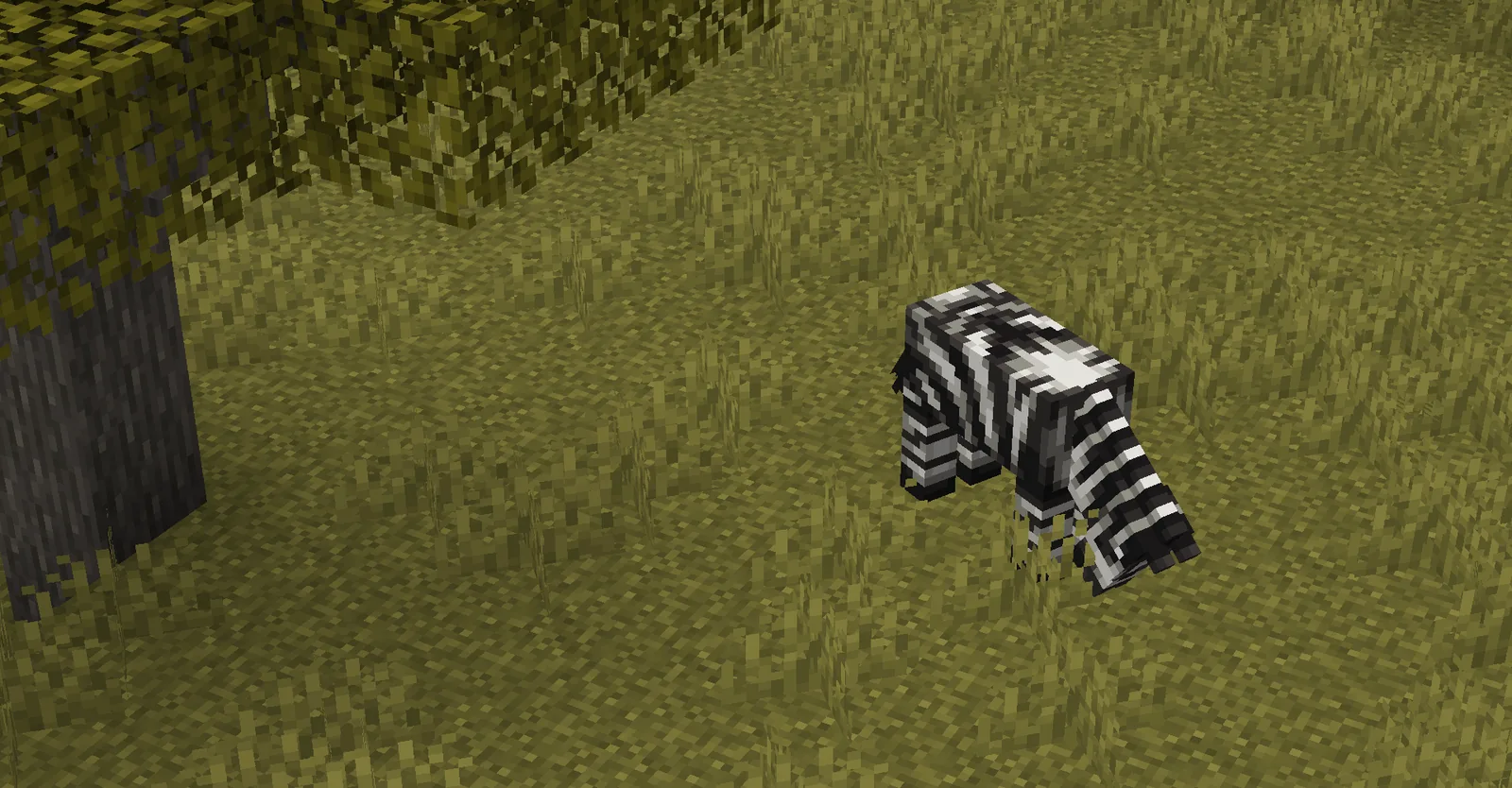
Animal overhaul mods add species with their own behaviour, food and habitat requirements, which makes the farming loop deeper and considerably more fiddly. They pair well with a world you are already treating as a long-term project and badly with a quick survival run.
The crop side of food production is covered in the automatic farm guide.
Villager-adjacent farming
Animal products feed directly into the trading economy. Leather from cows, wool from sheep and eggs from chickens all have buyers, which makes a well-sized animal farm an emerald source rather than just a food source.
That changes the sizing calculation. A farm big enough to feed you is small; a farm big enough to fund a trading hall is several times larger, and the five-minute cooldown means the only way to scale is more pairs.
Wolves, cats and the other tameables
Tamed animals breed on the same cooldown but with different foods, and the offspring inherit the tamed state. Cats and wolves are worth breeding for practical reasons – cats keep phantoms away from a base, and wolves are a genuine combat asset early on.
Transport
A lead works on most farm animals and is the simplest way to move one or two. For a herd, holding the breeding food and walking slowly is more reliable. Boats carry animals across water and can be pushed onto land, which remains the easiest way to relocate a cow over any real distance.
Minecarts work too and require rail, which is usually more effort than the animals are worth unless the route is permanent.
Sizing the farm
Four breeding pairs per species covers a solo player’s food and materials indefinitely. Eight pairs supports a trading operation. More than that is throughput you will not use and entity load your server will notice, which is the point at which a farm becomes a performance problem rather than a supply.
Images: Naturalist project gallery on Modrinth.