Key takeaways
- Industrial style depends on repetition and structure, not on scattering gears and pipes across a wall.
- A limited metal palette with strong value contrast does most of the work.
- The build should imply a process – material in, product out – even if nothing functional is happening.
Industrial builds are popular and mostly bad, for a consistent reason: the builder decorates a box with machinery instead of designing a structure that machinery would plausibly live in.
Start with the process
Before placing a block, decide what the building does. Material arrives somewhere, something happens to it, and something leaves. Even a purely decorative build becomes coherent once that flow exists, because the layout follows a logic the viewer can read.
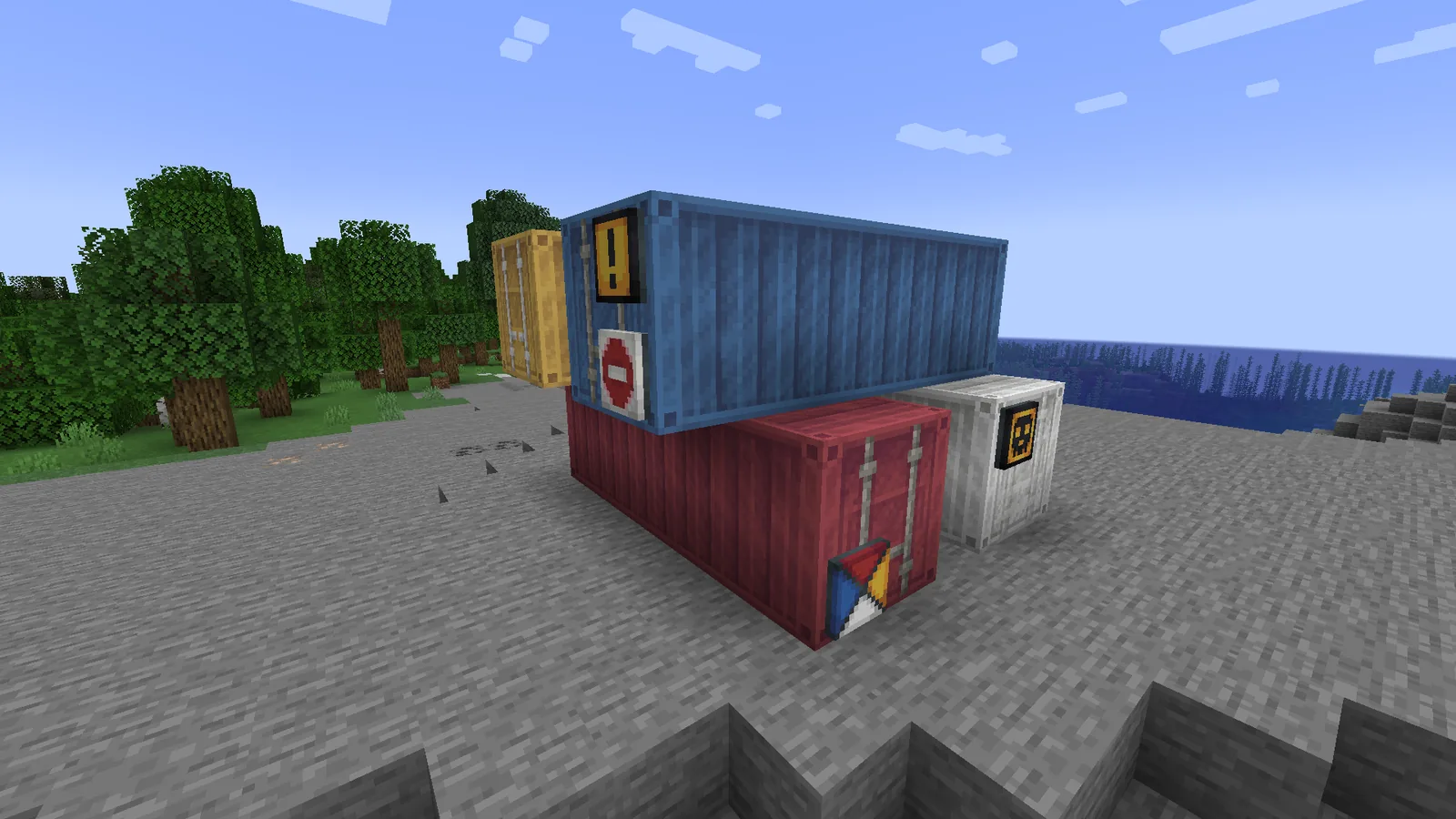
A silo next to an intake, a conveyor line running to a press, an output bay with crates. Nothing has to work. The shapes just have to imply that it could.
Repetition is the style
Industrial architecture repeats. The same window, the same truss, the same panel, at regular intervals across a long facade. Minecraft builders often avoid repetition because they have been told variety is good – in this style, that instinct is wrong.
Pick a bay width of five or seven blocks, build one bay properly, and repeat it. Break the rhythm once, deliberately, with a door or a stack, and that break becomes the focal point.
Palette
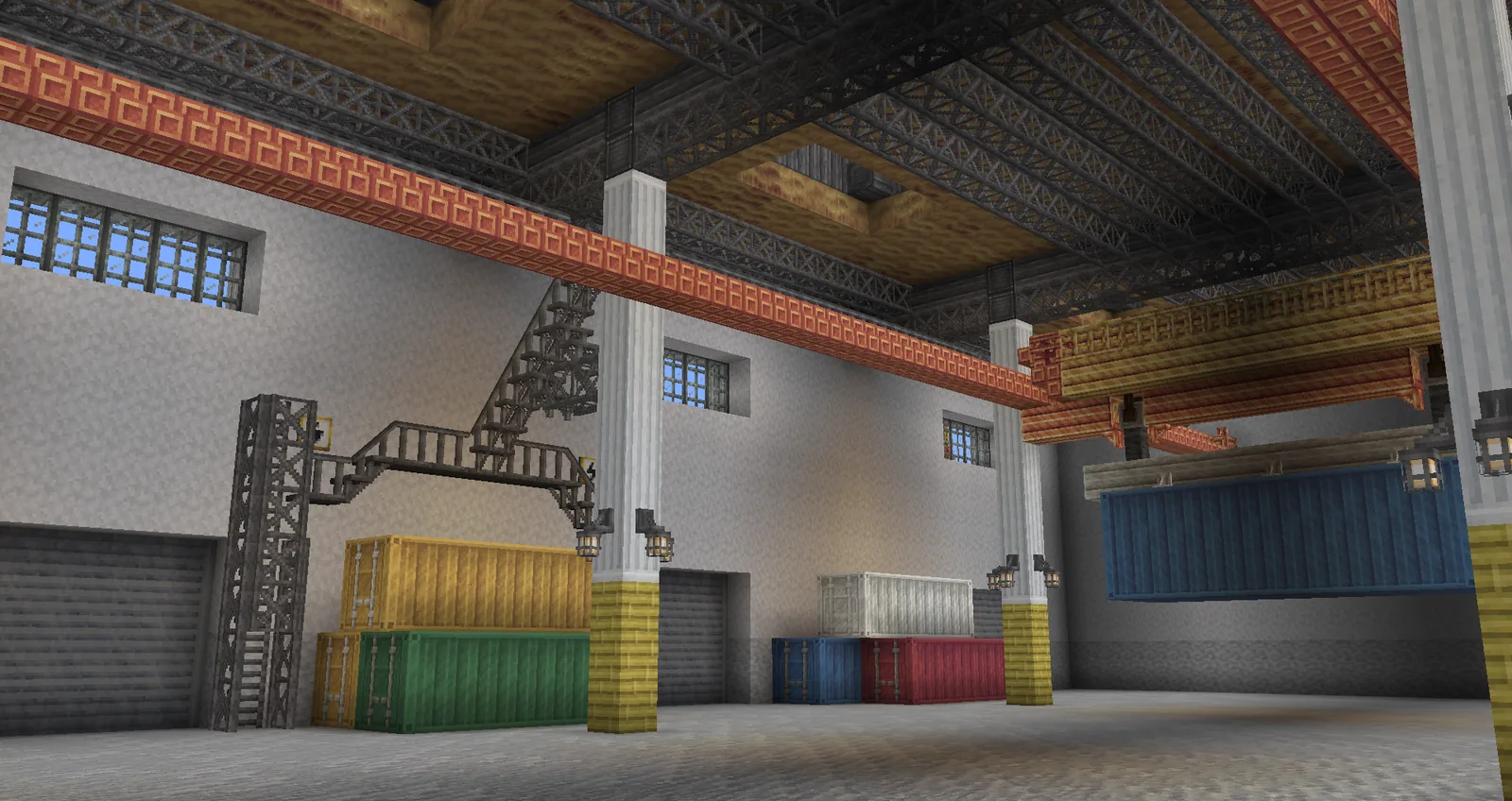
Two metals and one dark structural material will carry an entire build. Copper in its various oxidation states gives you a value range within a single material family, which is why it has become the default for this style. Deepslate, blackstone or dark concrete handle structure. Reserve a bright colour for warning stripes and signage only.
Glass matters more here than in other styles. Industrial buildings have large windows in regular grids, and that grid is often the strongest visual element on the facade.
Lighting the interior
Industrial interiors are lit from above by rows of fixtures, not by torches scattered on walls. A line of lanterns hung at a consistent height, or glowstone recessed behind trapdoors, reads as installed lighting rather than survival lighting – and that single detail does more for the style than any machinery.
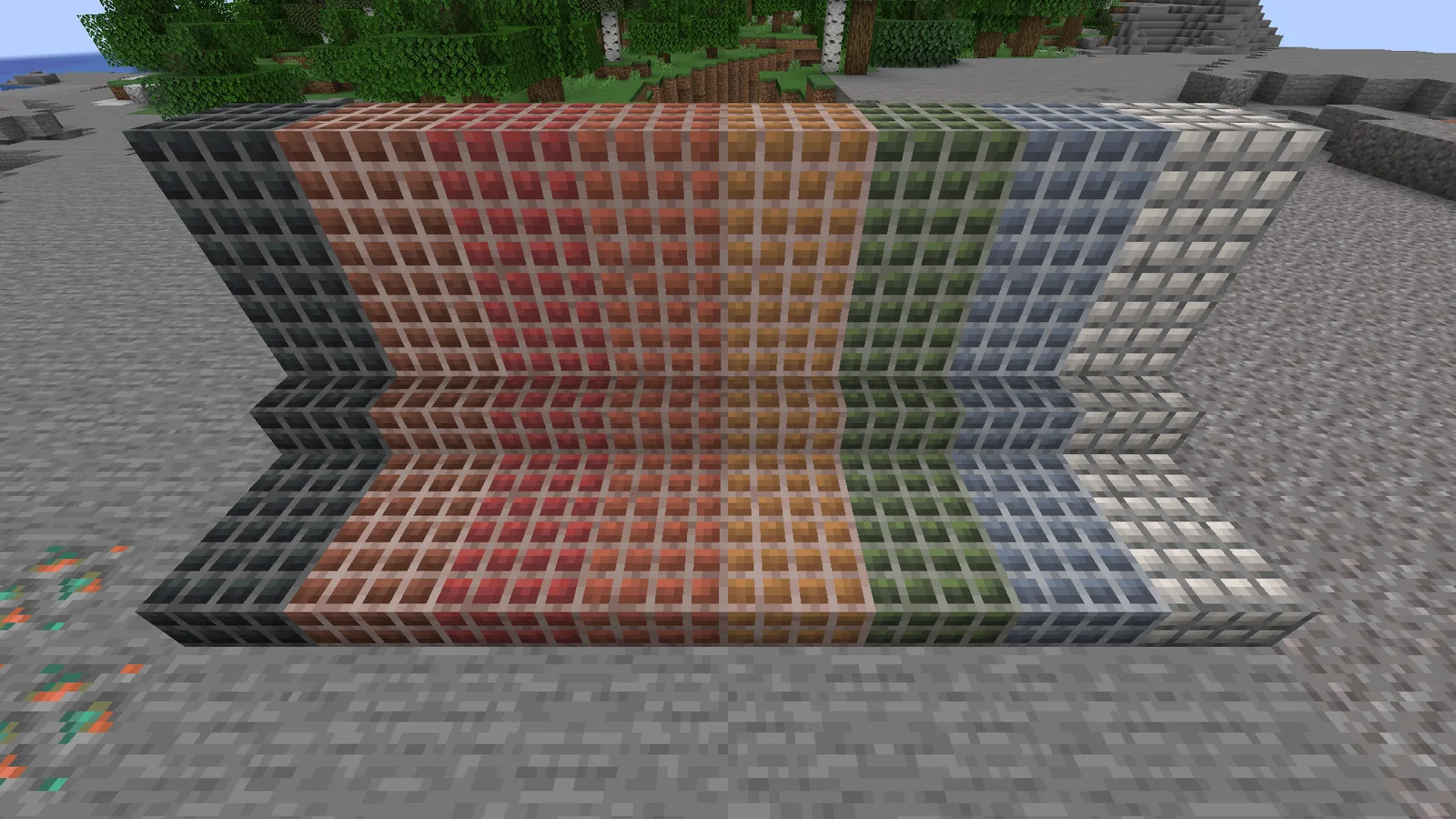
Our view is that the copper oxidation system is the most useful thing Mojang has given industrial builders, and most players still treat it as a colour to lock with wax immediately. Letting parts of a build oxidise at different rates produces a weathering effect that no other block family in the game can do.
Where to practise
Build a single small workshop before attempting a factory. The bay rhythm, the palette and the lighting all have to work at small scale first, and a workshop takes an hour instead of a week. The general principles are in the small builds piece, and palette selection in the palette guide.
Scale and the human reference
Industrial buildings read as large because they contain human-scale elements for comparison – doors, walkways, railings, ladders. Remove those and a big box is just a big box. Adding a two-block door and a one-block-wide catwalk to a facade makes the structure behind it feel three times bigger.
This is the cheapest trick in the style and the one most often skipped, because those details are small and feel insignificant while you are placing them.
Pipes and cable runs
Runs of pipe or cabling along a wall give an industrial build its texture. The rule is that they should go somewhere: from a tank to a machine, from a machine to a roof vent. A pipe that starts and stops arbitrarily reads as decoration, and the viewer notices even if they cannot say why.
Weathering and wear
Clean industrial builds look like models. Adding wear – oxidised copper patches, a stained section under a vent, gravel and coarse dirt where vehicles would turn – grounds the structure. Copper’s oxidation states make this easier in Minecraft than in most building games, and using several states of the same block on one facade is the fastest route to a convincing result.
Interiors
An industrial exterior with an empty interior is the most common half-finished build on any server. If you are not going to fill it, design the windows so the inside is not visible, or build a narrower structure you can actually furnish. A visible empty hall undoes the exterior work entirely.
Reference before you build
Spend ten minutes looking at photographs of real industrial buildings before starting. Note how few materials are in frame, how regular the windows are, and how much of the surface is plain. Minecraft builders almost always add more detail than the reference has, and the reference is what looks convincing.
Images: Create Deco project gallery on Modrinth.