Key takeaways
- The biomes are designed to sit inside vanilla’s visual language rather than replace it.
- It adds both overworld and nether biomes, which is less common than it sounds.
- It coexists with terrain shape mods reasonably well, but stacking it with another full biome pack is asking for trouble.
There are two schools of biome mod. One wants to make Minecraft look like a different game. The other wants to fill in the gaps vanilla left. This is firmly the second kind, and that is the main reason to pick it.
What it adds
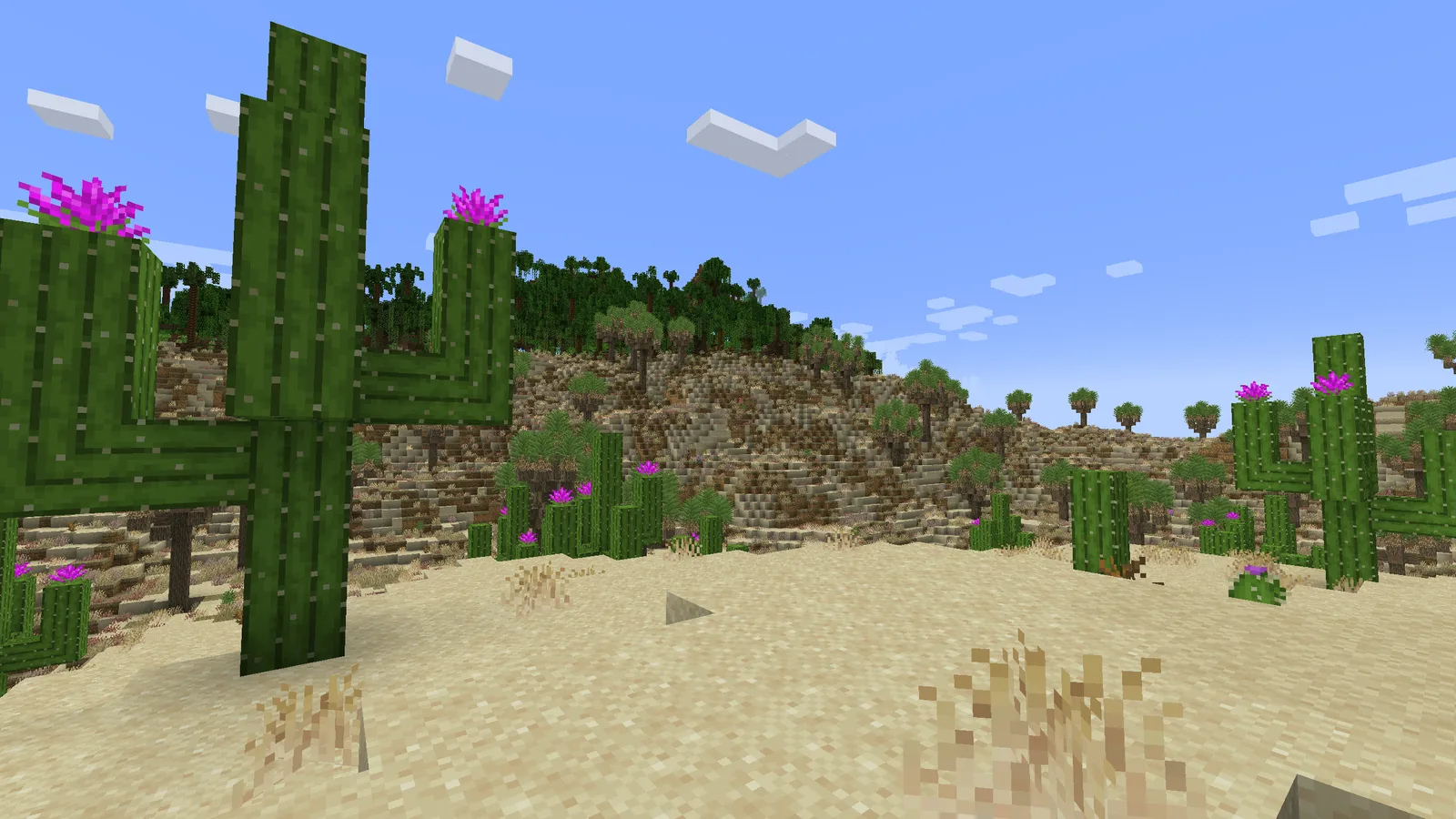
A large set of overworld biomes covering forests, wetlands, highlands and transitional zones, plus a set of nether biomes. The blocks and vegetation are new, but the palette and the shapes stay within the range the base game already uses.
The practical effect while playing is that you notice the variety without noticing the mod. A forest has a type rather than being generic, and travelling produces genuine changes in scenery rather than the same three trees at different densities.
The nether side
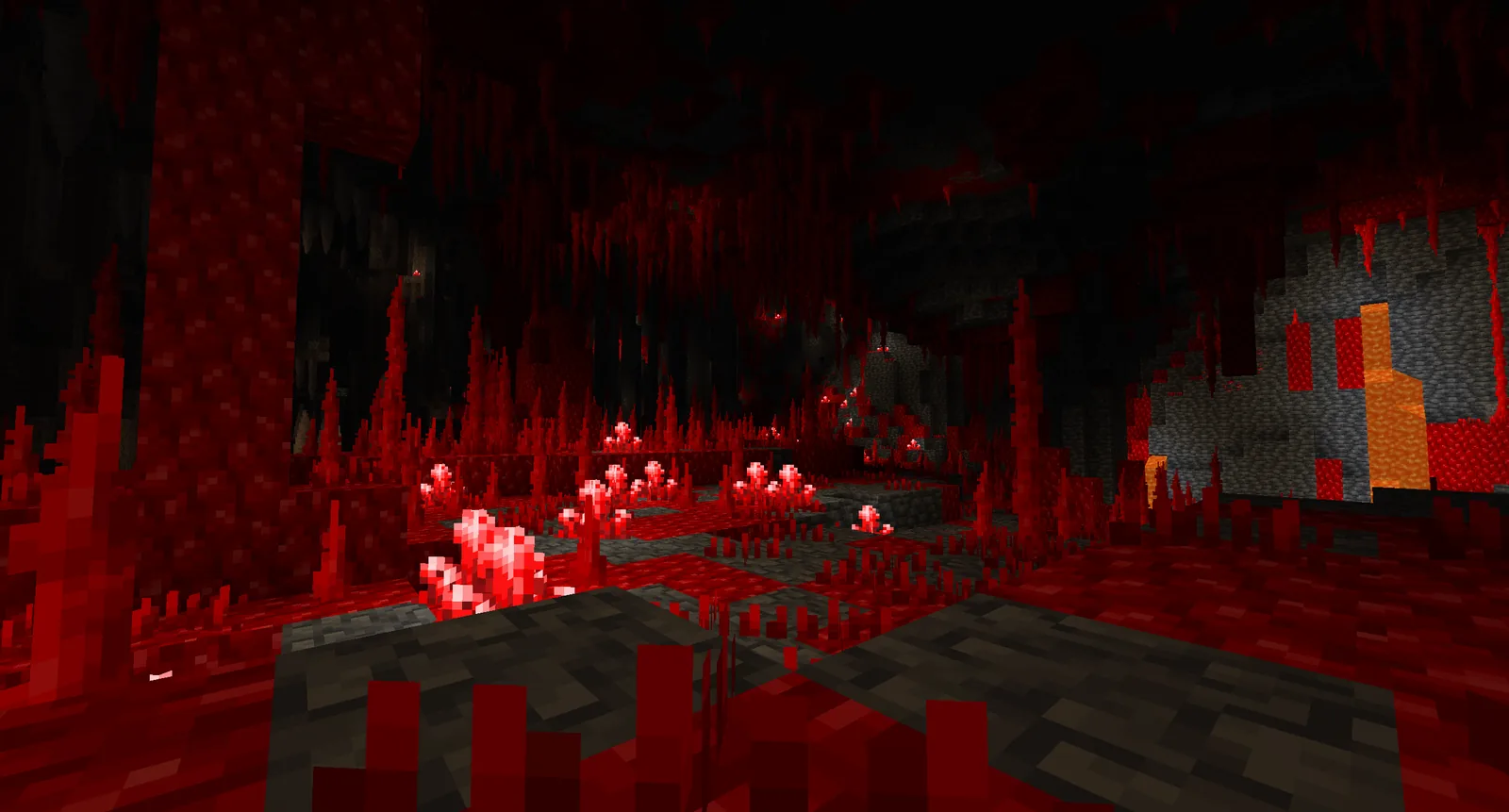
Nether biome additions are rarer than overworld ones because the dimension is harder to work with – the terrain is enclosed, the palette is narrow, and lava placement constrains everything. Having both in one mod means the jump between dimensions does not feel like leaving the modded content behind.
Compatibility in practice
It works alongside terrain shape modifications, since those change elevation and erosion rather than biome selection. It does not work well alongside a second comprehensive biome pack: both are competing for the same noise parameter space, and the result is fragmented and often ugly.
If you want both, the usual answer is to pick one as the primary and use the other only for its dimension-specific content, which requires configuration work that most players will not do.
Who it suits
Players who like vanilla’s look and want more of it. Server owners who want exploration to stay interesting without the world becoming unrecognisable. Anyone building a modpack who needs a biome layer that will not fight with the other forty mods on the list.
It is less suited to players who want a dramatic change. If the goal is towering fantasy terrain, a shape-focused mod will deliver that and this will not.
Our take is that restraint is genuinely hard in this category and is rarely rewarded with attention. A mod that adds a floating crystal dimension gets screenshots. A mod that makes the forest biome family four times more interesting gets installed and forgotten, which is the higher compliment.
Installing it
Standard mod loader installation, best done on a new world. On an existing world it will generate only in new chunks, with the seam problem described in the biome overhaul explainer.
How it feels over a long session
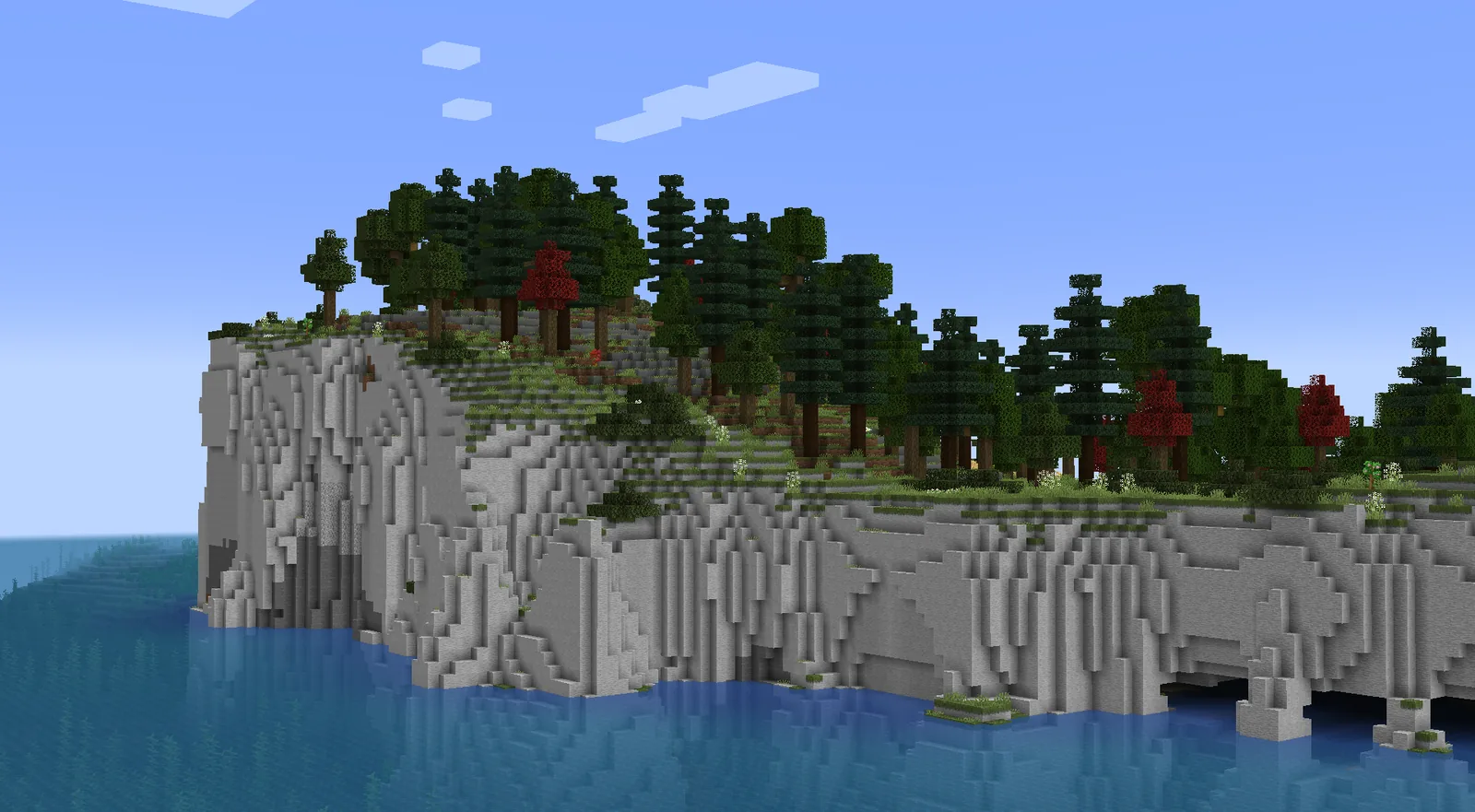
The test for a biome pack is whether travelling stays interesting after the first hour. Here it does, largely because the new biomes are placed by climate logic rather than scattered, so crossing terrain produces gradual transitions rather than abrupt switches.
The vegetation work carries most of that. Tree shapes and ground cover vary enough between related biomes that a spruce forest and a colder conifer forest read as different places, which vanilla only manages in a handful of cases.
Building materials
New wood types come with full block families, which is the practical measure of whether a biome mod is useful to builders. Several of the added woods have colour values vanilla does not cover, and those fill real gaps in palette work.
What to pair it with
A terrain shape mod for elevation and an additive mod for existing biomes. That combination gives dramatic landforms, varied biomes, and improved vanilla areas without any two mods competing for the same layer. Adding a second comprehensive biome pack on top is where players run into trouble.
Version support
Large biome packs are among the slowest mods to update, because biome definitions and worldgen code change frequently between game versions. Check the supported list before planning a long-running world around it, and expect to stay on a version for a while.
Verdict
The default recommendation for players who want more overworld without a new aesthetic. It respects vanilla’s look, it gives builders usable materials, and it covers both main dimensions. Treat it as your one comprehensive biome pack, pair it with a terrain shape mod, and leave the second biome pack on the shelf.
Images: Regions Unexplored project gallery on Modrinth.