Key takeaways
- Blizzard wound down first-party StarCraft II esports funding, and third-party organisers absorbed the circuit rather than letting it collapse.
- A game that barely changes is a liability for player counts and an asset for competitive depth.
- The scene is smaller than at its peak, but the skill ceiling has kept rising because nothing resets the accumulated knowledge.
Almost every esport depends on its publisher to survive. StarCraft II is the counter-example. Years after Blizzard stepped back from funding a global circuit, the game still has tournaments, still has full-time professionals, and still produces matches at a standard the 2012 scene could not have played.
What happened when the funding stopped
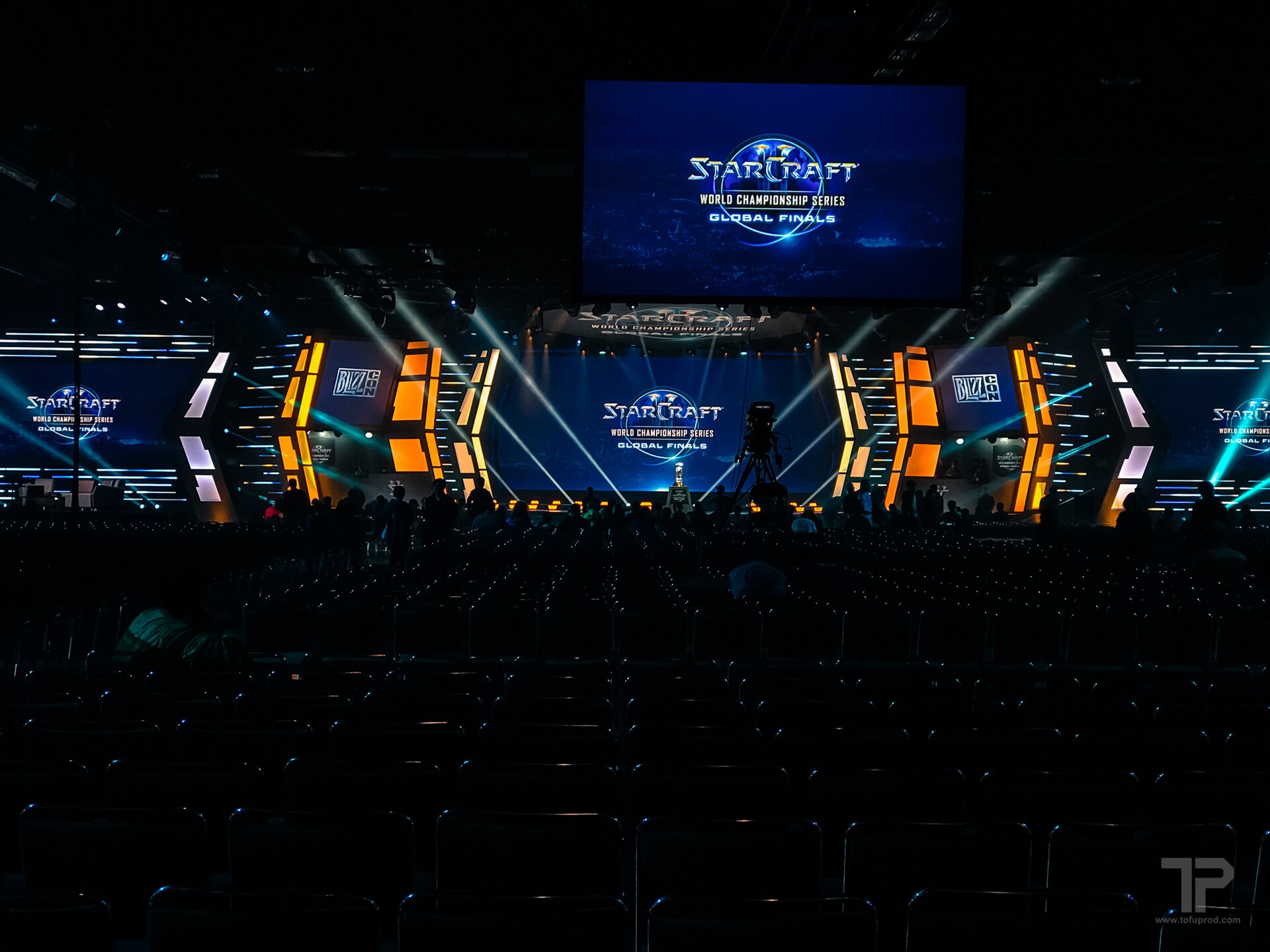
The World Championship Series was Blizzard’s structured circuit: regional competitions feeding a global final, with prize money and a points system attached. When first-party support wound down, the expectation was a fast collapse. Instead, established third-party organisers picked up the calendar, and community-funded prize pools filled part of the gap.
The scene that emerged is smaller, leaner and much less centralised. There is no single authority defining the season. There is a set of recurring tournaments that the same competitors attend, which turns out to be enough.
The advantage of a frozen game
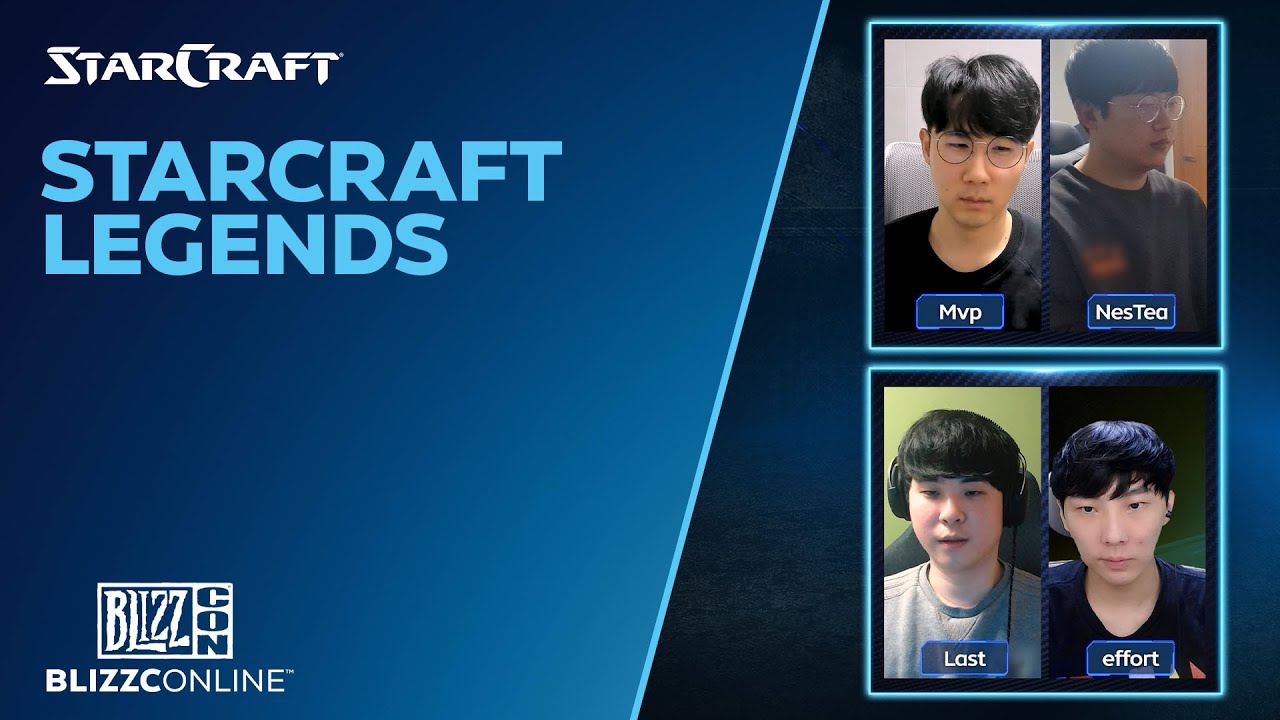
StarCraft II receives occasional balance adjustments, often community-driven, but it is essentially a finished product. For a live service game that would be a death sentence. For a competitive one it produces something unusual: cumulative mastery.
When the game does not change, nothing invalidates what a player learned five years ago. Build orders get refined rather than discarded. Timing attacks get shaved by seconds. The result is that the average professional game today is played at a level that would have looked superhuman at the game’s commercial peak.
The contrast with a continuously patched title is stark. In Valve’s MOBA, a large patch deliberately resets accumulated knowledge and rewards adaptation speed over depth – the dynamic described in the piece on the Dota 2 patch cycle. StarCraft II made the opposite trade, and both games got what they paid for.
Why one-versus-one changes the economics
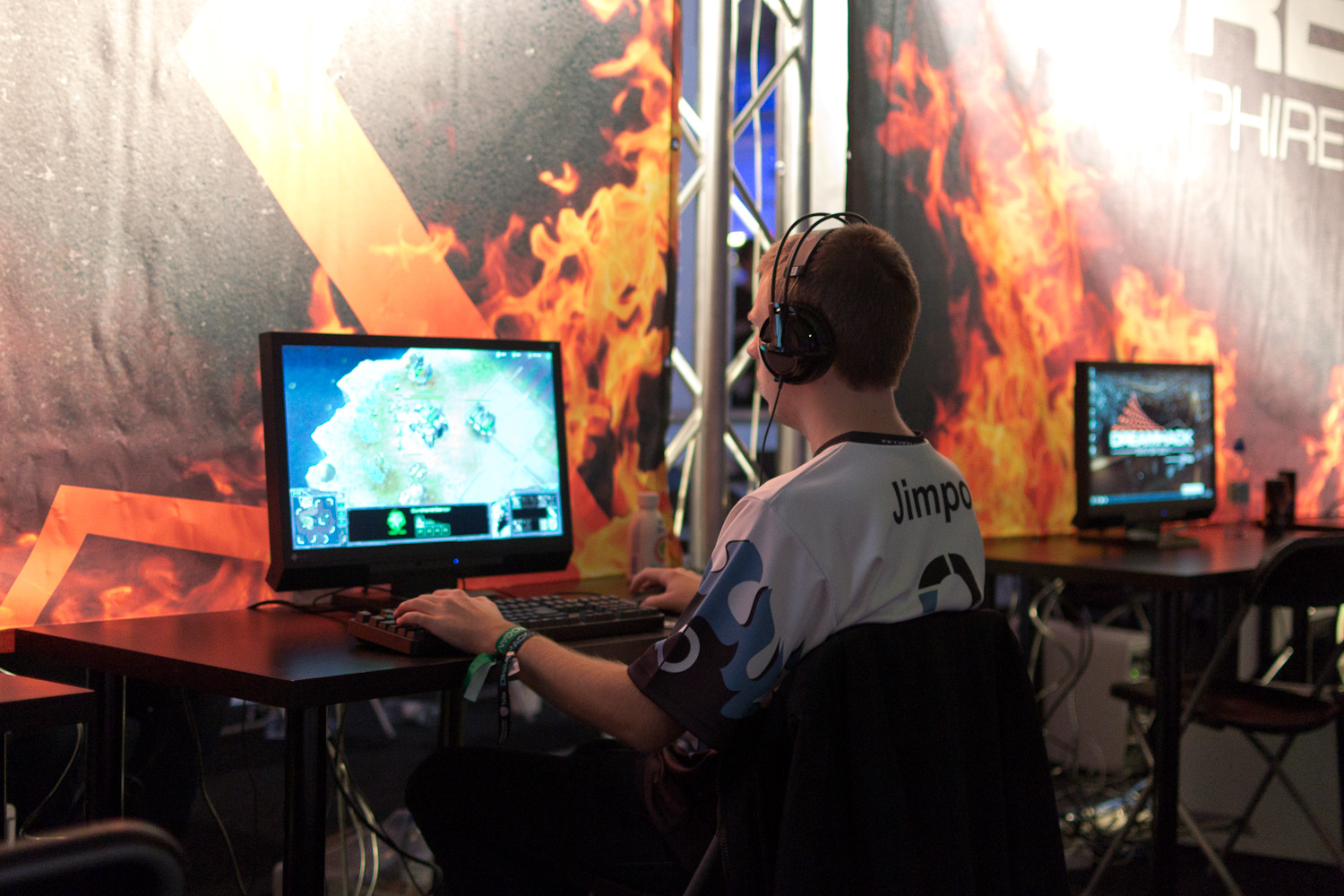
StarCraft II is a solo game at the top level. There are no five-player salaries, no substitutes, no coaching staff to fund. A tournament can pay out meaningfully to a handful of individuals on a budget that would not cover a single team-based roster for a month.
That is the quiet structural reason the scene survived. It is cheap to run relative to team esports, the talent pool is self-selecting, and the best players can compete from anywhere with a stable connection. The same maths is why fighting games persisted through years without publisher circuits.
What it costs
The scene is not thriving in the way a franchised league is. Prize pools are modest, the audience is a fraction of its peak, and the pipeline of new professionals is thin because the game is old and hard and no longer marketed. Several of the most recognisable competitors have been at the top for over a decade, which is a testament to their skill and a symptom of the problem.
Our honest assessment is that StarCraft II now works as a craft scene rather than a growth industry – closer to a long-running fighting game community than to a modern publisher circuit. That is a legitimate way for an esport to exist, and the people who dismiss it because the numbers are small are measuring the wrong thing.
Where to watch
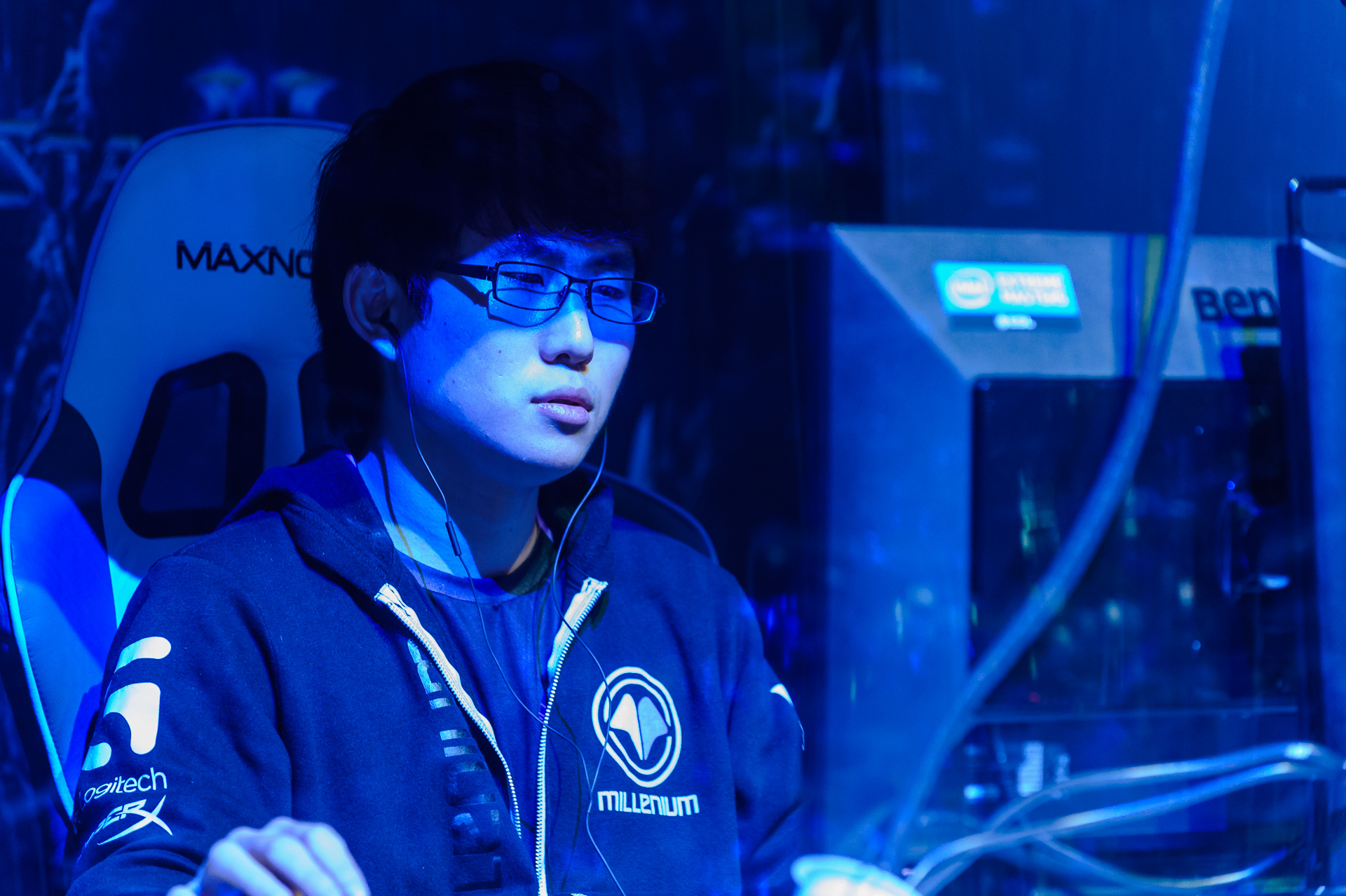
Start with a recent tournament final rather than a ladder stream. Solo strategy games are far easier to follow than five-versus-five titles once a commentator is explaining the two economies on screen, and a good final will teach you the fundamentals in two hours.
For the other end of the spectrum – a fully publisher-run, franchised system – see the League of Legends structure.
How community funding changed the model
When publisher money receded, part of the gap was filled by community-funded prize pools attached to events. That model ties the scene’s income directly to the enthusiasm of the people watching it, which is both its strength and its ceiling – it is sustainable at the current size and cannot easily grow beyond it.
Regional character
The game retains distinct regional styles, partly because the scene is small enough that a handful of players define a region’s approach. That is unusual in modern esports, where global scrim culture flattens style differences within months, and it makes cross-region matches genuinely interesting rather than a difference in form.
Starting to watch it
A solo strategy game is the easiest esport to learn as a viewer, because there are only two players and the commentary can explain both economies without missing anything. Start with a best-of-five final, accept that you will not follow every decision, and watch the worker counts and the supply numbers – those two figures tell you who is ahead more reliably than the fighting does.
Images: Blizzard Entertainment, via the official StarCraft channel; tournament photography via Wikimedia Commons (CC BY-SA). Official game site: starcraft2.blizzard.com.