Key takeaways
- Dota 2 receives infrequent but very large patches, which resets the competitive picture rather than nudging it.
- Teams that adapt fastest to a new patch gain a window of advantage that closes within weeks.
- The open tournament circuit means a patch lands mid-season, and organisers work around it rather than the other way round.
Most competitive games patch in small increments. A few percentage points here, a cooldown there, delivered often enough that the game drifts rather than jumps. Valve does the opposite with Dota 2: fewer patches, each one large enough to invalidate a season of preparation.
The shape of a big patch
A major Dota patch does not just adjust numbers. It reworks items, changes map features, alters neutral creeps, and sometimes rewrites entire heroes. The result is that positions and roles get redefined – a hero who was a safe lane carry becomes a support, and a strategy that was unplayable becomes the first pick in every draft.
For players, that is a genuine relearning cost. For the professional scene, it is a scramble. Teams arrive at the first tournament after a patch with half-formed ideas, and the first few series are effectively public research.
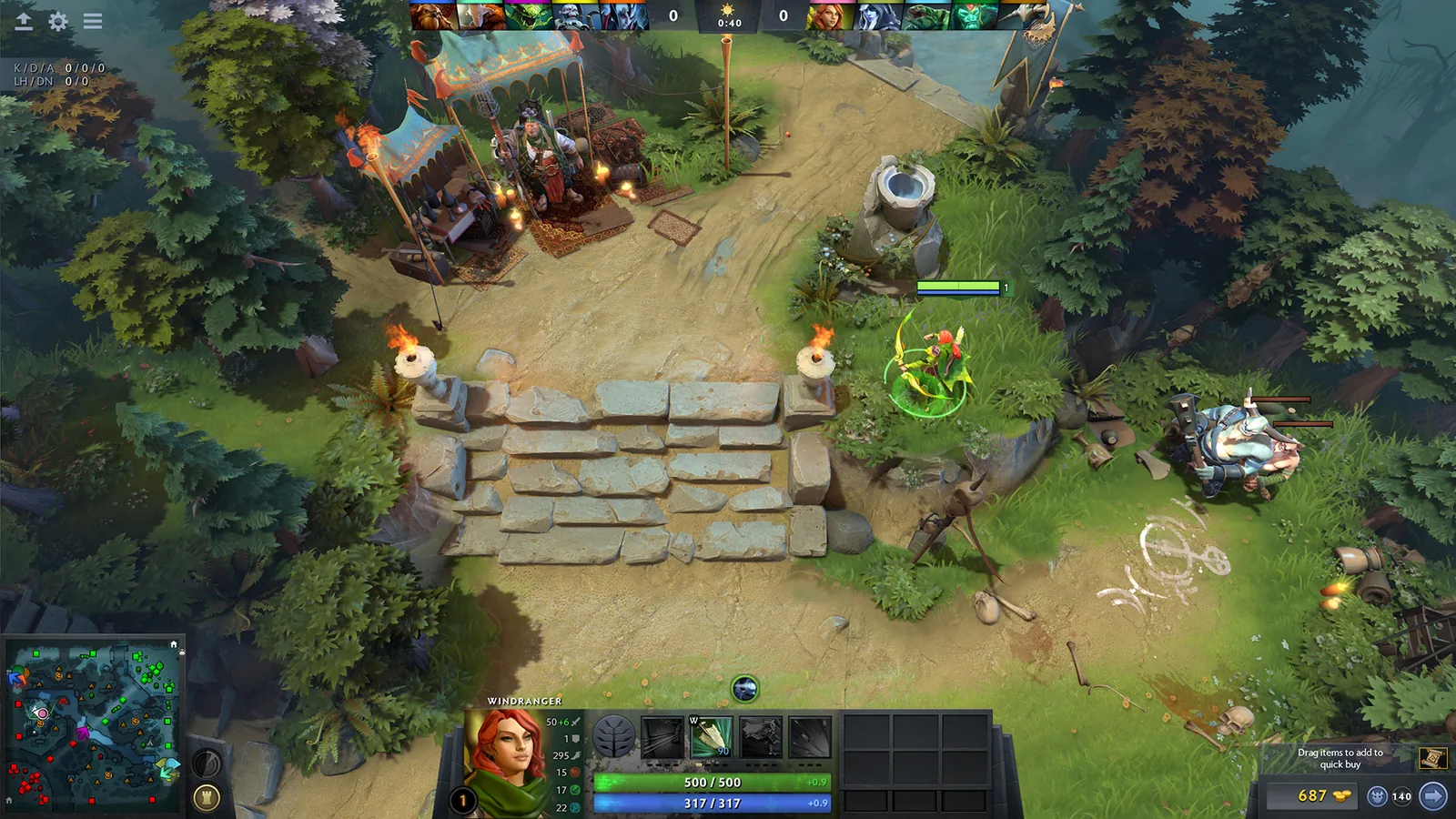
Why the adaptation window matters so much
The advantage from reading a patch correctly is real but short. A team that identifies an overpowered combination in week one can ride it through a tournament. By week four, everyone has seen the replays, the counter-draft exists, and the edge is gone. In a circuit with events running continuously, that window can be worth an entire tournament result.
This is the structural difference between Valve’s approach and Riot’s. Riot’s calendar is scarce and controlled, so balance changes are timed around it – the logic behind the regional league and Worlds structure. Valve’s circuit is open and near-continuous, so a patch lands in the middle of it and everyone deals with the consequences.
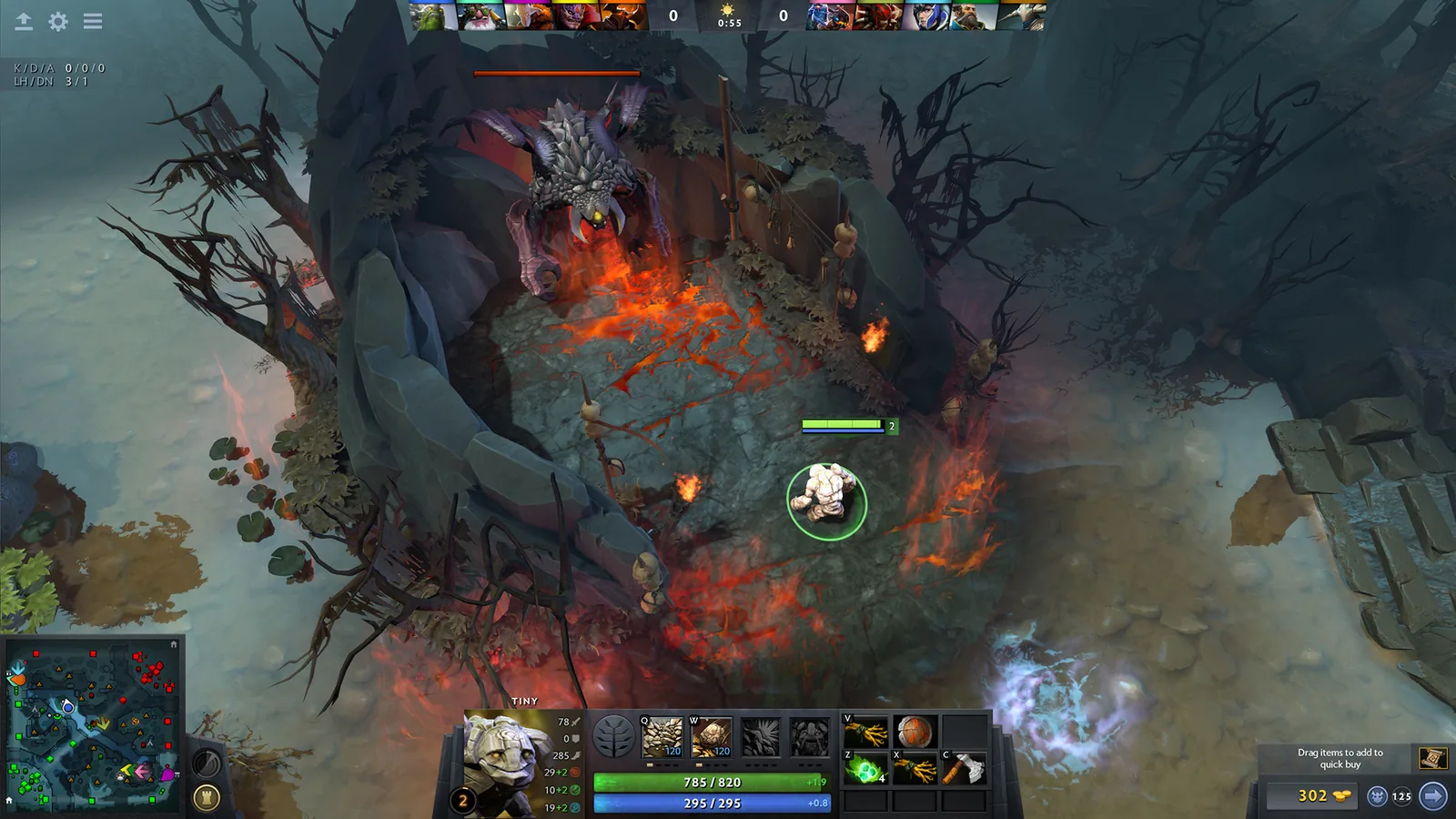
What this does to spectating
It makes Dota unusually hard to follow casually and unusually rewarding to follow closely. A viewer returning after a year will not recognise the item builds. A viewer who watched the patch notes and the first weekend of games afterwards gets to watch the metagame being solved in public, which is a genuinely distinct spectacle – closer to watching an opening theory develop in chess than to watching a sports season.
The trade-off is accessibility. Every large patch resets the knowledge barrier for new viewers, and the game has never really solved that. Our read is that Valve has made peace with it: the design treats depth as the product and accepts the smaller audience that comes with it.
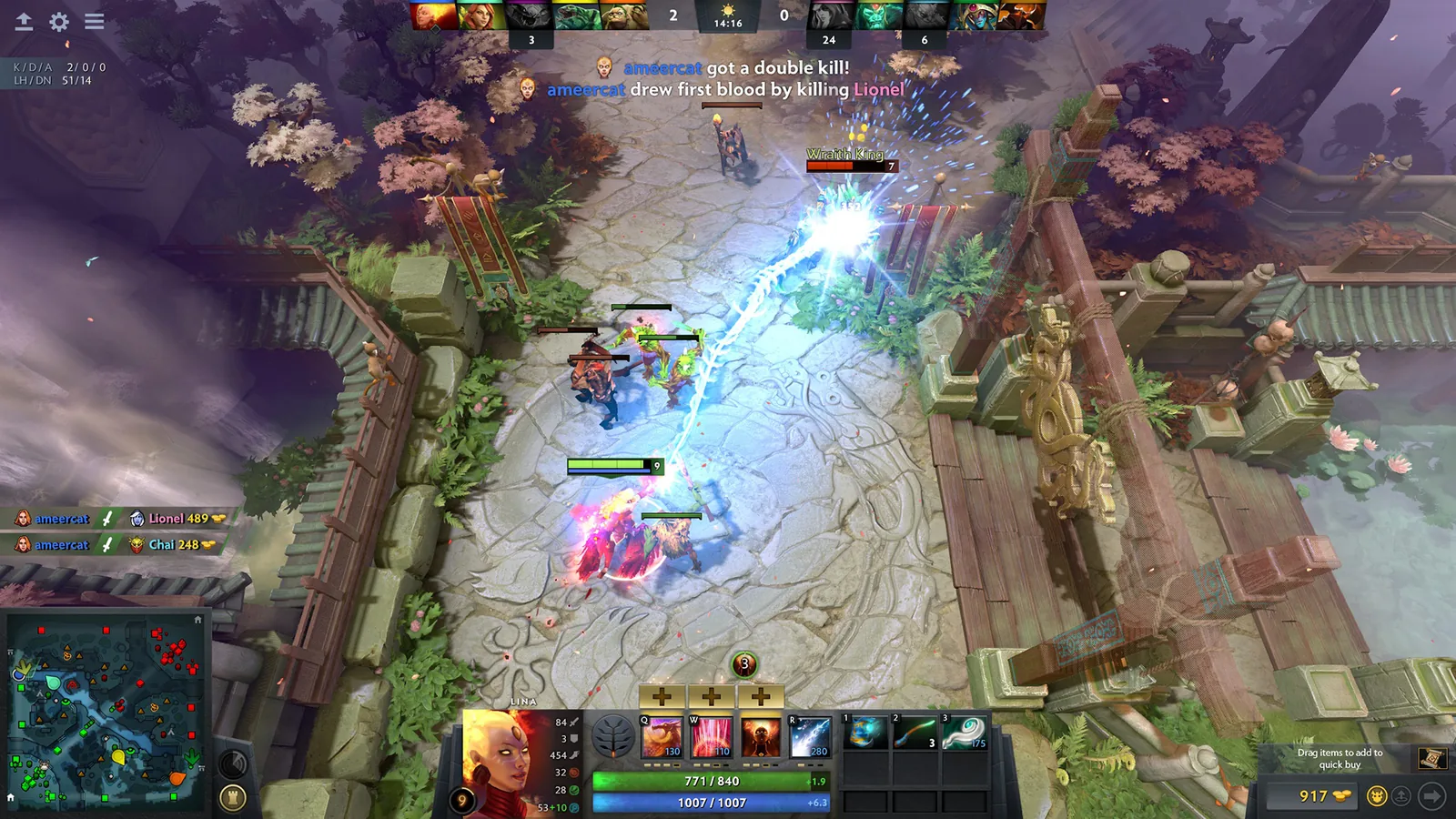
How teams prepare when the ground keeps moving
Serious rosters do not prepare strategies so much as prepare a process. Scrim blocks immediately after a patch, a shared document of what worked, and a draft philosophy flexible enough to survive being wrong. The teams that fall behind are usually not the ones that misread the patch, but the ones that took too long to admit they had.
For a game that takes the opposite approach – a tightly controlled seasonal reset instead of continuous upheaval – see the Diablo IV season structure.
What a patch does to the draft
Drafting is where a patch becomes visible. Each side picks and bans heroes in a structured sequence, and the value of any single hero depends on what it counters and what counters it. Change an item and a whole cluster of heroes shifts in value at once, because their power depended on that item being available at a certain timing.
Immediately after a large patch, drafts look chaotic. Teams first-pick heroes that would have been unthinkable a week earlier, and the bans reveal what each team fears rather than what is objectively strong. Within a few weeks the draft settles into a recognisable shape, and that shape is the metagame.
Why the community reads patch notes like legislation
A single line changing a cooldown by half a second can matter more than a paragraph rewriting a hero, because the cooldown determines whether an ability can be used twice in a fight. Experienced players read for those interactions rather than for headline changes, and the community’s collective analysis in the first forty-eight hours is often better than any individual team’s.
That public analysis is itself part of the cycle. Valve ships a patch, thousands of people test it in public, the professional scene absorbs the results, and the studio watches what happened before deciding what to adjust next. It is a slower, messier, and arguably more honest balance process than a closed testing programme.
Watching a post-patch tournament
The first event after a patch is the most interesting one to watch and the hardest to predict. Favourites underperform, unknown teams look inspired, and half the results are explained by preparation rather than skill. If you only watch one tournament a year, make it that one.
Images: Valve, via the Dota 2 Steam store page. Official game site: dota2.com.