Most Minecraft servers die quietly. Not from griefing, not from lag, not from a bad update – they die because two months in, the people who used to log in every evening have finished their base and have no reason to open the launcher. Events are the standard answer to that, and most of them are done badly.
Why the usual event fails
The default community event is a build competition with a theme and a prize. It gets announced two weeks out, four people enter, two finish, and the winner is decided by a vote in which most participants vote for themselves.
The failure is not enthusiasm, it is cost. A build competition asks for several hours of solo work with no interaction, which is exactly what a bored player is already not doing. An event has to be cheaper to join than the thing it is competing with.
The cheap-entry principle
The events that reliably work share one property: you can join by turning up, and you can leave without wasting anything.
- A scheduled gathering. Everyone at spawn at a fixed time on a fixed day, doing whatever. No structure needed. This sounds too simple to count as an event; it is the single highest-return thing a small server can do.
- A group expedition. Announced destination, boats or elytra, everyone goes. A trip to a far biome or a stronghold raid with eight people is a different game from doing it alone.
- A build day, not a build competition. Same theme, same deadline, but everyone builds on adjacent plots on the same afternoon while talking. The output is worse and the participation is five times higher.
- A shared infrastructure project. A nether hub, a rail network, a communal farm district. Open-ended, joinable at any point, and it leaves something behind.
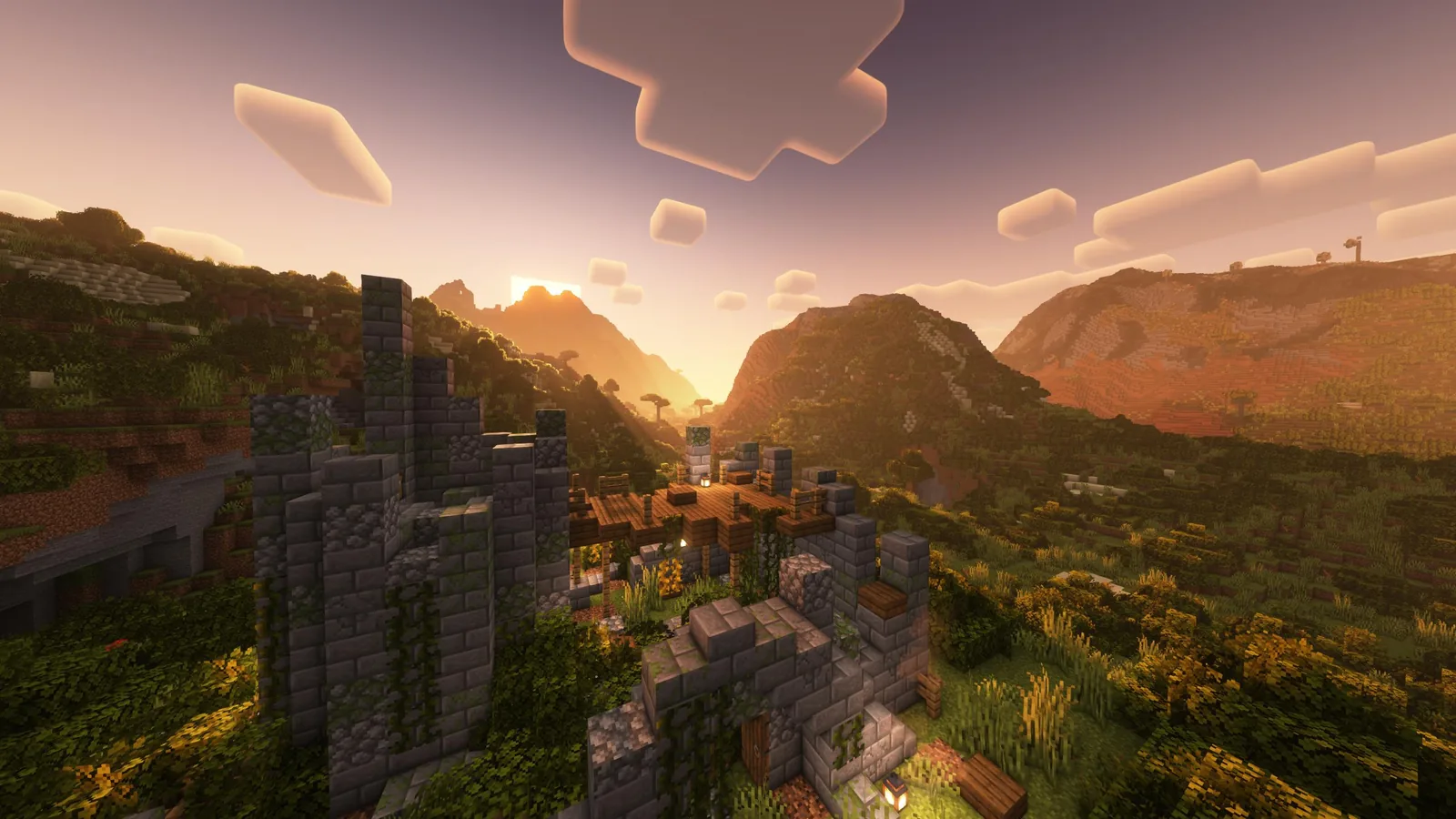
Infrastructure projects are the strongest
The last one deserves its own paragraph because it is the only kind of event that compounds. A nether hub built by six people over three weeks does not end when the event ends – it changes how everyone travels for the rest of the server’s life, and every new member inherits it.
It also solves the participation problem structurally. Someone can contribute for twenty minutes or for a whole weekend, and both are useful. There is no entry cost and no way to lose.
The practical requirement is that somebody has to own the layout. A hub built by consensus becomes a mess; a hub with one coordinator and six contributors becomes a landmark. The same is true of a shared settlement – the projects that survive are the ones where the grid was decided before the first block went down.
Scheduling, which is the actual hard part
Events fail on timezones more than on ideas. A server with players across three continents cannot have one event time, and pretending otherwise means the same third of the player base attends everything.
Two things help. Rotate the time rather than the day, so the same slot does not always exclude the same people. And make the recurring gathering weekly rather than monthly – a weekly thing that half the server attends builds more habit than a monthly thing everyone attends.
Announce in the place people actually read. If your server has a Discord, that is it. In-game announcements reach only the players who are already online, which is the group that needs the reminder least.
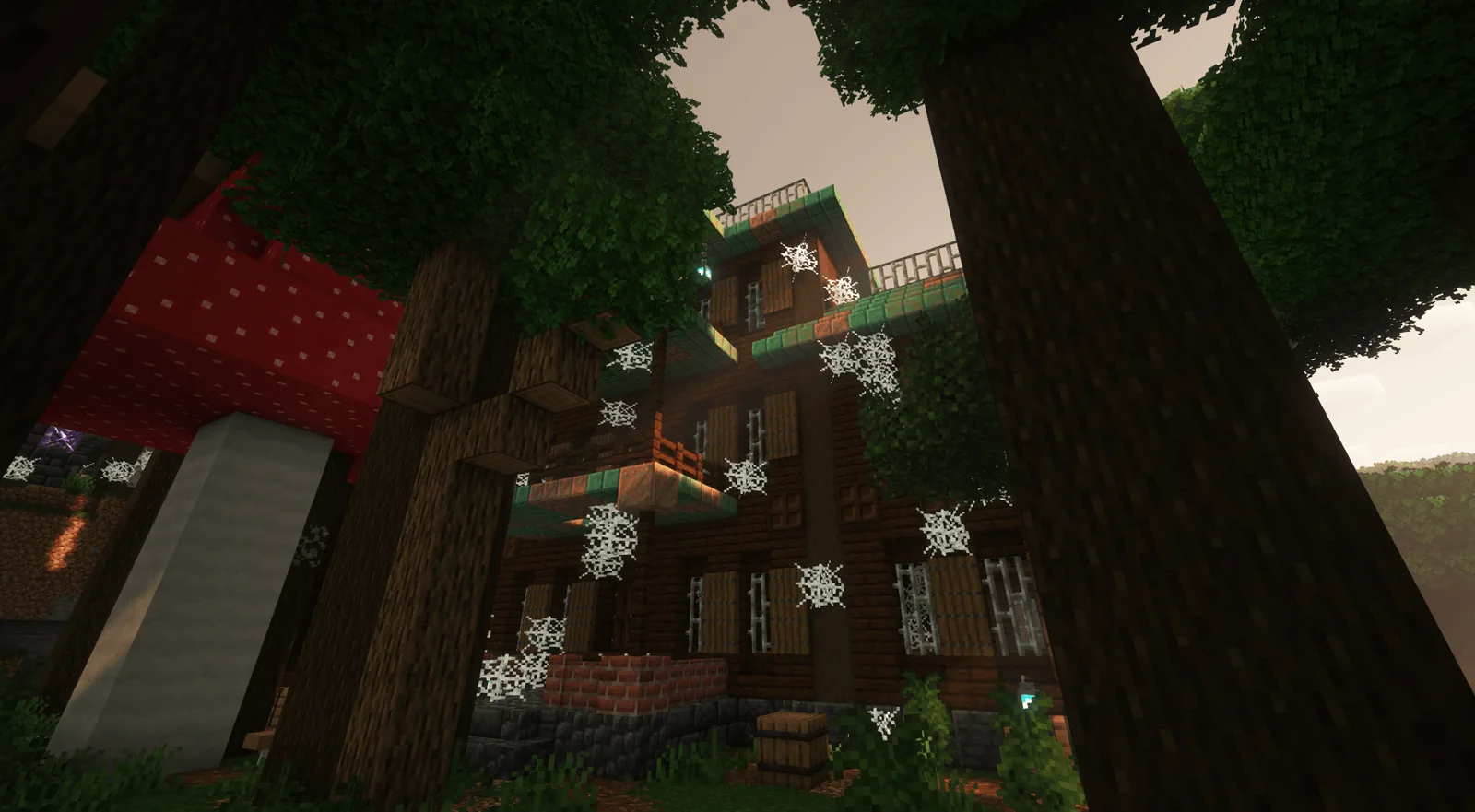
Prizes are mostly a mistake
Handing out diamonds, netherite or admin-spawned items for winning an event creates two problems. It puts material into the economy that nobody earned, and it converts a social activity into a competitive one, which raises the entry cost again.
Better prizes: a plot in a prominent location, a title or colour in chat, the winning build kept as a permanent landmark, naming rights on a piece of shared infrastructure. All of them cost nothing and none of them distort the game. If your server runs ranks and permissions already, a cosmetic rank is the easiest lever you have.
Frequency and burnout
A server running an event every week will exhaust its organiser within two months. One recurring low-effort gathering plus one real event a month is sustainable; anything more is a second job.
The organiser burnout problem is real and underdiscussed. If one person is running every event, the server has a single point of failure, and it usually fails at the same moment that person’s interest does. Recruiting a second organiser early is more valuable than any individual event.
What events cannot fix
If players are leaving because the server lags, because moderation is inconsistent, or because the world is exhausted, events will not help. They are a retention tool for a healthy server, not a repair tool for a broken one.
The honest diagnostic question is whether people are logging in and finding nothing to do, or logging in and finding something annoying. Events fix the first. The second needs the groundwork to be right instead.
Images: Structory project gallery.