Key takeaways
- Nvidium 0.4.4-beta3 released 17 July 2026, fixing invalid GlProgram caching in B3D.
- Nvidium is Nvidia-only and requires Sodium. It is not a general-purpose performance mod.
- Where it works, it is the largest render-distance gain available.
Nvidium is the most specific performance mod in Minecraft: it requires an Nvidia GPU, it requires Sodium, and in exchange it rewrites chunk rendering to use hardware features that most of the game’s renderer cannot assume exist.
What “beta” means here
It means what it says. Nvidium has been in beta for a long time and the releases are genuine bug fixes rather than polish – 0.4.4-beta3 fixed a caching problem that produced invalid shader programs, which is the kind of bug that manifests as visual corruption rather than a crash.
Running it is a trade: very large gains, occasional rendering weirdness, and a driver-specific failure mode that nobody else can reproduce.
Why vendor-specific mods exist at all
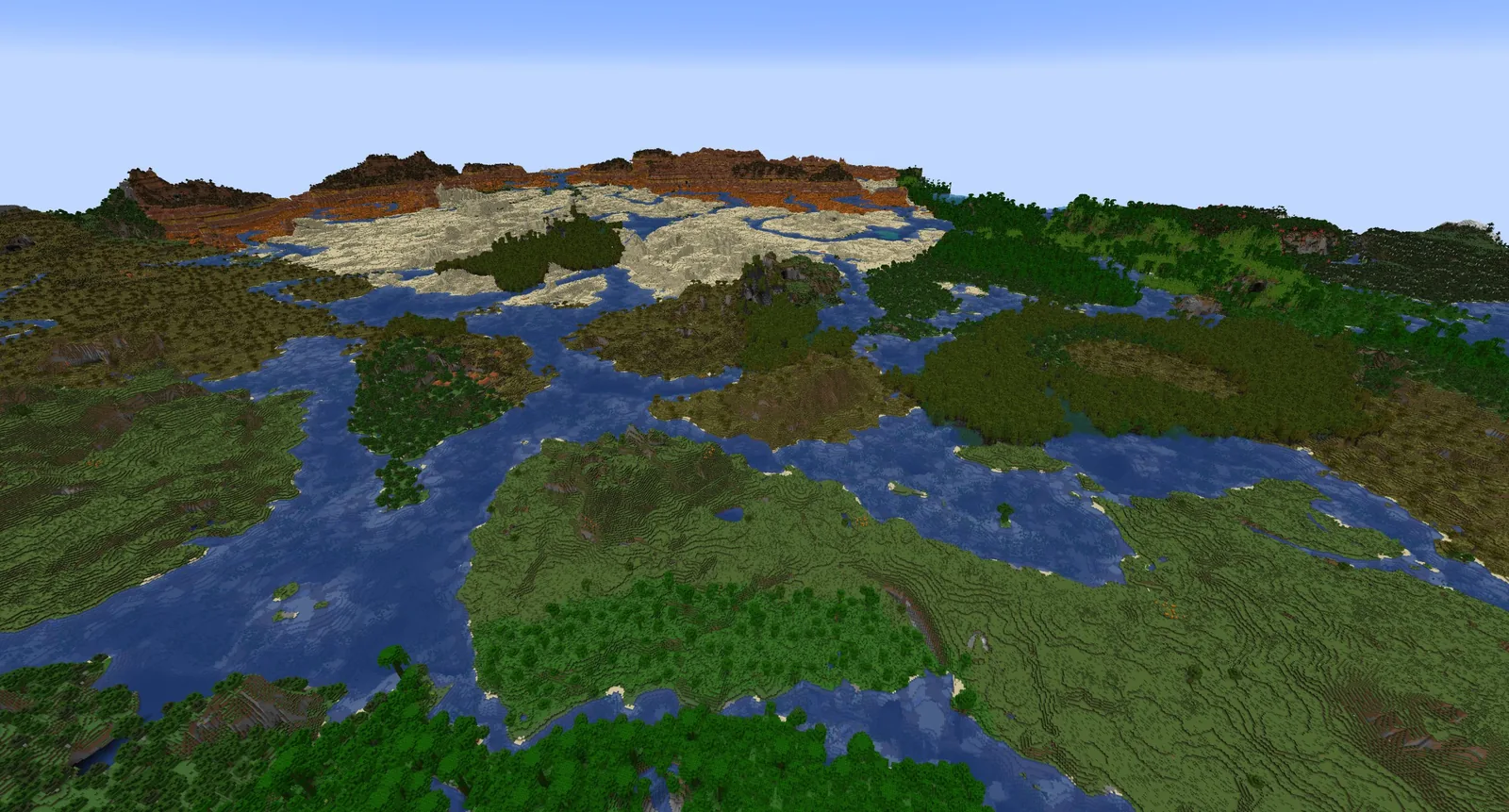
Because a renderer that must work on every GPU has to target the lowest common capability. Nvidium does not – it targets one vendor’s extensions and uses them, which is how it can render far more chunks for the same frame time.
The cost is that it works for a subset of players and cannot be recommended generally.
Where it sits in the stack
On top of Sodium, not instead of it. Sodium replaces the chunk renderer; Nvidium replaces how that renderer talks to the GPU. Both are required, in that order, and adding Nvidium to a setup without Sodium does nothing at all.
If you are building that stack, the five that matter and what each fixes is the order to install them in.
What it is good for
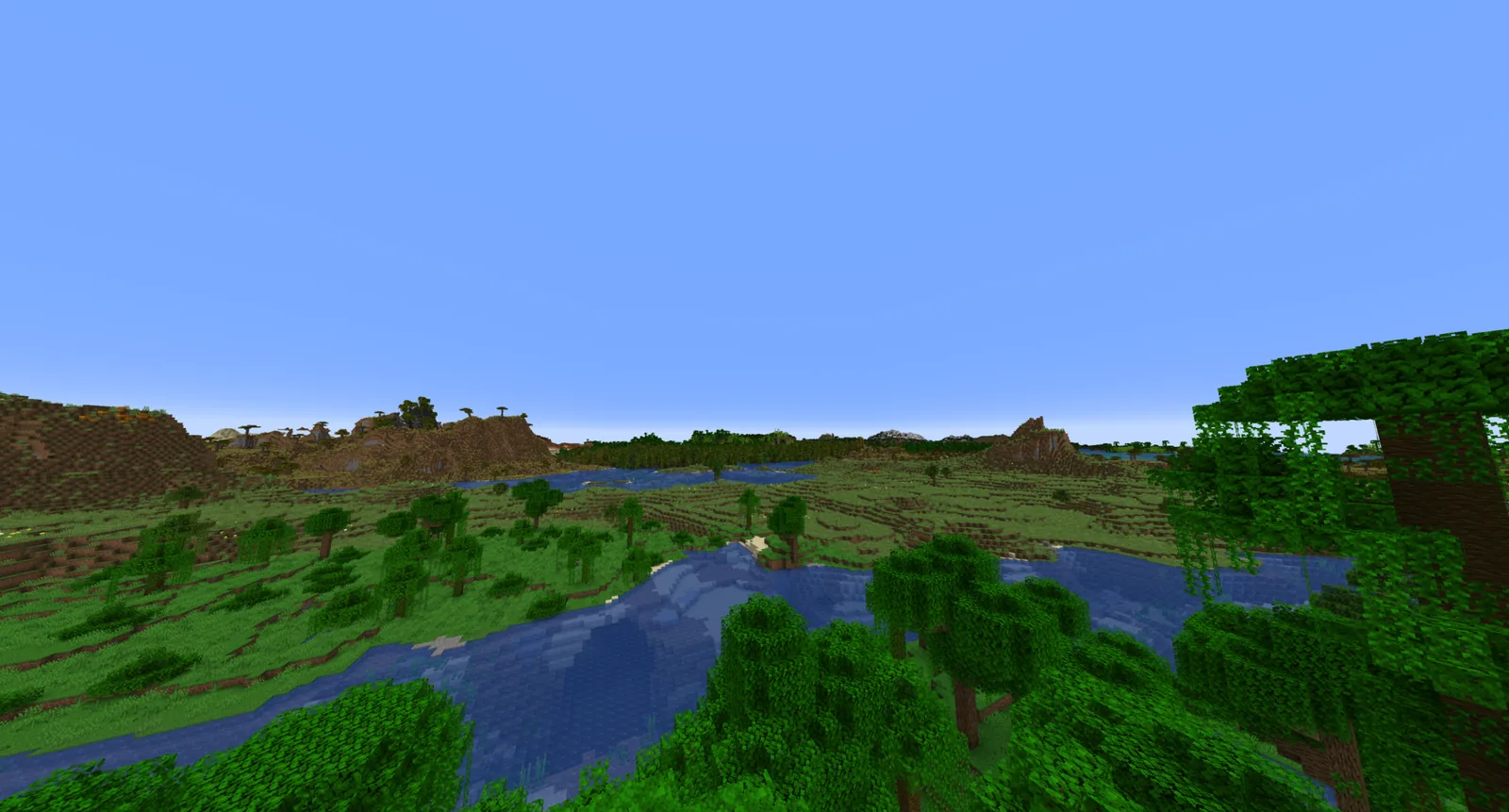
- Very high render distances – 32 chunks and beyond.
- Large builds viewed from a distance.
- Elytra travel, where chunk throughput is the limit.
It does almost nothing for a low-end machine at 8 chunks, which is the setup most people asking about performance mods actually have.
The stutter caveat
High render distance moves the bottleneck to chunk building, and chunk building shows up as stutter while flying rather than as low frame rate. Raising render distance because a mod made it possible is how people trade one complaint for another.
The stutter breakdown is worth reading before you push the slider, because the fix for that symptom is different and partly not a mod at all.
Release note
0.4.4-beta4 followed on 25 August and beta5 on 29 August, the latter raising the maximum translucent quad count from a short to an int – which fixed sections failing to render entirely in builds with a lot of glass or water.
What the fix was
B3D – the mod’s internal geometry handling – was caching shader program objects that were no longer valid. A cached invalid program produces either nothing drawn or garbage drawn, depending on the driver, which is why reports of this bug were inconsistent.
Cache invalidation bugs are famously hard for exactly this reason: the symptom depends on what was in the cache when it went wrong.
What Nvidium does differently
It uses Nvidia-specific extensions to let the GPU drive more of the chunk rendering process, reducing the number of times the CPU has to tell it what to do. On a system where the CPU was the limit – which at high render distance it usually is – the gain is enormous.
On a system where the GPU was the limit, it does very little. The mod is a fix for one specific bottleneck.
Requirements, precisely
- An Nvidia GPU, Turing generation or newer in practice.
- Sodium installed and working.
- A recent driver – this matters more than usual.
- Tolerance for beta software.
Anyone on AMD or Intel graphics gets nothing from this mod, and there is no partial mode.
When to turn it off
If you are seeing missing chunks, flickering geometry or corrupted text, disable it before investigating anything else. It is the single most likely cause of unusual rendering behaviour in a stack that includes it, simply because it is the component making the most aggressive assumptions.
That is not a criticism. It is the deal the mod openly offers.
The beta line through 2026
- beta2, 16 July.
- beta3, 17 July – the GlProgram caching fix.
- beta4, 25 August.
- beta5, 29 August – translucent quad counter.
Two fixes a day apart in July suggests beta2 shipped with something obvious in it, which is what betas are for.
Nvidium is worth understanding even if you cannot run it, because it shows what Minecraft’s renderer gives up by being portable. Every assumption a general renderer cannot make is performance left on the table, and this mod is a measurement of how much. That gap is also the reason the vanilla backend work this year mattered – not for the frames it delivered on day one, but for the assumptions it made possible later.
Images: Nvidium and Distant Horizons project galleries on Modrinth.