Xaero’s Minimap 26.5.2 and JourneyMap 26.3-6.0.8 both shipped on 16 September 2026, one day after Wilderness Bound. JourneyMap’s requirements line is the interesting part: Java 25, Minecraft 26.3, and Fabric API 0.160.5 or later.
Why a minimap is the first mod most people install
Because Minecraft gives you coordinates and nothing else. Finding your way back to something you found is the single most common frustration in the early game, and the vanilla answer – write the numbers down – is not an answer.
A minimap with waypoints turns exploration from a memory exercise into a navigation one, which changes how far people are willing to go from home.
Xaero’s against JourneyMap
- Xaero’s ships as two mods – the minimap and a separate world map. Lightweight, highly configurable, and the minimap works standalone.
- JourneyMap is one package with a fullscreen map, a web-served map you can open in a browser, and stronger server-side integration.
Both are mature, both are fine, and the choice usually comes down to whether you want the browser map. For a server where people coordinate outside the game, that feature is decisive.
The pinned dependency
JourneyMap requiring a specific Fabric API version is unusual enough to be worth noting. Most mods declare a minimum and move on; naming 0.160.5 specifically means the build depends on something added in that exact release.
Fabric API shipped 0.160.1 through 0.160.6 in the nine days around the Wilderness Bound release, which is what a dependency moving under you looks like in practice.
Waypoints, and using them well
- Mark anything you would be annoyed to lose – a village, a mineshaft entrance, an ocean monument.
- Use a consistent naming scheme, because fifty waypoints called “base 2” help nobody.
- Delete them when the thing is exhausted. A cluttered map is as bad as no map.
- Mark the surface entrance to any cave you go into, not the cave itself.
That last one is the habit that saves the most time, and almost nobody does it until the first time they surface four hundred blocks from where they went in.
Do minimaps spoil exploration?
They remove the navigation problem and leave the discovery problem, which is the trade most players want. The argument against is real on servers built around danger and disorientation, which is why some of them ban minimaps outright.
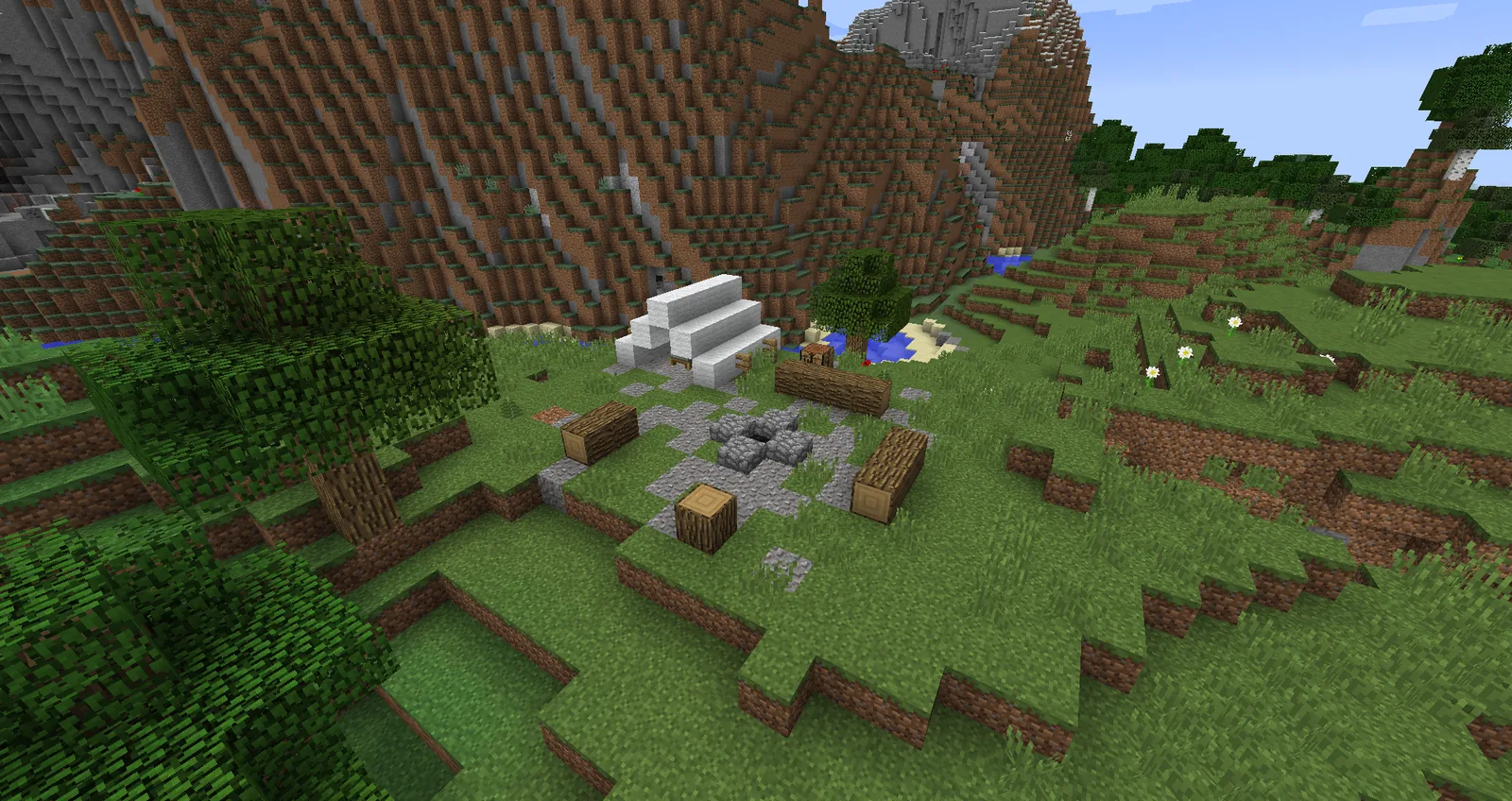
The interesting version of this question is what makes a structure worth walking to in the first place – what makes a generated structure worth the trip is about the destination rather than the route.
Building a world you want to explore
A minimap is more valuable in a world with somewhere to go. Structure mods and a minimap together change exploration more than either does alone, and the proportions matter – too many structures and nothing is special.
Which structure mods to install, and in what proportion is the piece on getting that balance right.
Java 25
JourneyMap’s requirement reflects Minecraft 26.3’s own Java version. Anyone running a launcher that manages runtimes automatically will not notice; anyone on a manually configured Java installation will, and the failure is a cryptic class version error rather than a clear message.
Release notes
- Xaero’s Minimap 26.5.2, 16 September 2026, Fabric and NeoForge for 26.3.
- JourneyMap 6.0.8, 16 September 2026, Fabric, NeoForge and a Paper server build.
- Both also shipped builds for older versions the same day.
The Paper build is the one server owners want – it serves the map without requiring anything of players.
Server-side map rendering
JourneyMap’s Paper build serves a map from the server itself, viewable in a browser. For a community that coordinates in Discord, a link to a live map is worth more than any in-game feature – people plan builds, find each other and settle territory arguments without logging in.
The cost is real: the server renders and stores tiles for the explored world, which on a large map is gigabytes and ongoing CPU.
Cave mapping
Both mods draw underground layers separately from the surface, which turns cave navigation from a memory exercise into a readable map. It is the single feature that changes deep exploration most, and it is also the one most often disabled on servers that want caves to stay disorienting.
Waypoint discipline
- Name by what it is, not by when you found it.
- Colour-code by category – resources, structures, home, temporary.
- Delete temporary ones weekly.
- Export the list occasionally; waypoints live in the mod’s folder, not the world save.
That last point catches people who reinstall and lose two hundred waypoints they thought were in the world file.
Images: Distant Horizons and Moog’s Voyager Structures project galleries on Modrinth.