Minecraft’s soundtrack has a reputation it has never really tried to escape: quiet, sparse, slightly melancholy piano that gets out of the player’s way. Pixel Drift is the opposite of that on purpose. It is an official remix album that hands eleven Minecraft tracks to six electronic producers and asks them to make the game’s music move, and the result is closer to a late-nineties arcade racer than to anything you would hear underground at Y level 11.
The basics
- Eleven reworked Minecraft tracks
- Six collaborating artists: Hyper Potions, meganeko, Synthion, floopy, Turbo and EX-LYD
- Released 3 September 2025 by Minecraft, on Spotify, YouTube and the usual streaming services
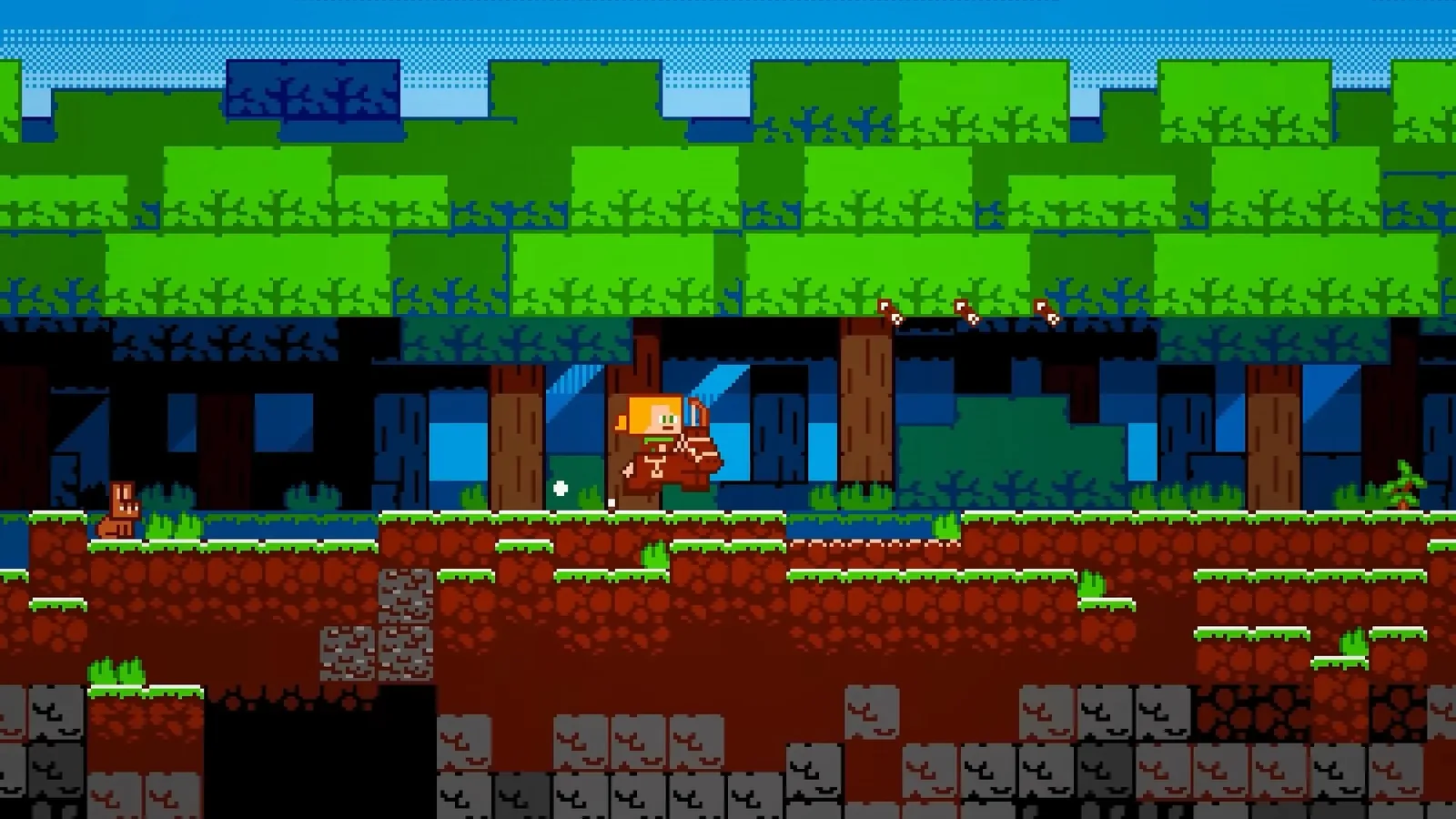
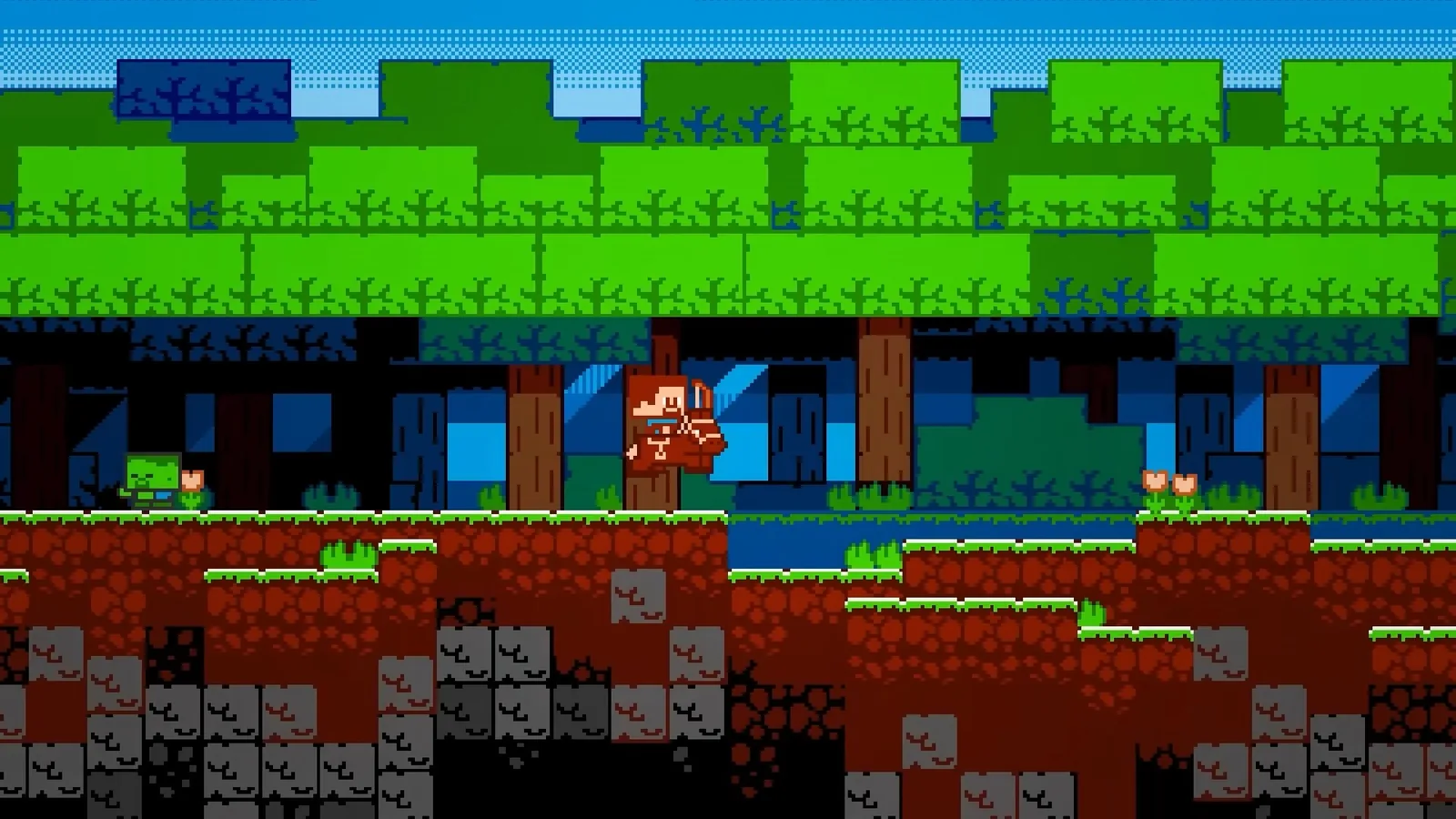
- Accompanied by an official music video styled after retro side-scrolling games
- Source material spans the whole history of the soundtrack, from Kumi Tanioka’s work to Lena Raine’s
What it actually sounds like
The stated aesthetic is retro and Eurobeat-inspired, and that is not marketing hedging — the album genuinely commits. Four-on-the-floor kicks, bright supersaw leads, chiptune-adjacent arpeggios and the kind of key changes that exist to make a chorus feel like it just shifted gear. If you grew up on rhythm games, late-nineties dance compilations or arcade racing soundtracks, the reference points will be immediate.
What makes it work rather than making it a novelty is that the producers treat the originals as melodies rather than as moods. Minecraft’s soundtrack is full of extremely strong, extremely simple tunes that have always been buried under reverb and space. Strip the space out, put a kick under them, and it turns out most of them were pop hooks the whole time.
Comforting Memories
Kumi Tanioka’s piece is one of the more delicate things in the game’s library, and it is the track where the contrast is sharpest. Taking something written to be almost ambient and giving it a driving tempo is the album’s thesis stated in one song: nothing about the melody changes, everything about what it means does.
otherside
Lena Raine’s otherside was already the most propulsive thing in vanilla Minecraft — it is a rare disc, it has actual momentum, and players treat finding it as an event. It is the obvious candidate for this treatment and the version here leans into that, pushing a track that was already dance-shaped the rest of the way.
The six artists, and why the lineup makes sense
This is not a random assortment of electronic producers. Hyper Potions, meganeko, Synthion, floopy, Turbo and EX-LYD all come from scenes where game music and dance music have never been separate categories — the remix communities, indie game soundtracks and online electronic labels where a Sonic remix and an original club track sit on the same release.
That shared background is why the album holds together despite six sets of hands. Everyone involved already knew how to treat a game melody with respect and still make it loud, which is a narrower skill than it sounds.
The music video is doing real work
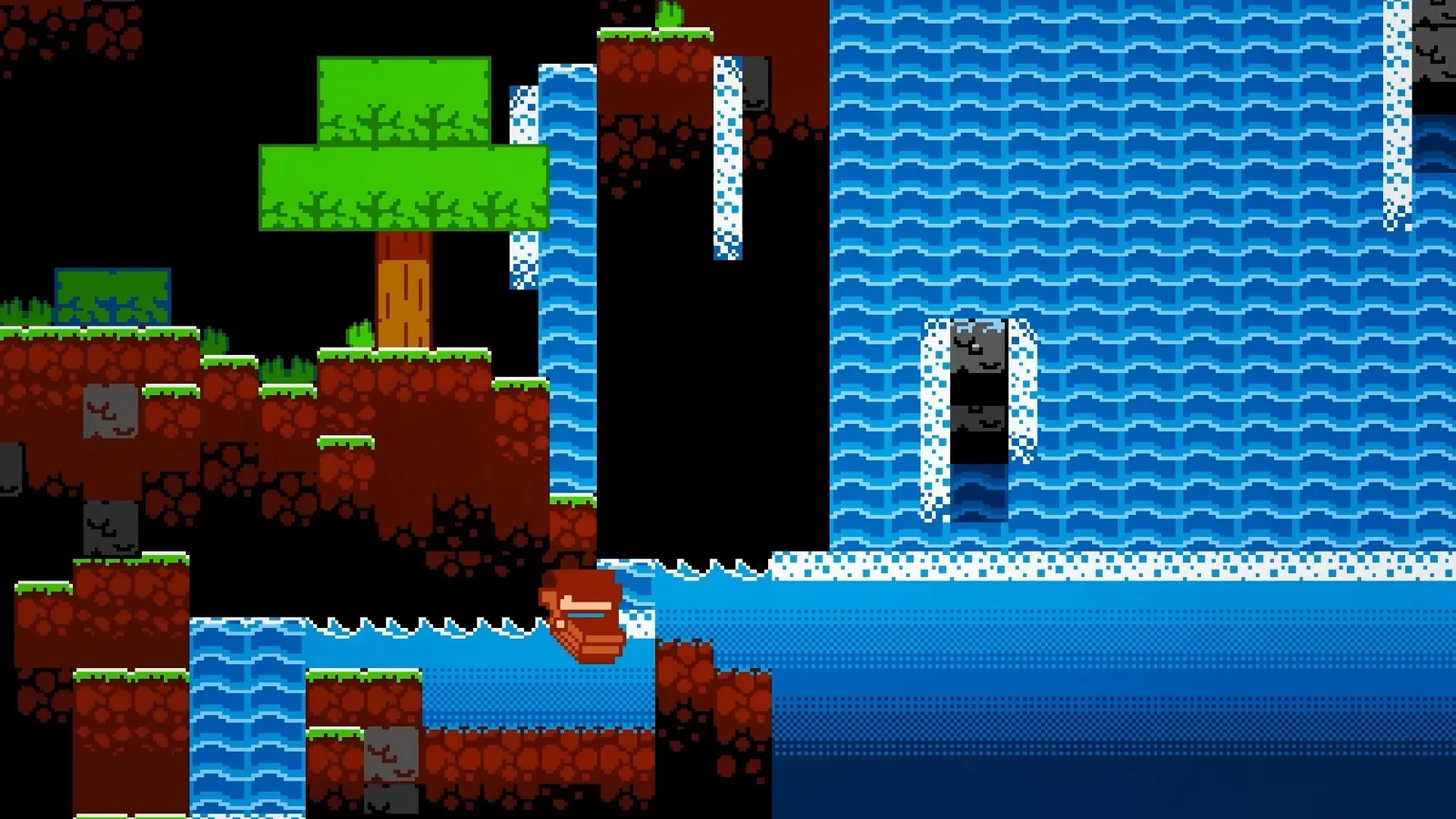
Mojang paired the album with a video that recasts Alex and Steve as sprites in a retro side-scroller, running through the Overworld while the tracks play. It is an aesthetic joke with a point behind it: Minecraft is old enough now to be nostalgic about, and the visual language of the album is borrowed from an era that Minecraft itself was already nostalgic for.
It also solves a practical problem. A remix album for a game with no cutscenes has no obvious visual identity, and a side-scroller gives the release something to look like on YouTube without pretending to be a trailer for anything.
Where Pixel Drift sits in Minecraft’s music
The in-game soundtrack has expanded steadily over the years — C418’s foundation, Lena Raine, Kumi Tanioka, Aaron Cherof and a rotating group of contributors adding to it with almost every drop. That body of work has a very specific job: it has to be beautiful and it has to be ignorable, because players leave it running for hundreds of hours.
Pixel Drift has no such constraint, which is exactly why it exists. It is the soundtrack released from its own design brief, and it turns out the melodies survive being taken seriously as songs.
The sequencing also matters. The album is ordered to run as a set rather than as a playlist of isolated remixes, with tempo and key doing the work of transitions, so it rewards a straight listen far more than a shuffle does.
Worth your time?
If you only like Minecraft’s music because of how it makes a cave feel, this album will not convert you, and it is not trying to. If you have ever hummed a Minecraft track away from the game and realised it works on its own, it is forty minutes very well spent — and it is the rare official tie-in release that stands up without the game attached.
It also pairs well with anything that needs tempo rather than calm. Speedrunners in particular have adopted it quickly; if that is your corner of the game, our overview of Minecraft speedrunning in 2026 covers where the records currently stand. And for the wider context of what Mojang shipped around it, our 2025 year in review runs through the drops it landed between.
