Key takeaways
- MCC Double Date ran on 14 February 2026 at 8pm GMT and opened Season 6 of MC Championship.
- Forty creators played in ten teams of four, with the rosters built around real-life pairs rather than randomly drawn.
- The format itself did not change: eight minigames, coins, and Dodgebolt between the top two teams.
MC Championship came back on Valentine’s Day, which is the kind of scheduling decision that tells you what MCC is. A tournament that wanted to be taken seriously as an esport would not build an event around couples. MCC is not trying to be that, and its sixth season opened with Double Date – ten teams of four, assembled so that each team carried pairs of creators who actually know each other.
Underneath the theme, nothing was different. That is the point of MCC’s format, and the reason it has survived seven years while publisher-backed circuits around it have not.
The format, unchanged
Ten teams of four play eight minigames drawn from a rotating pool. Every game pays out coins, and coins are the only currency – there is no seeding, no group stage, no bracket. At the end, the two teams with the most coins play Dodgebolt, a best-of-five archery duel in a small arena, and the winner of that duel wins the event.
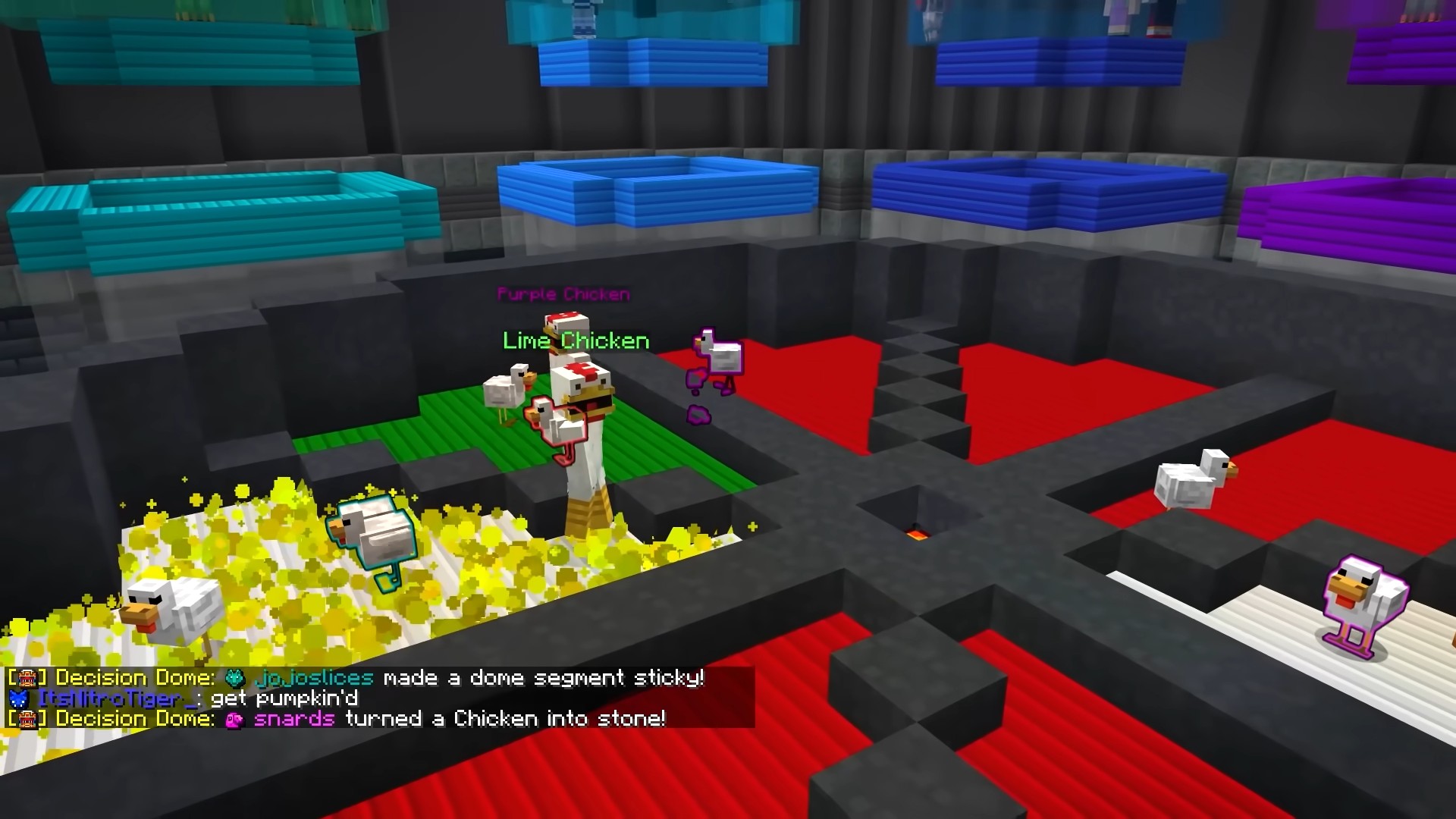
It is a format that quietly refuses to be fair. A team can dominate seven games, get outshot in a first-to-three arrow duel, and lose the whole night. Every competitor knows this and nobody has seriously proposed changing it, because Dodgebolt is the part of MCC that people who do not play Minecraft can watch.
What the duo theme actually did
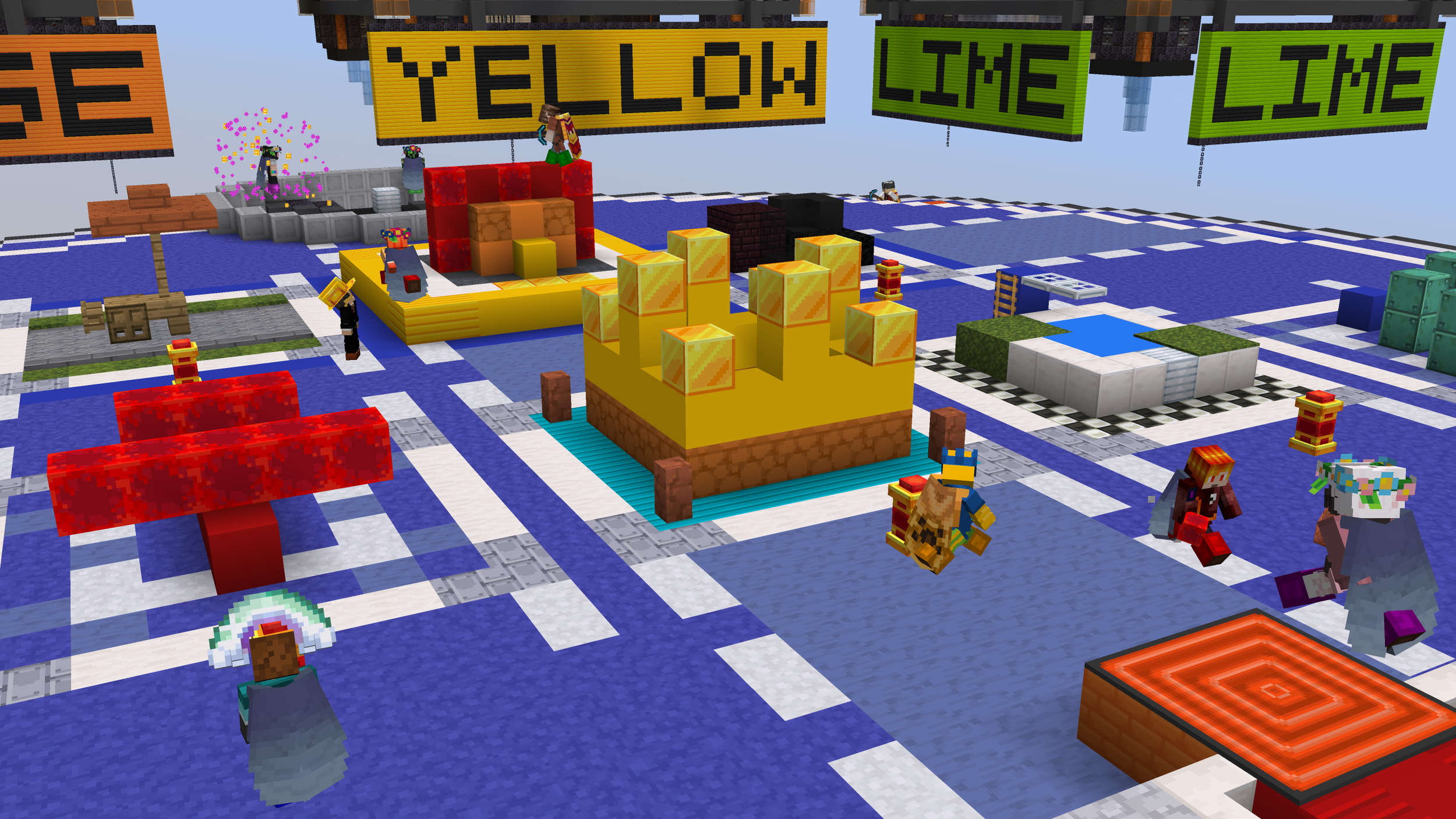
Rosters at MCC are usually assembled by Noxcrew for balance and for the stories that come out of unlikely pairings. Double Date inverted that: teams were built from established pairs, which produced lineups like the Green Geckos with CaptainSparklez, Kara Corvus, Seapeekay and Tubbo, and the Cyan Coyotes with bekyamon, soupforeloise, fruitberries and Grian.
The practical effect is on comms. MCC teams normally spend the first two games working out who calls what; a team built from people who already play together starts with that settled. Whether it produces better play is arguable – the coin totals in themed events rarely look different – but it changes how the broadcast sounds, which is what a themed event is for.
Why Dodgebolt survives
Every argument about MCC’s format ends at the same place. Dodgebolt is not a fair way to decide a tournament and it is the best thing on the broadcast. Two teams, a narrow arena, arrows that one-shot, and a crowd of forty creators watching from the sidelines – it compresses two hours of coin totals into ninety seconds of tension that needs no explanation.
Noxcrew has had seven years to replace it with something more defensible and has never tried. The tournament is built to be watched, and the part that is worst at measuring skill is the part that is best at holding an audience.
Who turned up
Double Date also functioned as a returns event. SmallAnt, LDShadowLady, aCookieGod and SettingSunset were all back on the roster, which matters more than it sounds for a tournament with no qualification path. MCC’s competitor pool is an invite list, and the health of that list is the health of the event.
That is the structural criticism of MCC and it is a fair one. There is no route from playing well on MCC Island or the ranked ladder to appearing on the main broadcast. You get in by being known. Rising events exist to soften that, but the currency is still reach rather than results.
Watching it, if you have not before
Every competitor streams their own point of view, and Noxcrew runs a main broadcast on top. That means the viewer chooses a camera rather than being handed one, which is unusual in esports and is a large part of why MCC numbers are as high as they are – people watch their favourite creator, not the event.
For a first-time viewer the main stream is the right choice, because the coin totals only make sense with commentary. After one event the usual pattern is to pick a player and follow them, which is when the format starts to feel like a sport rather than a variety show.
Season 6, and why the calendar matters
An event on its own is a stream. A season is a schedule, and a schedule is what lets an audience plan around something. Season 6 opening in February sets up a run of events through the year, each with its own theme and the same eight-game skeleton underneath.
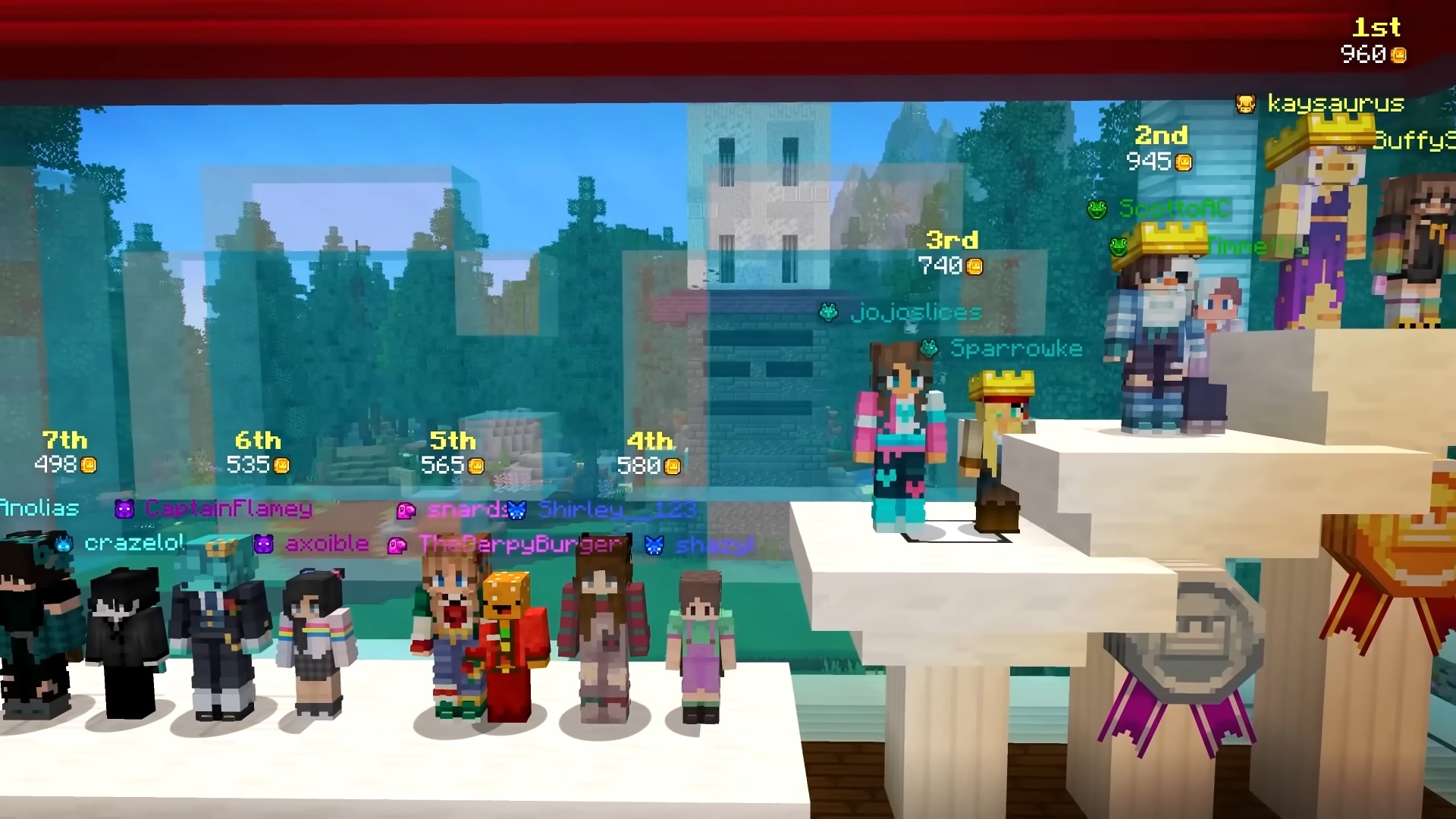
That repetition is the actual product. Viewers do not tune in to see a new format; they tune in because they already know what Sands of Time is, they know which of their favourite creators is bad at Parkour Warrior, and they know the night ends with two people shooting arrows at each other. The full breakdown of how MCC works covers the games and the scoring in detail.
Double Date was not a tournament that will be remembered for its competition. It was a well-run opener that put forty creators back in the same lobby and reminded a large audience that MCC is still on. For a community event with no publisher behind it, that is the whole job.