Cloth Config 26.2.155 and Roughly Enough Items 26.2.820 both landed on 18 June 2026, two days after Chaos Cubed. AppleSkin 3.0.10 for 26.2 came the same day. That trio is the point at which a modded install stops being theoretical.
Why Cloth Config matters more than it sounds
It is a configuration library. Nobody installs it on purpose – it arrives because six other mods require it, and if it is missing they all fail to load with an error that names the library rather than the mod you actually wanted.
Which is why a library update is the real unblocking event in a port cycle. Until the shared dependencies are across, nothing downstream can be.
The dependency chain, briefly
- Loader – Fabric or NeoForge.
- API layer – Fabric API, or the loader’s equivalent.
- Config and UI libraries – Cloth Config, and a handful of others.
- Utility mods – REI, AppleSkin, minimaps.
- Content mods, last, because they depend on everything above.
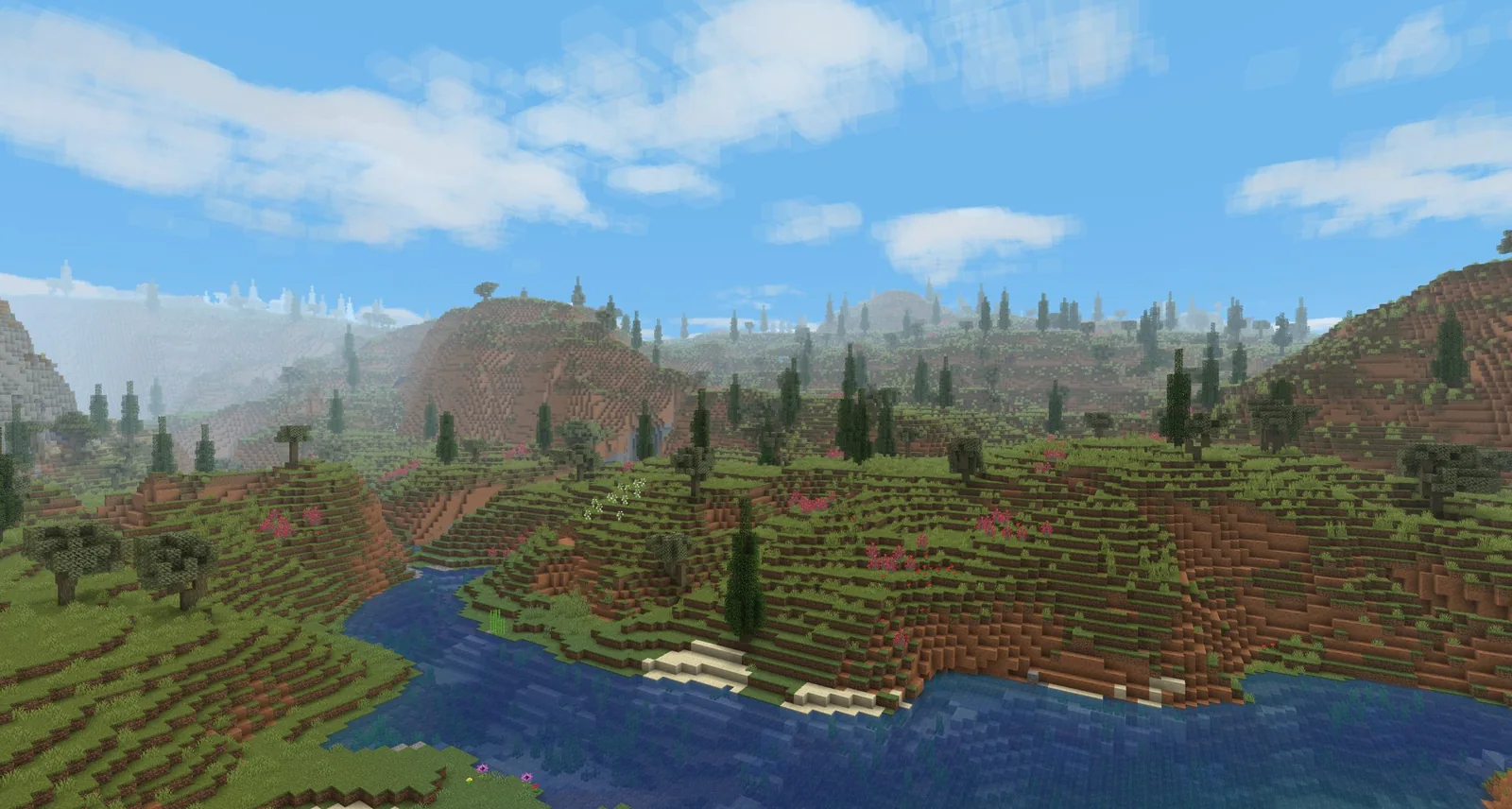
Every stall in a port cycle happens at one of those layers, and diagnosing which one is most of the work. A mod that will not load is usually waiting on something two layers below it.
Reading a crash log without panicking
The useful line is rarely at the bottom. Look for the first mention of a mod id and the phrase “requires” – that names the dependency, and the dependency is the fix. Most modded crash reports are a missing library wearing a long stack trace.
If you are still assembling your first install, the full process from download to first launch covers where each of those layers goes and why the order matters.
For a small server
The same chain applies with one addition: every player needs the same versions of anything server-relevant, and one person on a stale Cloth Config will be unable to connect while everyone else is fine. Pinning versions rather than telling people to “get the latest” avoids an evening of debugging.
That discipline is most of what keeps a small SMP alive, and the list that keeps a private server running is built around not changing things unnecessarily.
Dates
- 16 June 2026 – Java 26.2 released.
- 18 June 2026 – Cloth Config 26.2.155, REI 26.2.820, AppleSkin 3.0.10.
- Later June – the first content mods.
The takeaway
Two days from a Minecraft release to a functioning config and recipe layer is quick by any standard, and it happens because library authors work against pre-releases rather than waiting for the drop. The visible speed of the mod ecosystem on release day is the invisible work of the fortnight before it.
Version pinning, and why it matters more than being current
The instinct on a server is to tell everyone to install the latest of everything. It produces a fleet where no two clients match and every connection problem is unique.
The alternative is a pinned list – exact versions, published somewhere, changed deliberately. It is more work once and less work every week after.
What a good pinned list looks like
- Loader version, exact.
- API version, exact.
- Every mod with its full version string, not “latest”.
- A date, so people know how old the list is.
- A note saying which ones are client-side optional.
That last line saves the most time. Half the mods on a typical list do not need to match, and players who know which half stop worrying about the rest.
Reading the dependency error
Minecraft’s mod loaders produce reasonable errors and almost nobody reads them. The format is consistent: mod X requires Y version Z, found nothing or found the wrong version. The fix is always the named dependency.
Where it gets confusing is transitive dependencies – X needs Y, Y needs Z, and the error names Z. The mod you were trying to install is nowhere in the message.
Why libraries version separately
A config library that ships on the same schedule as the mods using it would force every one of them to update in lockstep. Independent versioning means a library can fix a bug without twenty mods needing a release.
The cost is exactly the confusion above. It is still the right design, and it is why library updates are the unblocking events in every port cycle.
Dates for the 26.2 library layer
- 18 June 2026 – Cloth Config 26.2.155, Fabric and NeoForge.
- 18 June 2026 – REI 26.2.820, both loaders.
- 18 June 2026 – AppleSkin 3.0.10.
One day, three releases, and the modded ecosystem’s floor was in place for a version that had shipped forty-eight hours earlier.
The habit worth forming from all of this is reading downward. When something will not load, the fix is almost never in the mod you were trying to add – it is one or two layers beneath it, in a library you did not choose and have never opened. Learning to read a dependency error from the bottom up turns modded Minecraft from something that breaks mysteriously into something that breaks predictably, which is most of the difference between frustration and maintenance.
Images: Mod Menu and Nature’s Spirit project galleries on Modrinth.