Structure mods split roughly into two camps: the ones that make the world feel inhabited, and the ones that give you somewhere to go and fight. Awesome Dungeon is squarely the second, and it is worth knowing which you are installing before you add it to a world.
What it generates
Purpose-built dungeons – multi-room structures with a deliberate entrance, an interior layout, mob spawners and chest loot at the end. They are hand-designed rather than procedurally assembled, which shows in the pacing: rooms lead somewhere, and the reward sits where a reward should sit.
The mod ships in themed variants covering different environments, so a desert dungeon looks and reads differently from a nether one. That variety is the main argument for it over a single-theme structure mod, because the tenth dungeon still looks different from the first.
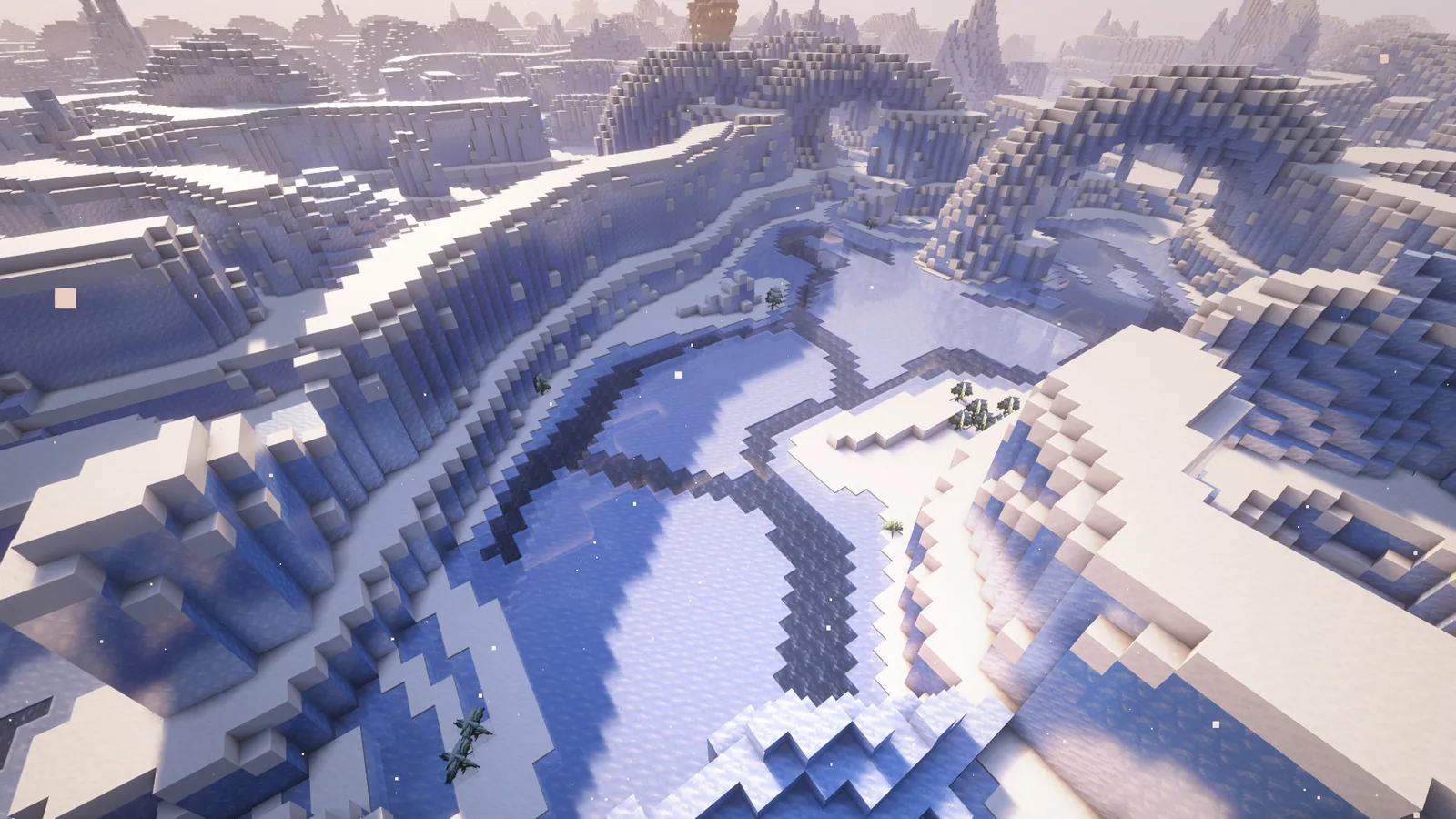
How it plays
Combat-forward. You are expected to fight your way in, and the loot is scaled to justify that rather than to be incidental. That makes it a good pairing for a world where you have already done the vanilla progression and want something that pushes back.
The flip side: it is not subtle. If you want structures that blend into the landscape and reward observation, this is the wrong mod, and something like ambient structure sets fits better. Awesome Dungeon puts a clearly artificial building in your world and expects you to notice it.
Spawner density is the thing to watch. Dungeons built around spawners are dangerous on arrival and then become a farm site once cleared, which is either a feature or a balance problem depending on how you run your world.
Where it sits against the alternatives
- The YUNG’s family overhauls vanilla structures rather than adding new ones. Better if your complaint is that strongholds and mineshafts are boring.
- Dungeons and Taverns leans more toward inhabited spaces and set dressing, with combat as one element among several.
- Awesome Dungeon is the most straightforwardly combat-oriented of the three.
They stack, which is the usual answer, but stacking all three produces a world with a structure every few hundred blocks and no empty space. Two is usually the right number, and the exploration structure mod overview covers how to balance the set.
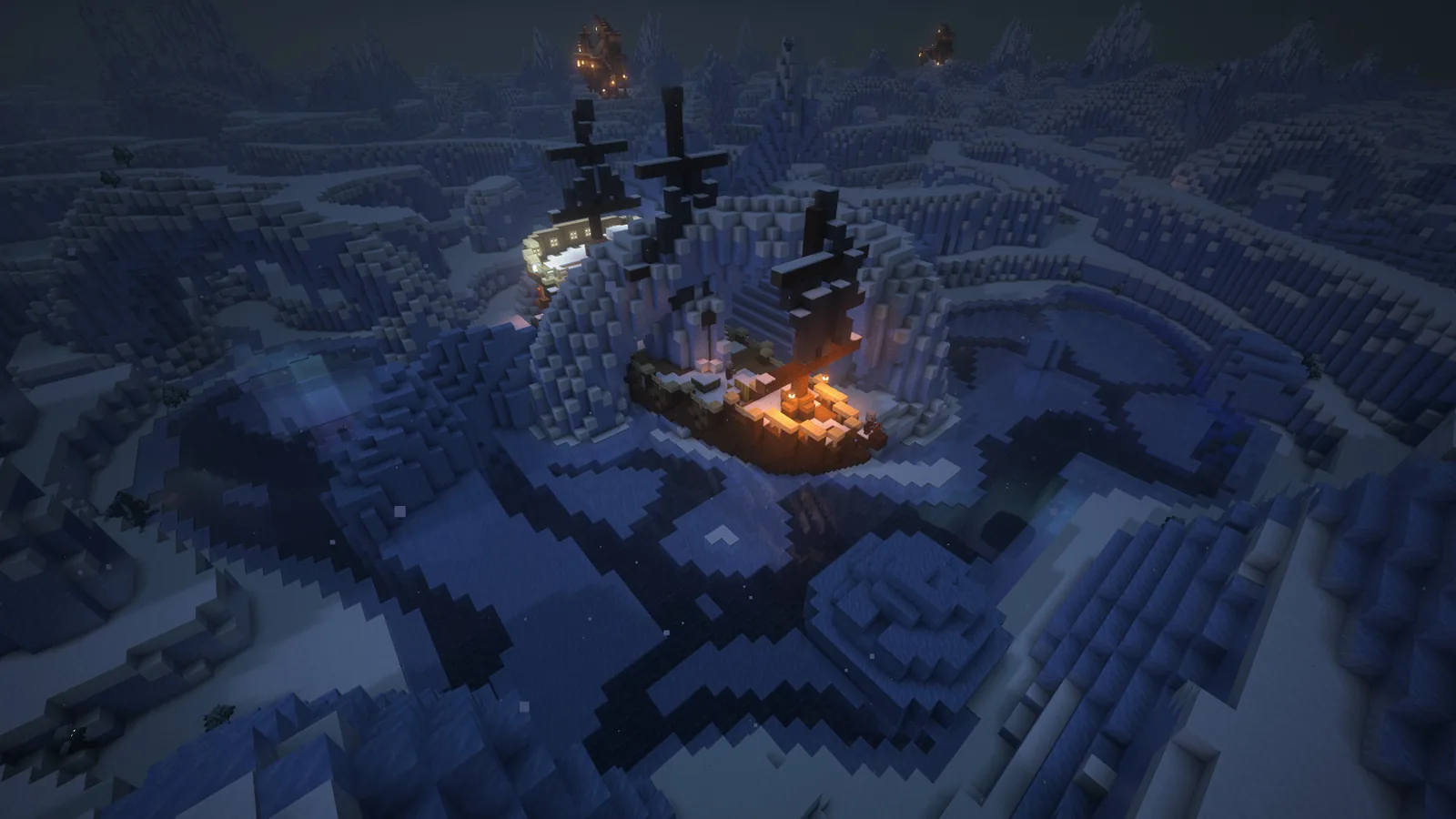
Loot and balance
Loot is generous relative to vanilla. That is the point of a combat dungeon, but it does compress progression – a couple of cleared dungeons will hand you gear that would otherwise take considerably longer to assemble.
On a solo world that is fine, and arguably the reason to install it. On a shared server it needs thought, because one player who finds three dungeons early is a different economy from everyone else. This is the same consideration that applies to any structure loot addition.
If you want the structures without the progression compression, the loot tables are data-driven and can be toned down with a small data pack rather than editing the mod.
Adding it to a world
Structure mods only affect newly generated chunks, so adding this to a heavily explored world means travelling a long way before you see anything. On a world with a large explored radius, that is a real cost.
The better move is to add it at world creation, or to add it when you are about to start exploring a new direction anyway. Either way, generate a test world first and fly around for ten minutes to check the generation frequency feels right to you – it is configurable, and the default is tuned for people who want to find them rather than for people who want them to be rare.
Verdict
Awesome Dungeon does one thing clearly: it puts fights with rewards at the end of them into a world that otherwise runs out of those. The hand-built layouts hold up better than procedural ones over repeated visits, and the themed variants keep it from wearing out.
Install it if your world has reached the stage where you have everything and nowhere to use it. Skip it if you are still working through vanilla progression, because it will short-circuit that rather than extend it.
Configuration worth checking
Two settings matter before you generate a world with it. Generation frequency, which defaults toward “you will find these” rather than “these are rare” – lower it if you want dungeons to be an event rather than scenery. And which dimensions it generates in, since the themed variants cover the Nether and End as well as the Overworld.
The loot tables are data-driven, so a small data pack can tone them down without touching the mod. That is the cleanest way to keep the structures and drop the progression compression.
Clearing one properly
The practical approach is unglamorous. Bring a shield, a bow and blocks. Break line of sight rather than fighting in the open room, deal with spawners on sight rather than after, and light as you go – a cleared dungeon that is unlit repopulates behind you.
Bring more torches than you think. The interiors are dark by design and the fights happen in the dark unless you change that.
Images: Awesome Dungeon and Aquamirae project galleries.