Key takeaways
- Everything runs on rotational force, measured in speed and in stress capacity. Understand those two and the rest follows.
- Generators supply stress capacity, machines consume it, and exceeding the budget stops the network.
- The first worthwhile build is a small stone generator or a mechanical crafter, not a factory.
Create is the most approachable large technical mod and still turns away plenty of new players, usually because they try to copy a video before understanding what rotation is.
Rotation, speed and stress
A generator – a water wheel, a windmill, a furnace engine – produces rotational force. Shafts and cogs carry it. Machines consume it. Two numbers matter: rotation speed, which determines how fast a machine works, and stress, which is a capacity budget.
Every generator supplies capacity. Every machine draws some. Exceed the total and the whole network stops, which is the first failure every player hits. The fix is more generation or fewer machines on that network, and the goggles item shows you the numbers directly.
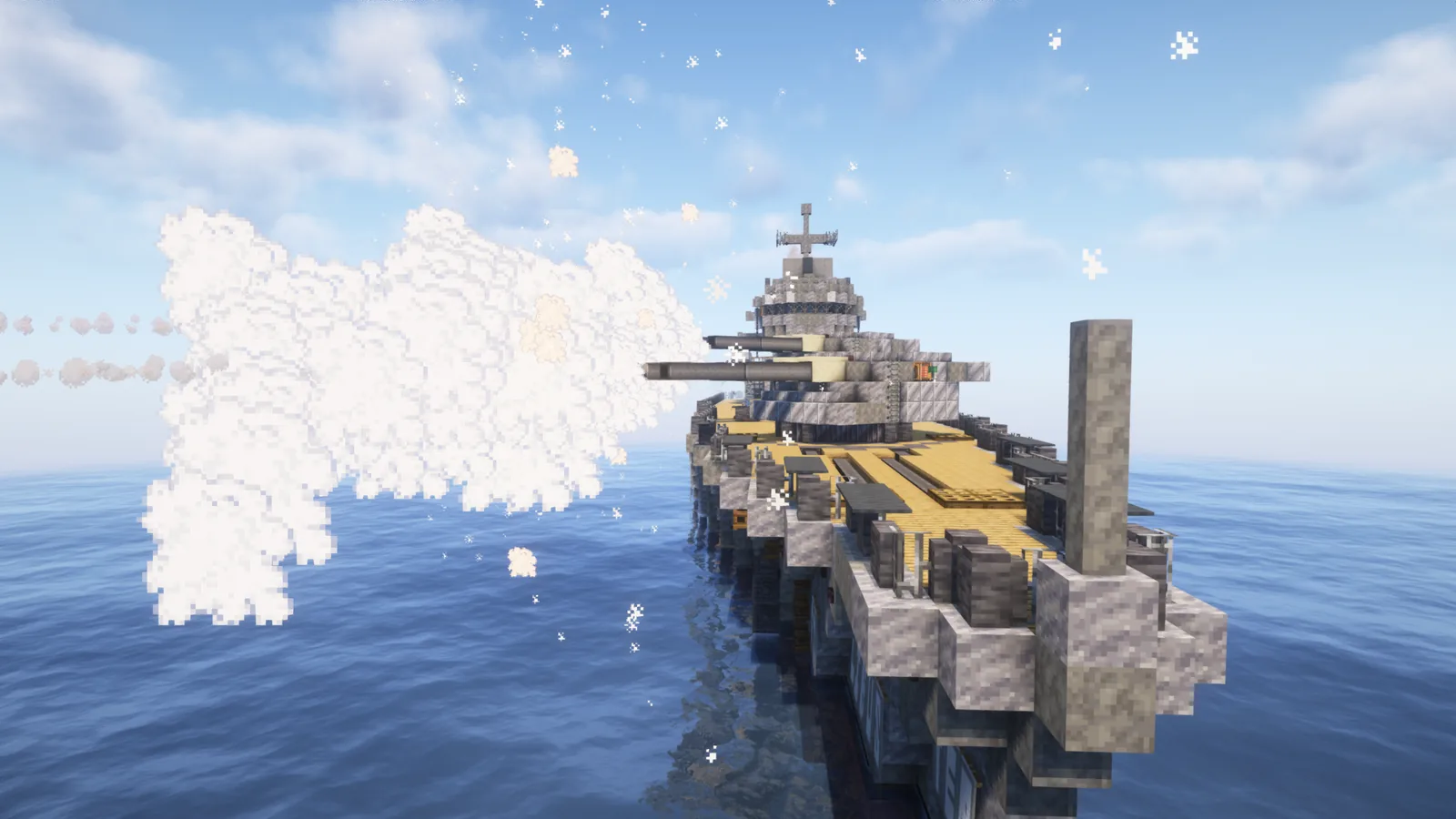
Changing speed
Cogwheels of different sizes change rotation speed and, in doing so, change stress requirements. Speeding a machine up costs more capacity. This trade is the core of Create’s engineering: you are always balancing throughput against the capacity you have built.
The gearbox and the clutch handle direction and interruption, which is where the mod meets redstone. Most Create builds use very little redstone, and the redstone they do use is usually a switch rather than a circuit.
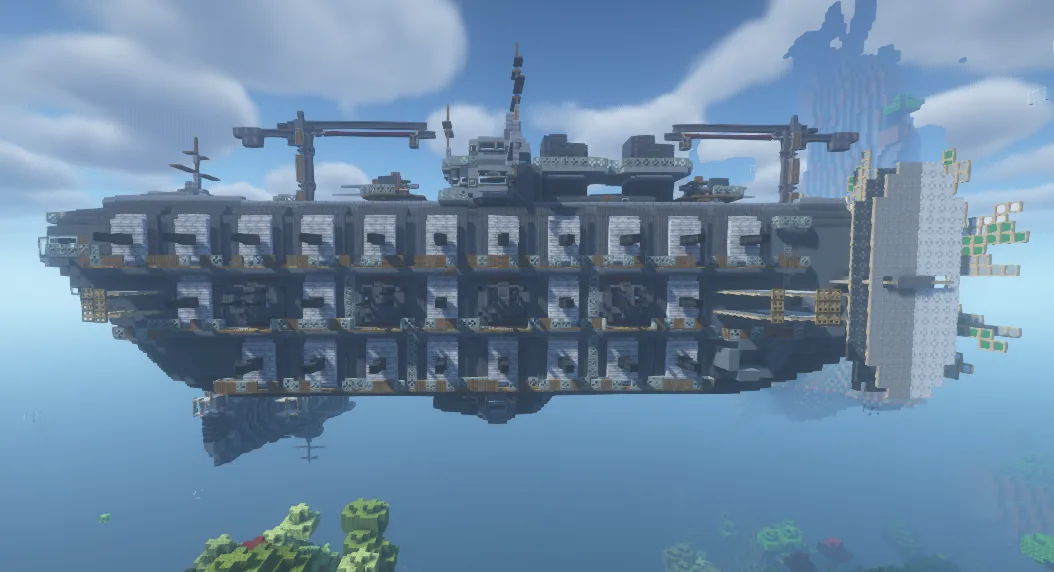
What to build first
A water wheel next to a stream, a shaft, and a millstone. That is a complete working system, it costs almost nothing, and it demonstrates every concept above in three minutes. Once it turns, add a second machine and watch the stress reading move.
Do not start with a contraption on rails. Moving assemblies are the mod’s showpiece and its most confusing feature, and attempting one before understanding stress produces a machine that does not move and no way to diagnose why.
Where it differs from vanilla automation
Vanilla automation is redstone: signals, timings, and mechanisms that fire when a condition is met. Create is continuous: things rotate constantly and the design problem is throughput rather than triggering.
Our view is that this is why Create appeals to players who bounced off redstone. Redstone rewards understanding of tick behaviour and signal strength, which is essentially programming. Create rewards spatial thinking and arranging machines in a line, which is much closer to the building skills Minecraft players already have.
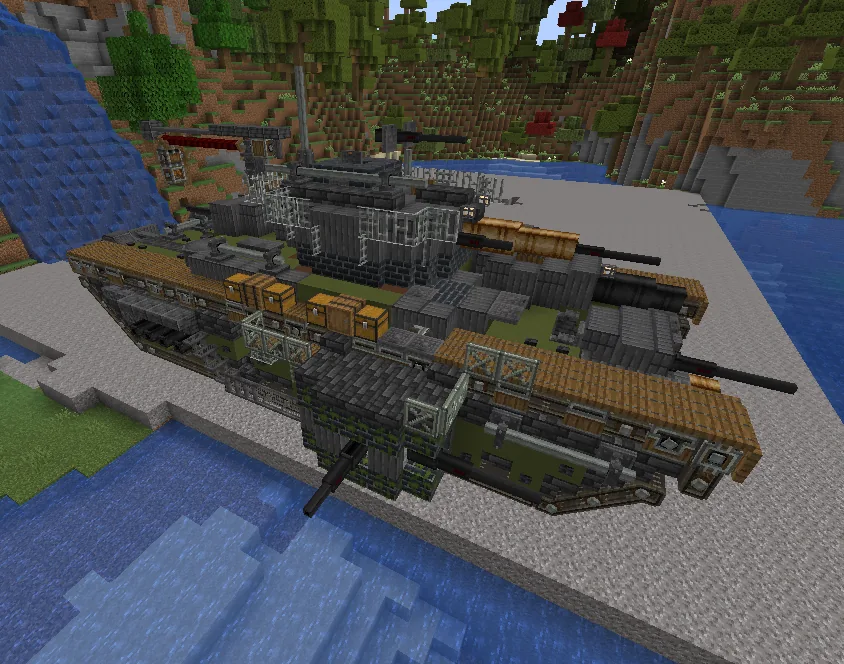
Next steps
Once the water wheel works, the natural progression is a mechanical crafter for automating a recipe you make constantly, then bulk processing – washing, crushing, pressing. Keep each network small and separate rather than wiring the whole base together, because a single overloaded machine stopping everything is the most common Create frustration.
For vanilla redstone fundamentals, see the observer and piston circuit guide.
Reading the goggles
The engineer’s goggles are the debugging tool. Wearing them and looking at a shaft shows the rotation speed and the stress load on that network. Almost every “my machine stopped” problem is answered by that readout, and players who skip the goggles spend hours guessing at something the game will simply tell them.
Two numbers matter. Speed determines throughput and some machines have minimum requirements. Stress is the budget, and a network at capacity will stop the moment you add one more machine.
Generators compared
Water wheels are cheap, slow and reliable, and they are the right first generator. Windmills scale with sail count and need vertical space. Furnace engines produce far more capacity at the cost of fuel, which means they need a supply chain of their own before they make sense.
The common mistake is jumping to the largest generator available. A slow network that never stalls teaches you more than a fast one that you cannot diagnose.
Keeping networks separate
Resist the temptation to power everything from one shaft. Separate networks fail separately, which means a jammed machine takes down one process instead of the whole base. It also makes stress budgeting simple: each network has its own generator and its own capacity, and you can reason about them independently.
Where to go after the millstone
Automate one recipe you make constantly – cobblestone, sand, or a food item. A single automated process that saves you a repeated chore will teach the mod’s logic better than building a showpiece you never use.
Common beginner failures
Three recur. A network stalls because stress exceeded capacity and the player did not have goggles on. A contraption fails to assemble because a block was not attached to the structure. A machine runs too slowly because a cogwheel ratio reduced speed somewhere upstream. All three are visible with goggles and invisible without them.
Images: Create Big Cannons project gallery on Modrinth.