Key takeaways
- Premier gives you one number, the CS Rating, earned in a season-long mode with a pick and ban phase. Competitive gives you a separate skill group for every map.
- The two systems track different things, so a player can climb in Premier while a map rank sits still, or the reverse.
- Rating moves on match results first. Individual statistics matter far less than most players assume.
Counter-Strike has never had a single answer to the question of how good you are. Valve’s current setup gives you two answers at once, and they often disagree. Premier mode hands out a four or five digit CS Rating that sits under your name for a whole season. Competitive mode hands out an old-style skill group, separately, on each map in the pool. Both are official. Neither is a summary of the other.
That split confuses people who came back to the game after a break, and it produces a lot of bad advice in community threads. It is worth separating what each system is built to do.
What Premier actually measures
Premier is the mode Valve points competitive players toward. It uses the active duty map pool and opens with a pick and ban phase, so both teams shape which map gets played instead of queueing into a single map. You are given a CS Rating after a set of placement matches, and from then on every match moves it up or down.
The important part is that the number is season-bound. When a season ends, ratings reset and you place again. A rating is a statement about a period of play, not a permanent title. Valve also displays rating bands by colour, which is why players talk about being “in grey” or “in red” rather than quoting the raw figure.
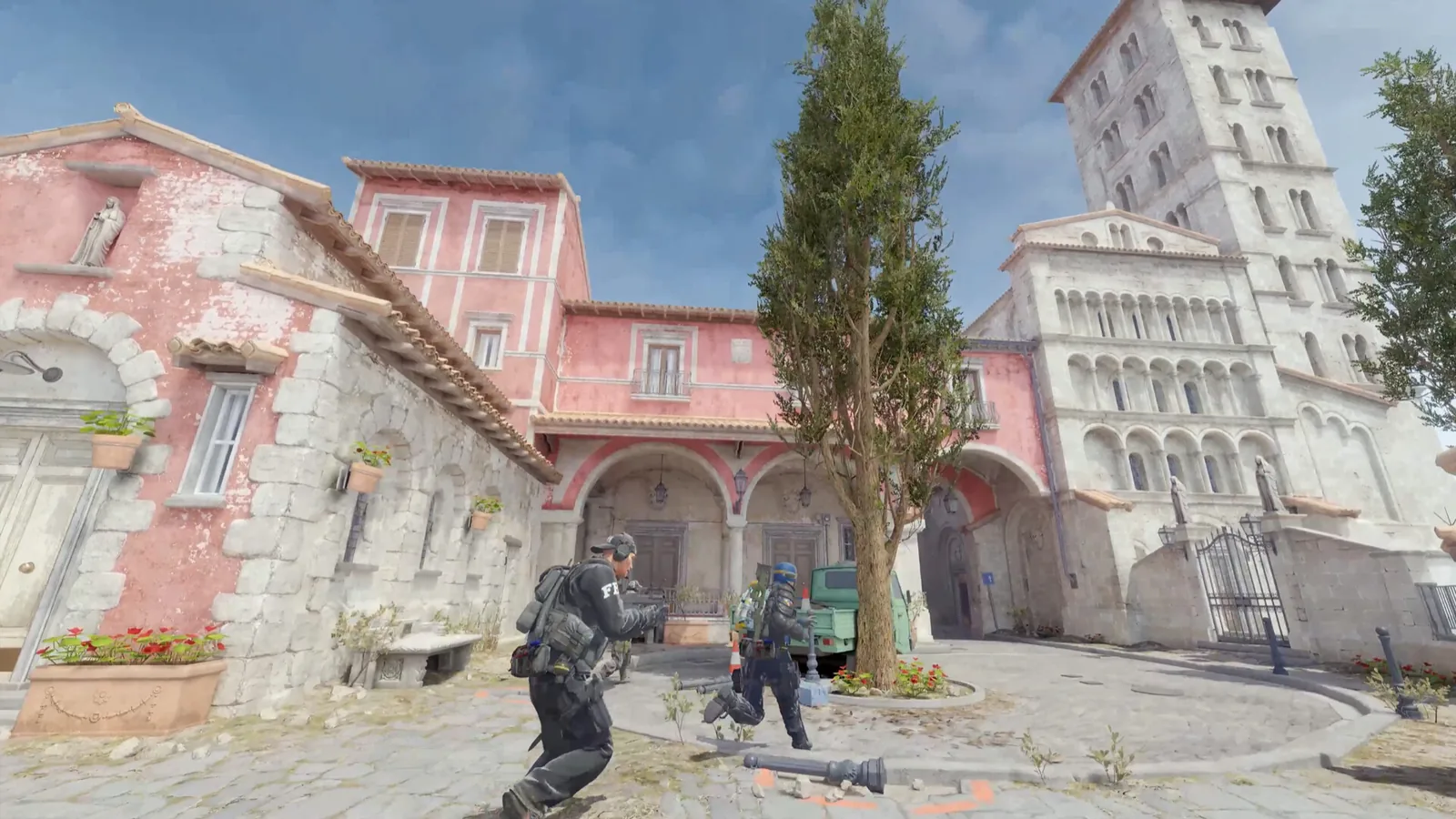
Because Premier uses pick and ban, it rewards a different kind of preparation than the old system did. A duo with two strong maps and a clear ban plan can steer a large share of their matches onto ground they know. That is not an exploit, it is the format working as designed, and it is the same logic professional teams use in a series.
Why map ranks move differently
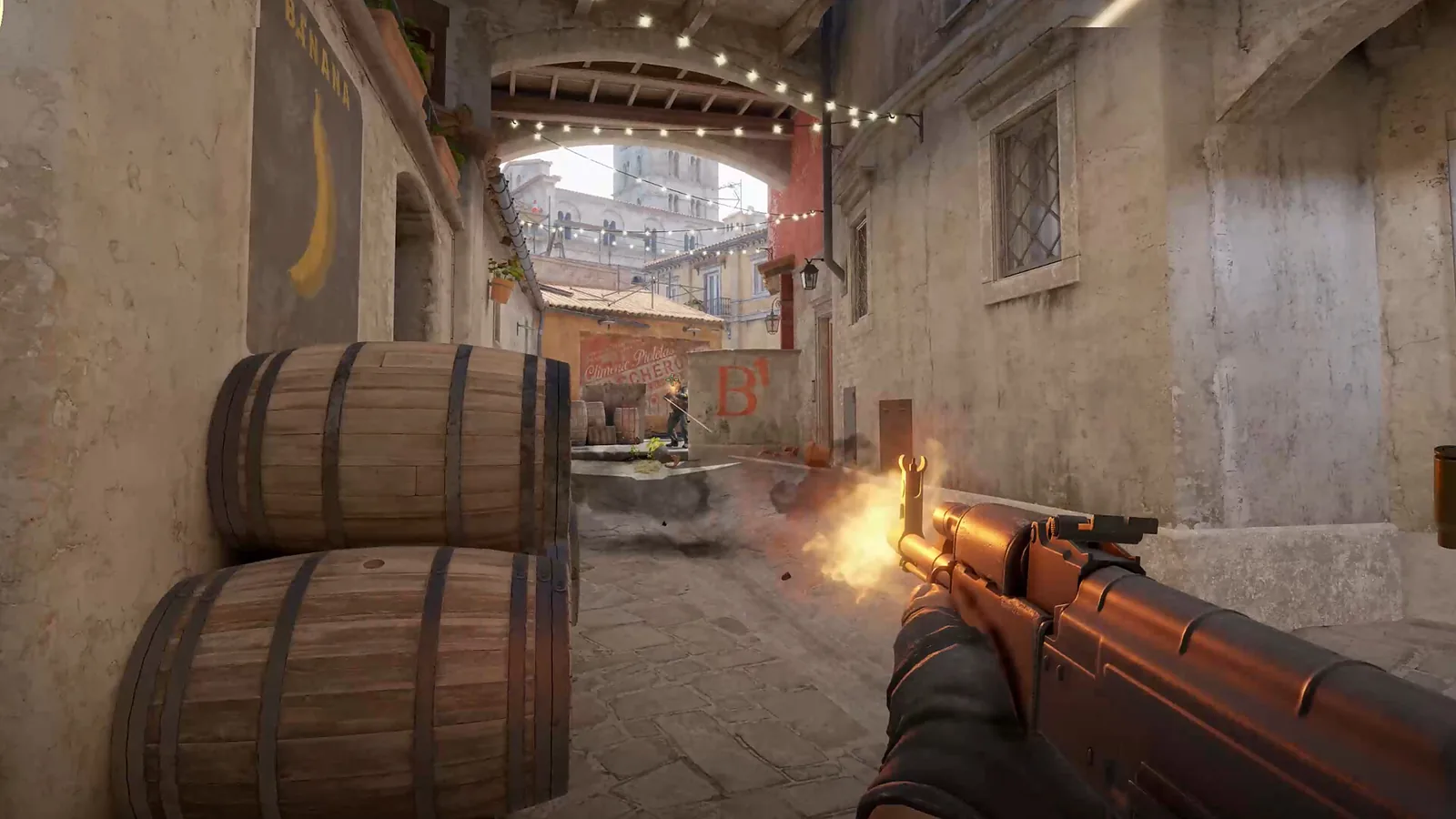
Competitive mode keeps the classic skill groups, and it keeps them per map. Win on Mirage and your Mirage group moves. Your Nuke group does not care. For a player who queues one or two maps out of habit, this produces a profile with one confident rank and a row of empty or stale ones.
Two systems, two data sets. A player with a high Premier rating and an unimpressive map rank is usually someone who moved to Premier and stopped playing casual competitive queues. It is not a contradiction and it is not a bug.
Rating moves on results, not on statistics
The most persistent myth in Counter-Strike matchmaking is that the system reads your kill count, your damage, or your headshot percentage and rewards you accordingly. Valve has been consistent that match outcome is what drives rating, with the margin of the result and the relative strength of the opposition folded in. A dominant scoreline against a higher rated lineup is worth more than a narrow win against a weaker one.
This is why a player can finish top of the scoreboard in five straight losses and watch the rating fall. It reads as unfair in the moment. It is also the only way a rating can stay meaningful: a system that paid out for personal statistics would immediately be gamed by players who farm damage and ignore the round.
Our own read is that the per-map skill groups are the more useful diagnostic of the two, and the more ignored. A CS Rating tells you roughly where you sit. A row of map ranks tells you which maps you actually understand, and that is the more actionable information if you are trying to improve rather than to display a number.
How this compares to other ladders
Counter-Strike’s approach is unusual in how little it hides. Premier shows an exact figure rather than a tier name, which means every match visibly moves it. Riot’s shooter takes the opposite line, presenting a tier and a progress bar and keeping the underlying rating out of sight – a design decision we looked at in the breakdown of the Valorant competitive and tournament structure.
None of the three is obviously correct. Exposing a raw number makes the ladder legible and makes bad runs feel worse. Hiding it protects players from tilt and invites conspiracy theories about what the game is really tracking.
What to do with your rating
Treat the rating as a seasonal measurement, not an identity. If you want it to move, the levers are the ones that win rounds: consistent utility, trades, and a map pool narrow enough that you actually know the defaults. If you want to know where your game is weak, open the per-map groups instead and look at the maps you have been quietly avoiding.
Rating is a measurement of a period, not a verdict on you. The players who climb fastest are usually the ones who stopped checking it after every match.
Map pool and where to spend your time
The active duty pool rotates, and a map leaving the pool makes the hours you spent learning it largely worthless for Premier. That argues for depth on two or three maps rather than shallow familiarity with all of them, and for prioritising maps that have been in the pool for a long time.
Reading the pick and ban as a solo player
Even in solo queue, the pick and ban phase is information. Watch what your teammates ban – it tells you which maps they are uncomfortable on, which tells you where the round losses will come from. If everyone bans the same map, that is the map the team should be practising.
Rating decay and seasons
Ratings are tied to a season, and inactivity eventually hides a rating until you play again. That is a display rule rather than a penalty, but it catches out returning players who assume their number was reset.
The practical advice for a returning player is to treat placement matches as calibration rather than as a test, and to expect the first ten games to swing more than later ones.
Images: Valve, via the Counter-Strike 2 Steam store page. Official game site: counter-strike.net.