Key takeaways
- Village type is decided by biome, and biome decides what the village gives you – plains villages have farms, desert villages have none worth taking.
- Seeds are version-specific. A seed that worked in an older release will generate a different world now.
- Finding your own with a seed map takes ten minutes and beats any published list.
Every seed list on the internet has the same problem: the seeds are copied from a list that was copied from a list, half of them were generated on a version that no longer exists, and none of them were chosen for the thing you actually want.
Village seeds are worth understanding rather than collecting, because “a village near spawn” is not a useful specification. What matters is which village, in which biome, next to what.
What village type decides
Villages generate in plains, desert, savanna, taiga, snowy plains and a few variants, and the biome changes the whole package. A plains village has wheat and carrot farms, wooden buildings you can dismantle for early material, and usually a well-lit core. A desert village has sandstone, almost no crops and no trees for miles.
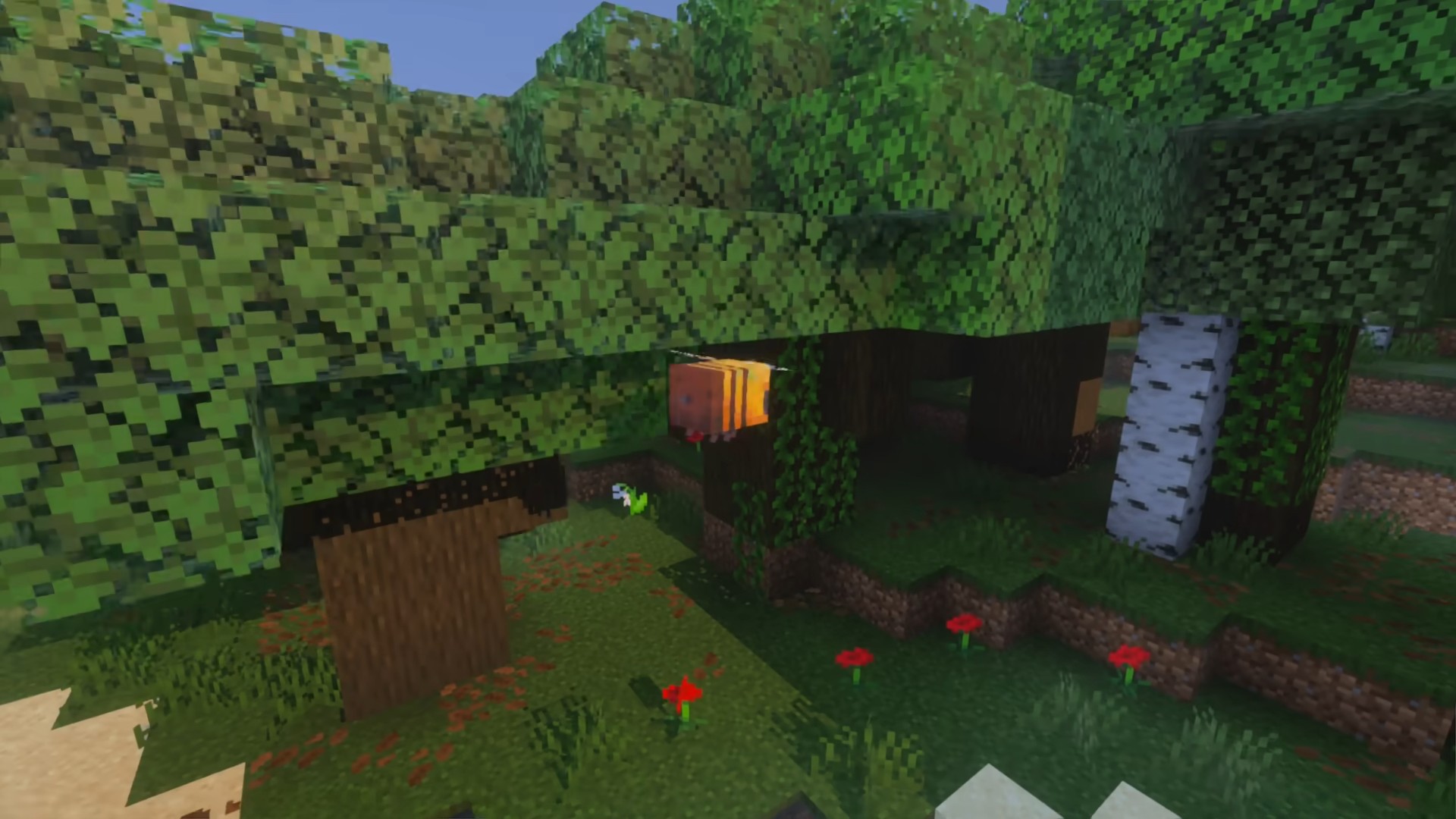
Taiga and snowy villages are the trade-off case: good buildings, cold biome, and wolves nearby. Savanna villages have acacia and a lot of open ground, which is the best case for building but the worst for cover at night.
What a village is worth in the first hour
Beds, a crafting table, a furnace, food from the farms, and iron from the blacksmith chest if the village has one. That is a saved evening of work, which is why village starts are popular and why the biome matters more than the distance from spawn.
What else to check before committing
A village on its own is half a start. The seeds worth keeping put a village within a few hundred blocks of at least two of the following: exposed cave systems for early iron and coal, a ruined portal with a lava pool nearby, a river or ocean for a boat, and a biome with trees if the village itself has none.
Depth matters too. If the terrain around the village is flat plains for a thousand blocks, your mining plans start with digging a staircase from scratch. A village near a mountain or a cliff face gives you a cave entrance instead.
Finding one yourself
1. Pick your version first
World generation changes between releases, and a seed is only a seed for the version that generated it. Decide which Minecraft version you are playing before you look at anything.
2. Use a seed map
Community tools such as Chunkbase let you type a seed and a version and see structures on a map before you create the world. Villages, ruined portals, strongholds and biomes are all visible without generating anything.
3. Test three, not thirty
Type in any seed – your name, a date, a random number – and look at what is within five hundred blocks of spawn. Most seeds are mediocre; you will find a usable one within three or four tries, and it will be yours rather than a copy.
Villager trading, the long game
The reason experienced players care about village quality is trading rather than loot. A village with several workstations and space to expand becomes a mending library, an emerald economy and an armour source within a few hours of setup.
What you want for that is room: a village on flat ground with space around it, not one wedged into a ravine. Cramped villages are charming and impossible to work with once you start moving villagers.
Why published seed numbers age badly
Two reasons. Terrain generation itself changes with major updates, so the same number produces a different landscape. And structure placement rules change more often than terrain does, which means a village that used to be at spawn can move several hundred blocks or vanish entirely.
That is why lists of numbers date so quickly, and why a ten-minute search on a seed map for the version you are actually playing beats any of them.
Zombie villages, and why they are not a loss
A fraction of villages generate as zombie villages: buildings intact, cobwebs everywhere, villagers replaced by zombie villagers. New players treat these as ruined seeds. They are the opposite.
Every zombie villager can be cured with a splash potion of weakness and a golden apple, and a cured villager trades at a permanent discount – the deepest discounts in the game. A zombie village near spawn is a slower start and a much stronger mid-game.
What to do once you have picked one
Write the seed down before you do anything else – the world settings screen has it, but it is far easier to lose than people expect. If you would rather start somewhere harder, a survival island seed is the opposite trade. Then check the village for a blacksmith chest, sleep the first night immediately, and claim a bed before a zombie takes one.
And do not build in the village. Build next to it. Villagers path badly, iron golems spawn where they like, and a base that shares walls with a village is a base you will spend the next fifty hours fencing off.