Chaos Cubed shipped on 16 June 2026. By the end of the same day, Continuity 3.0.1, BadOptimizations 2.4.1 and Dynamic FPS 3.11.8 and 3.11.9 were all available for Minecraft 26.2. That is the fastest layer of the mod ecosystem doing what it always does on release day.
The three that shipped first
Continuity handles connected textures – the reason a glass wall reads as a wall rather than a grid of separate blocks. It is a rendering mod with a narrow job and no dependencies beyond the loader, which is exactly why it ports in hours.
BadOptimizations is a grab bag of small client-side optimisations that nobody else had got round to. Its author describes 2.4.1 as a direct port, which is the honest framing.
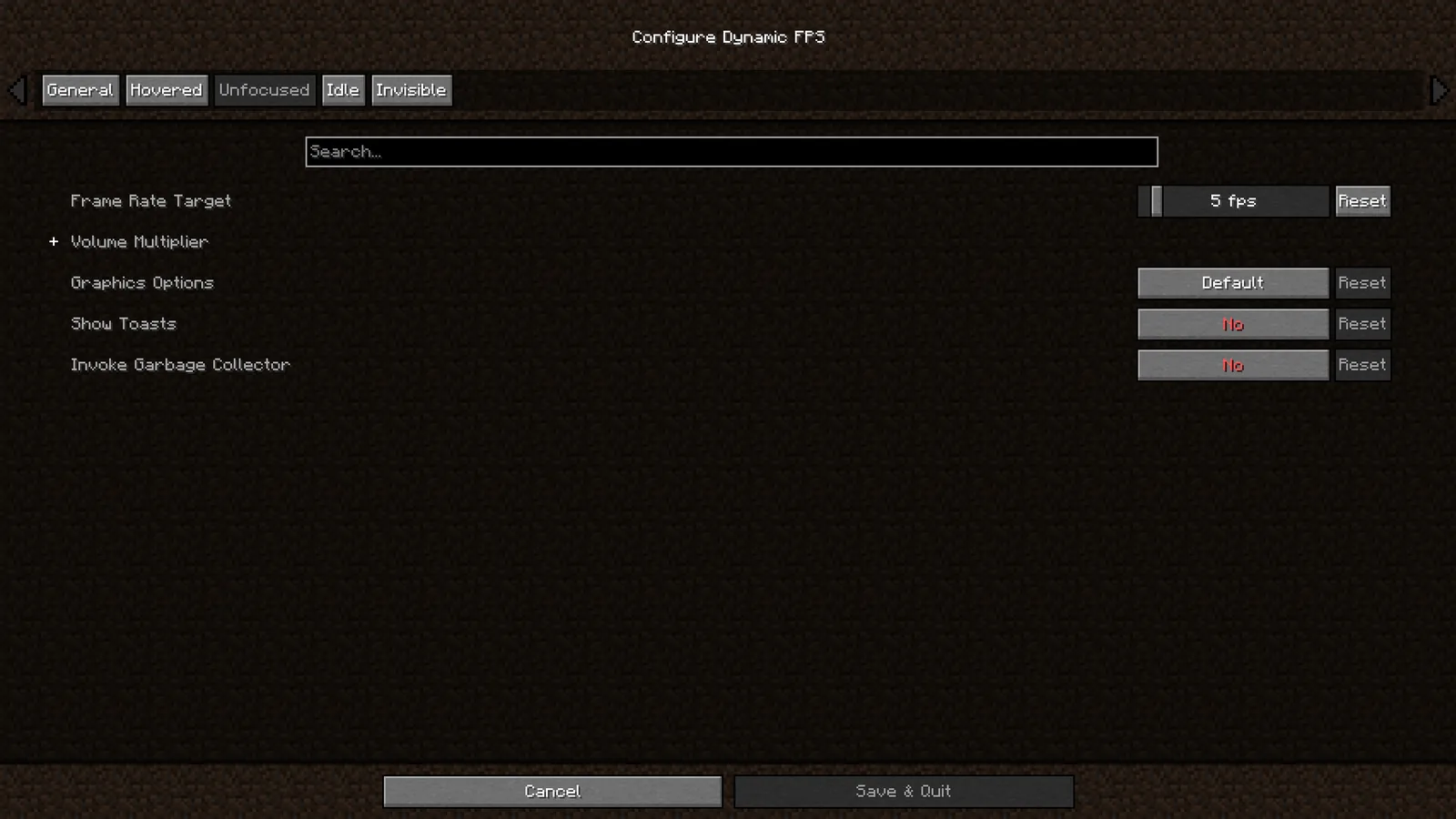
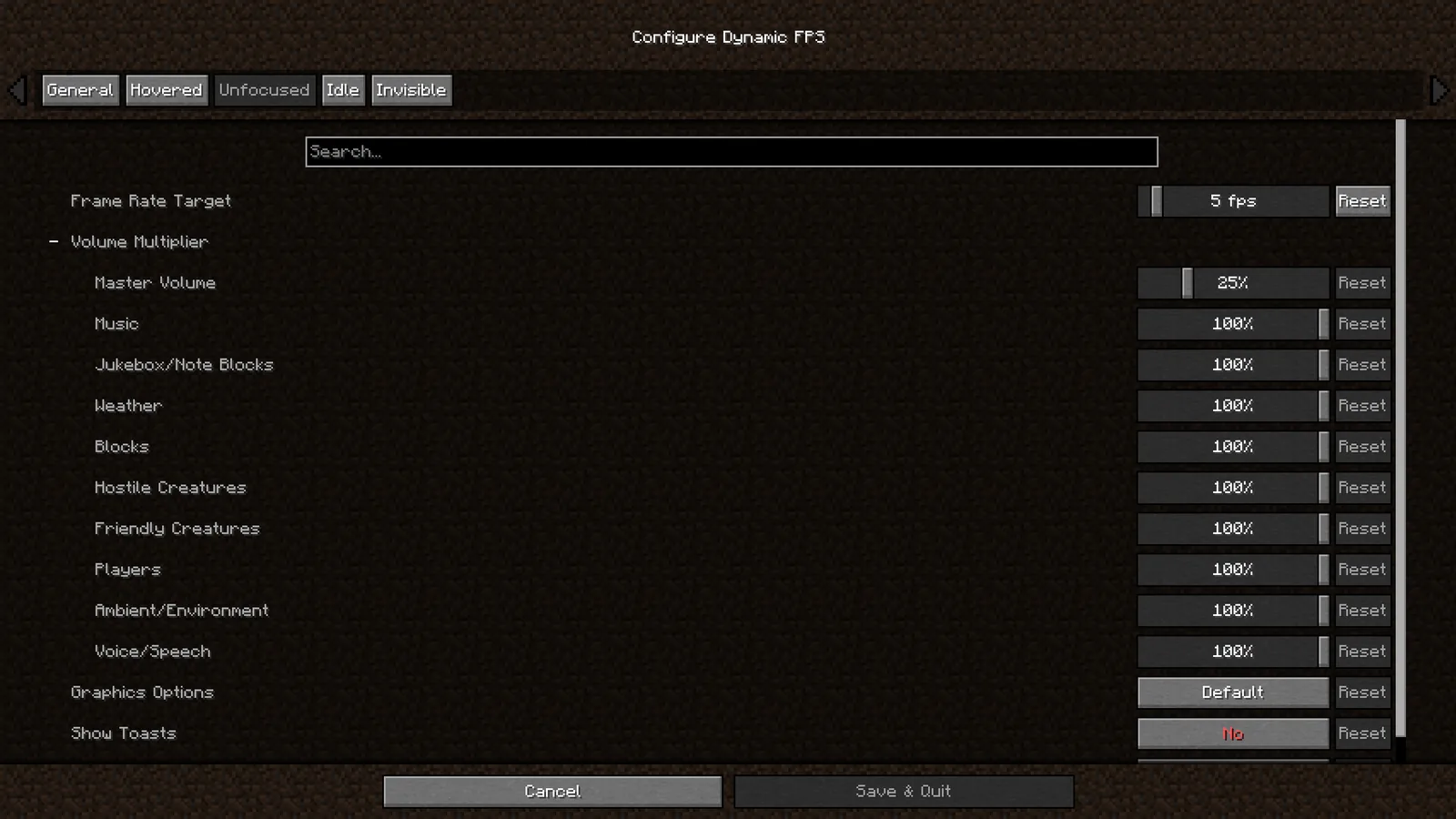
Dynamic FPS throttles the game when the window is not focused. It saves nothing while you are playing and a great deal while you are not, which on a laptop is the difference between a warm machine and a hot one.
Why these port in a day and content mods take a month
Surface area. A mod that touches rendering touches a handful of methods, and if none of them changed, the port is a version bump. A mod that adds forty blocks, twelve entities and a progression system touches hundreds, and every one of them is a chance for a breaking change.
That is the whole explanation, and it is why the same names appear at the top of every release-day list.
What to do with a day-one list
Not much, immediately. The temptation on release day is to rebuild your whole install, and the reliable way to lose a weekend is to update twenty mods at once and then find out which one broke. Building the new profile beside the old one instead is the entire trick, and the setup guide covers the profile separation in practice.
The performance layer specifically
These three are not interchangeable and they do not overlap. Connected textures, micro-optimisations and background throttling are three unrelated problems, which is why serious setups run all of them and still add a chunk renderer on top.
If you are assembling that layer from scratch, the five worth installing and what each one fixes is the shortlist, and the ordering matters more than the count.
Release day timeline, 16 June 2026
- Java 26.2 released as Chaos Cubed.
- Continuity 3.0.1 for 26.2.
- BadOptimizations 2.4.1 for 26.2.
- Dynamic FPS 3.11.8 and 3.11.9 for 26.2.
Two days later the config and recipe layer followed. Content mods took the rest of the summer, and several are still not across.
Worth remembering
A day-one port is a port, not a validation. Every one of these got follow-up releases over the following weeks, which is normal – the first build proves it loads, and the players prove it works.
What Dynamic FPS does, in detail
Minecraft renders at full speed whether or not you are looking at it. Alt-tab to a browser and the game keeps drawing frames nobody sees, at full GPU load, generating full heat.
Dynamic FPS drops the frame rate when the window loses focus and drops it further when minimised, with configurable targets for each state. On a laptop this is the difference between a fan you can ignore and one you cannot.
It also pauses rendering entirely on some platforms, which on a machine running a server and a client together frees real capacity.
Connected textures, briefly
Vanilla glass has a border drawn on every block, so a wall of glass looks like a grid. Connected textures detect neighbouring blocks of the same type and draw the border only at the edges of the whole surface.
It is one of the largest visual improvements available for the smallest cost, and it requires a resource pack that supports it – the mod provides the mechanism, not the textures.
The “direct port” honesty
BadOptimizations’ author described 2.4.1 as a direct port and said a larger update is planned but delayed by things outside Minecraft. That is worth noting because it is the normal condition of the ecosystem: almost every mod you run is maintained by one person in their spare time.
Release-day ports happen because those people care, not because anything obliges them to.
What did not ship on day one
- Sodium, which took until the 26.3 cycle to reach 0.9.2 for the newest version.
- Large content mods, several of which never crossed to 26.2 at all.
- Anything depending on a library that had not ported.
The visible speed of day one is entirely the top of the dependency chain. The bottom takes months, and the middle is where modpacks get stuck.
A final note on expectations. Release day lists circulate every cycle and they always look the same, because the same handful of mods are structurally able to port in hours. Reading one as a picture of the ecosystem’s readiness is a mistake – it is a picture of which mods have the smallest surface area. The mods that decide whether your pack works are further down and arrive weeks later, quietly, without a list.
Images: Dynamic FPS project gallery on Modrinth.