Key takeaways
- Wool stairs and slabs arrive in all sixteen colours and keep wool’s sound-dampening behaviour.
- Concrete stairs and slabs also cover all sixteen colours and can be cut on a stonecutter.
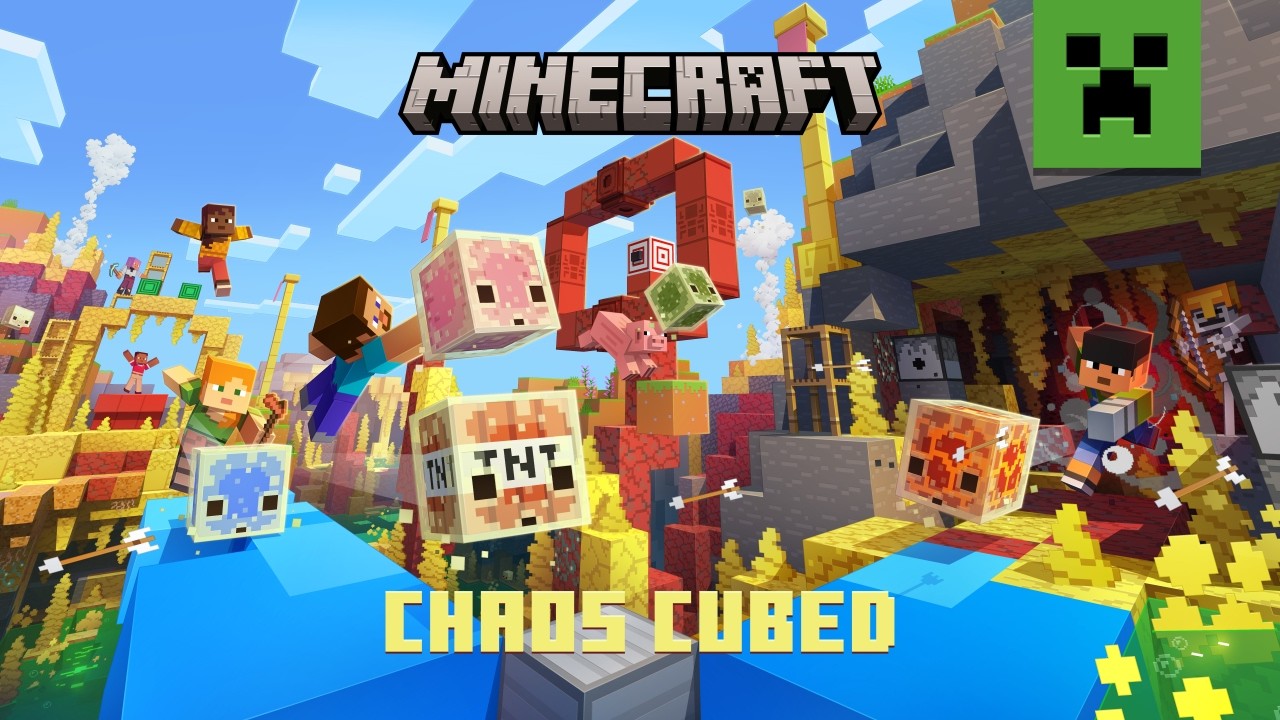
- Cushions are entities, not blocks. Sixteen colours, crafted from matching wool slabs, and you can sit on them.
Builders have been asking for wool and concrete stairs for years, for a simple reason: they were the two large colour families in the game with no shape variants at all.
Why sixteen colours of stairs is a big deal
Concrete is the game’s only truly flat, saturated material. Until now it existed as full blocks and powder, which meant any build using it had hard ninety-degree geometry and nothing else. Stairs and slabs give it roofs, trim, steps and half-height detailing.
Wool is the opposite material – soft, textured, sound-dampening – and gets the same treatment. Wool stairs keep the dampening property, which matters for anyone building around note blocks or trying to quiet a redstone room.
The stonecutter route
Concrete stairs and slabs can be made on a stonecutter, which is the efficient path: no wasted material on the three-to-six conversions the crafting grid imposes. For a build using several thousand blocks of concrete, that difference is hours of dye production.
Cushions are entities
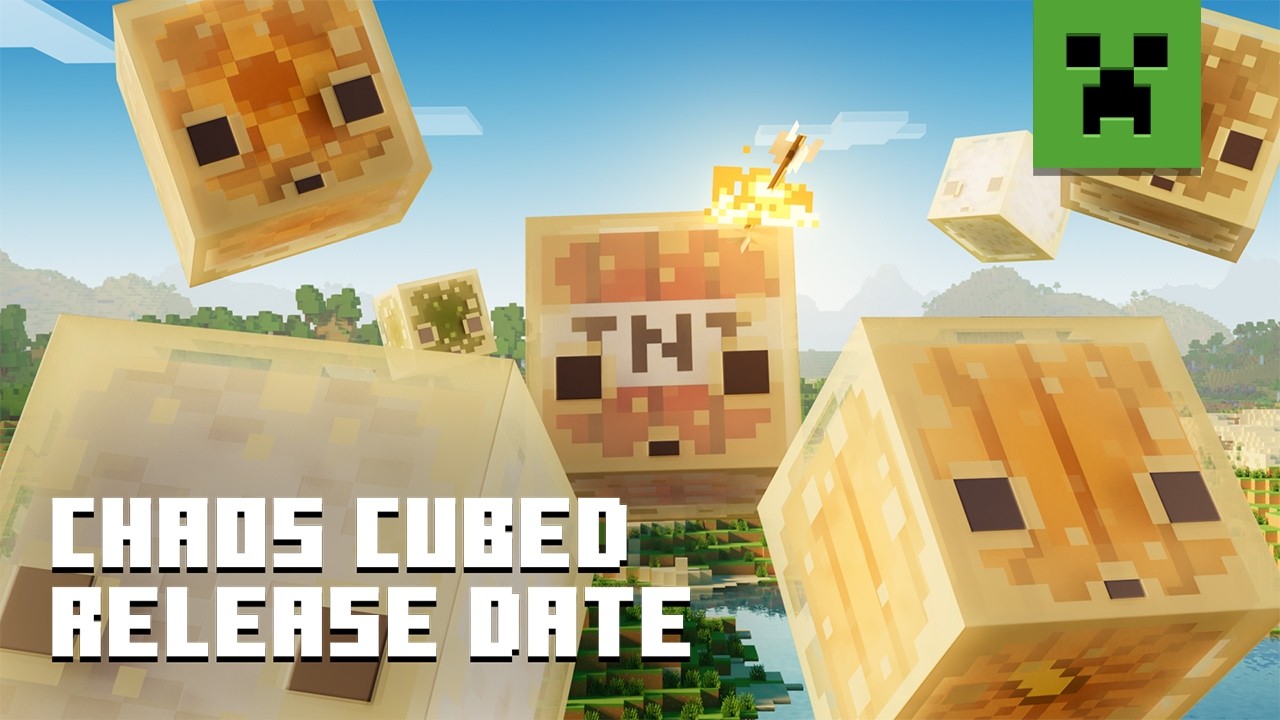
This is the detail people will trip over. A cushion is not a block. It is an entity, crafted from two matching wool slabs, stackable to sixteen in your inventory, and placed into the world where players can sit on it.
Being an entity has consequences. It does not power redstone, it does not count as a solid surface, and it behaves differently around pistons and block updates than a carpet would. For decoration that is fine. For a build that needs a specific block state under a player, it is not a substitute.
What this unlocks
Interiors, mostly. The gap between a Minecraft room and a room that looks lived in has always been furniture, and the game’s answer has been stairs, slabs and trapdoors arranged to suggest it. Adding two full colour families of stairs and slabs plus a purpose-built sitting object closes more of that gap than any decorative update since the copper set.
Our view is that cushions being entities will turn out to be the right call and will annoy people for a year. An entity can have a sitting animation and a hitbox that works; a block cannot, without the kind of special-casing that makes beds awkward. The cost is that builders have to learn a new category of thing.
Palette advice
Sixteen colours is a trap. The same restraint that applies to any palette applies harder here, because concrete’s saturation is unforgiving at scale. Two colours plus a neutral will carry a build; six will look like a toy.
Working with an entity in a build
Because cushions are entities, they do not obstruct redstone, do not update neighbouring blocks, and will not hold a player in place the way a solid block does. Placed on a slab or a stair, they sit where you put them and can be pushed by explosions.
The practical consequence for builders is that a cushion is furniture, not architecture. Use it in the places where a carpet would previously have implied a seat, and do not build a mechanism that depends on one being there.
Concrete geometry, finally
Concrete has been the game’s only genuinely flat, saturated material and has only ever existed as a full cube. Adding stairs and slabs gives it the whole vocabulary of shapes at once, and the effect on modern or graphic builds is larger than any single new block would be.
The stonecutter is the efficient route: one concrete block in, one stair out, with no crafting-grid waste. For a build measured in thousands of blocks, that is the difference between one dye farm and three.
Sound, and why wool stairs matter
Wool dampens note block sound and blocks vibration transmission. Until now, a room built for those properties had to be built from full wool cubes, which meant flat surfaces and no detailing. Wool stairs and slabs let you shape a space that still behaves acoustically the way wool does.
For anyone building near a sculk sensor – or anything in the deep dark, where vibration is the whole hazard – that combination is more than decorative. The mechanics are covered in the ancient city guide.
What builders will ask for next
The obvious remaining gaps are stairs and slabs for terracotta and glazed terracotta, and a carpet equivalent for concrete. Each drop that closes one of these gaps makes the remaining ones more conspicuous.
In the meantime, the new families change what is worth attempting – a graphic, flat-coloured build is now possible with real geometry instead of cubes. The palette discipline that follows is the same as always, and is covered in the palette guide.
Images: Mojang Studios, via the official Minecraft channel.