Key takeaways
- Warcraft esports splits into two formats: a timed dungeon competition and a small-team arena competition.
- The dungeon format is a race against a clock, which makes it far easier to broadcast than raid content.
- An MMO is structurally difficult to run as an esport, and the formats that survived are the ones that solved the spectator problem.
Massively multiplayer games are bad raw material for competition. The content is long, the systems are opaque to anyone not playing, and character power depends on gear acquired over weeks. Warcraft’s competitive scene exists because two formats found ways around those problems.
The dungeon race
The Mythic Dungeon International takes the game’s scaling dungeon system and turns it into a time trial. Teams of five run the same dungeons under the same conditions, and the fastest clear wins. Everything that makes raid content unwatchable – the length, the roster size, the slow attrition – is stripped out.
What is left is genuinely legible to a viewer. There is a timer on screen. Two teams are doing the same thing. One is ahead. You do not need to know what any ability does to follow the competition, which is a very low bar that most MMO content fails.

What the dungeon format actually tests
Route planning, above all. Teams decide in advance which enemy groups to pull, in what order, and how to chain them. A superior route can beat superior execution, and the best teams treat the planning phase as the real competition, with the run itself as the delivery of a plan settled days earlier.
That makes it closer to speedrunning than to team sport, and it shares speedrunning’s central tension: once an optimal route is found, everyone copies it, and the competition narrows to execution. Organisers manage this by rotating dungeon pools and adjusting affixes, which forces new planning work each season.
The arena side
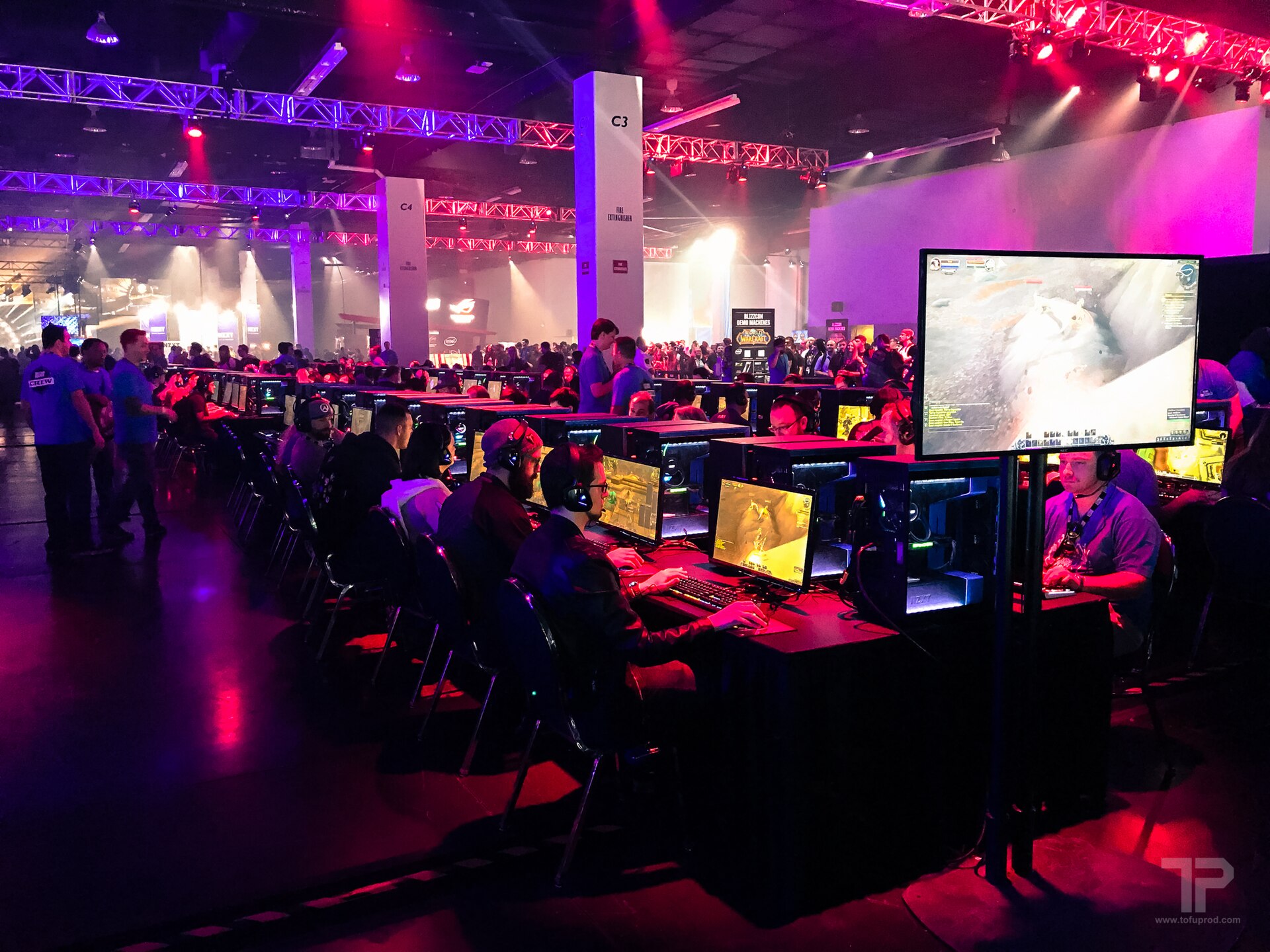
The Arena World Championship is the older format: small teams fighting each other directly, in matches short enough to broadcast. Arena has the advantage of being obviously competitive – two teams, one wins – and the disadvantage of depending heavily on class balance in a game that was never balanced around three-versus-three combat.
When a class is strong in arena, it is usually strong because of an interaction the designers introduced for a completely different reason. Competitive integrity ends up hostage to balance decisions made for raiding and open-world play, and that tension has never been fully resolved.

Why MMO esports stays small
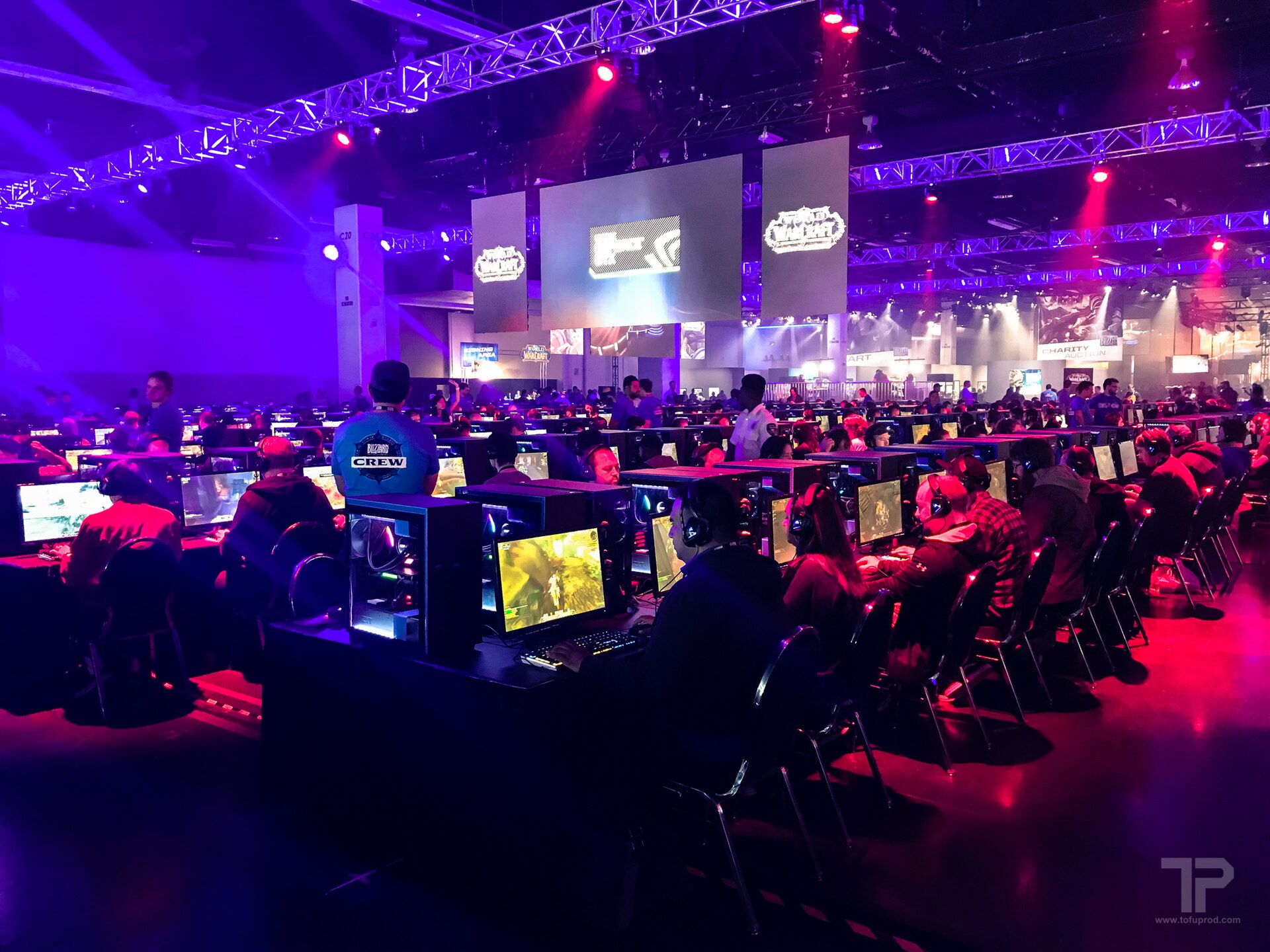
Three problems compound. Gear dependency means the playing field has to be artificially levelled for tournaments. Complexity means a new viewer cannot follow what is happening without commentary doing heavy lifting. And the game’s own audience is largely there for progression and social play rather than competition, so the natural viewership is thinner than the subscriber count suggests.
Our assessment is that the dungeon format is the more durable of the two, precisely because it borrowed its structure from outside the genre. A clock is universally readable. A three-versus-three fight between classes a viewer does not play is not. Competitive formats travel when they can be understood at a glance, which is the same reason the placement-driven scoring in competitive Fortnite is easier to follow than its early-game skirmishes.
Worth watching?
The dungeon competition is worth an hour even if you have never played the game, in the same way a speedrun is watchable without knowing the title. The arena scene rewards familiarity and will mostly confuse newcomers. Start with the timer.
For a Blizzard title that took the opposite route and built its competition around a single-player skill ceiling, see how StarCraft II kept its scene.
Why gear has to be normalised
In an MMO, character power comes from equipment accumulated over weeks. A tournament cannot allow that: whoever farmed the most before the event would win regardless of play. Organisers solve it by standardising item levels for competition, which flattens the gear axis and leaves execution as the variable.
That solution creates its own oddity – the competitive version of the game is not the version players play at home, which weakens the connection between watching and playing that other esports rely on.
Class balance as a competitive problem
Balance decisions in a game this large are made for raiding, open world play and levelling. Competitive arena is a small constituency, and changes made for the majority regularly upend it. Organisers compensate with composition rules and patch freezes, which helps and does not solve it.
What the scene does well
Production quality is high, the commentary is experienced, and the dungeon format in particular produces genuinely tense finishes. For a genre that should not work as an esport at all, the fact that a watchable competitive product exists is a real achievement, even if it will never rival the purpose-built titles.
Images: Blizzard Entertainment, via the official World of Warcraft channel; event photography via Wikimedia Commons (CC BY-SA). Official game site: worldofwarcraft.blizzard.com.